




Top Household Scissors OEM Partner Strategies
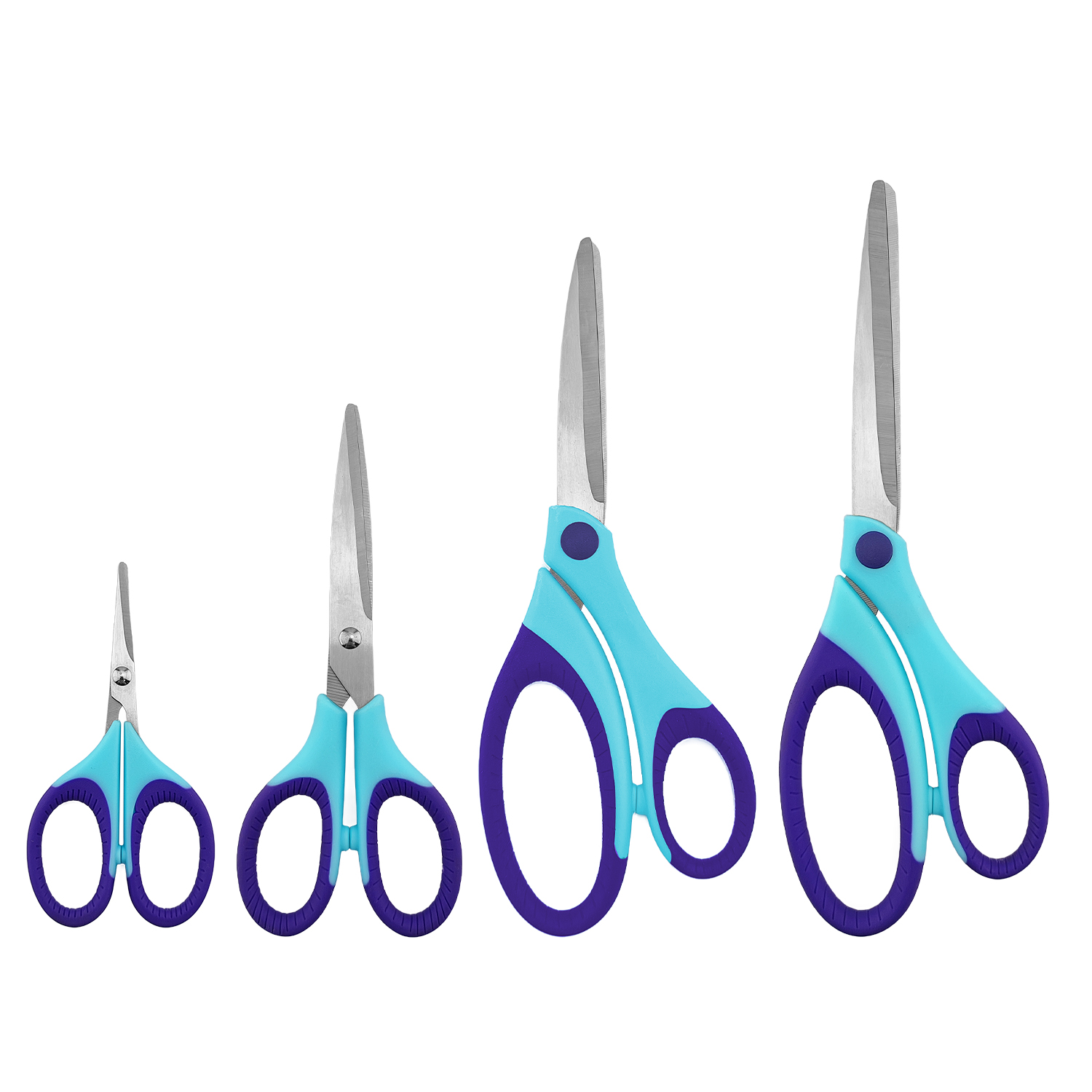
Choosing a household scissors OEM partner is not only a purchasing task. For a houseware brand, wholesaler, or private-label buyer, the supplier you choose can affect product consistency, packaging accuracy, delivery planning, and customer satisfaction. Household scissors are everyday tools, but buyers still need to confirm blade performance, handle comfort, assembly quality, and packing details before placing production orders.
This guide explains how to evaluate a scissor manufacturer or household scissors factory without relying on vague promises. It focuses on practical sourcing questions, sample review, communication, and risk control so your team can make a better supplier decision.
Key Takeaways
- Start with a clear product brief before contacting any household scissors OEM supplier.
- Ask direct questions about materials, blade processing, quality checks, packaging, lead times, and documentation.
- Review samples under realistic use conditions instead of judging only by appearance.
- Compare factories on communication, process transparency, and problem-solving, not only unit price.
- Do not assume certifications, capacities, or minimum order quantities; confirm them with the supplier in writing.
Define the Product Before You Source
Many sourcing problems begin with an unclear request. Before you ask for pricing, prepare a simple specification sheet. It should describe the intended market, scissor size, handle style, blade finish, packaging format, branding requirements, and expected order quantity range. If you have a benchmark product, share photos or physical samples and explain what should be matched or improved.
For household scissors, the use case matters. A kitchen drawer scissor, craft scissor, utility scissor, and general household scissor may require different blade shapes, grip designs, and packaging messages. A good OEM conversation starts when the buyer can explain the target user and retail channel clearly.
What to Ask a Household Scissors OEM Partner
A reliable household scissors supplier should be able to answer process-related questions clearly. Buyers do not need to know every technical detail, but they should understand how the supplier controls repeatability from sample to mass production.
- What blade materials and handle materials are available, and which are commonly used for the target product level?
- How are blade sharpness, alignment, opening and closing action, and handle assembly checked?
- Can the supplier provide pre-production samples before bulk manufacturing?
- What packaging options are available, and who checks barcode, artwork, and carton information?
- What lead time, payment terms, MOQ, and shipping support apply to this project?
- Are factory audits, third-party inspections, or buyer-specific tests possible if required?
These questions help separate general trading responses from manufacturers that understand OEM development and production control.
Factory, Trader, or Hybrid Supplier?
The original article correctly highlights the value of working directly with a household scissors factory. Direct factory communication can reduce misunderstandings and make design changes easier. However, the best choice depends on your team, order size, and quality requirements. Some buyers prefer a factory relationship for long-term private-label programs, while others may use a sourcing company when they need broader product consolidation.
| Supplier Type | Best For | Questions to Confirm |
|---|---|---|
| Direct factory | OEM development, repeat orders, tighter process communication | Can you show production steps, QC checkpoints, sample policy, and packaging workflow? |
| Trading company | Mixed houseware orders, smaller sourcing teams, product bundling | Which factory makes the scissors, and how is quality controlled before shipment? |
| Hybrid supplier | Buyers needing both manufacturing access and export coordination | Which processes are in-house, and which are outsourced? |
| Unknown intermediary | Usually risky for custom programs | Can you identify the production source and support inspections? |
How to Evaluate Scissor Samples
Samples should be reviewed like a preview of mass production, not as a gift from the supplier. Check the product under the conditions your customers will experience. Open and close the scissors repeatedly. Cut common household materials appropriate to the product positioning, such as paper, thin packaging, or light kitchen packaging if that is the intended use. Look for blade crossing, loose screws, rough handle edges, uneven coating, or uncomfortable grip pressure.
Packaging deserves the same attention. Confirm that the logo, color, barcode, warning text, and carton marks match your requirements. If the product will be sold online, request images or measurements that help your team understand shipping durability and presentation.
Quality Control Points Buyers Should Discuss
Quality control should be discussed before the order is placed. Ask the scissor manufacturer how inspection is handled during incoming material checks, in-process production, assembly, and final packing. Buyers should also clarify acceptable defect definitions. For example, a minor surface mark may be treated differently from a blade alignment problem that affects cutting performance.
If your market requires specific compliance documents or testing, do not assume they are available. Ask the supplier which documents they can provide, whether third-party testing is needed, and who will pay for it. Keep written records of agreed standards, approved samples, packaging files, and inspection criteria.
Communication and Project Management
OEM sourcing depends heavily on communication. A strong supplier does not simply quote a low price; it asks clarifying questions, flags risks, and confirms details before production. During early discussions, notice whether the supplier responds consistently, understands drawings or photos, and gives realistic answers about tooling, packaging, and delivery timing.
Before confirming an order, create a shared checklist covering the approved sample, artwork version, carton details, production schedule, inspection plan, and shipment documents. This reduces the chance of late-stage disputes and helps both sides work from the same information.
Final Supplier Decision Checklist
- Product brief is complete and understood by the supplier.
- Samples are reviewed for cutting performance, comfort, finish, and assembly.
- Material, packaging, lead time, MOQ, and payment details are confirmed in writing.
- Quality control process and inspection expectations are documented.
- Supplier communication is clear, timely, and specific.
- Any required testing, compliance documents, or audits are discussed before production.
FAQ
What is a household scissors OEM partner?
A household scissors OEM partner manufactures scissors for another company’s brand or product line. The buyer usually provides branding, packaging requirements, and product expectations, while the supplier supports production and related development steps.
Is it better to work directly with a household scissors factory?
Direct factory sourcing can improve communication, pricing transparency, and control over samples and production. However, buyers should still verify factory capability, quality systems, export experience, and willingness to support inspections.
What should I check in a scissors sample?
Check cutting performance, blade alignment, opening and closing smoothness, handle comfort, surface finish, screw tightness, packaging accuracy, and whether the sample matches your written specification.
Should I ask about MOQ and lead time early?
Yes. MOQ, lead time, payment terms, and sample timing can determine whether a supplier fits your project. Ask these questions early, but confirm the final details in writing before production.
Can a supplier guarantee compliance for my market?
Do not assume compliance. Tell the supplier your target market and ask what documents, test reports, or third-party testing options are available. Confirm responsibilities and costs before placing an order.
