




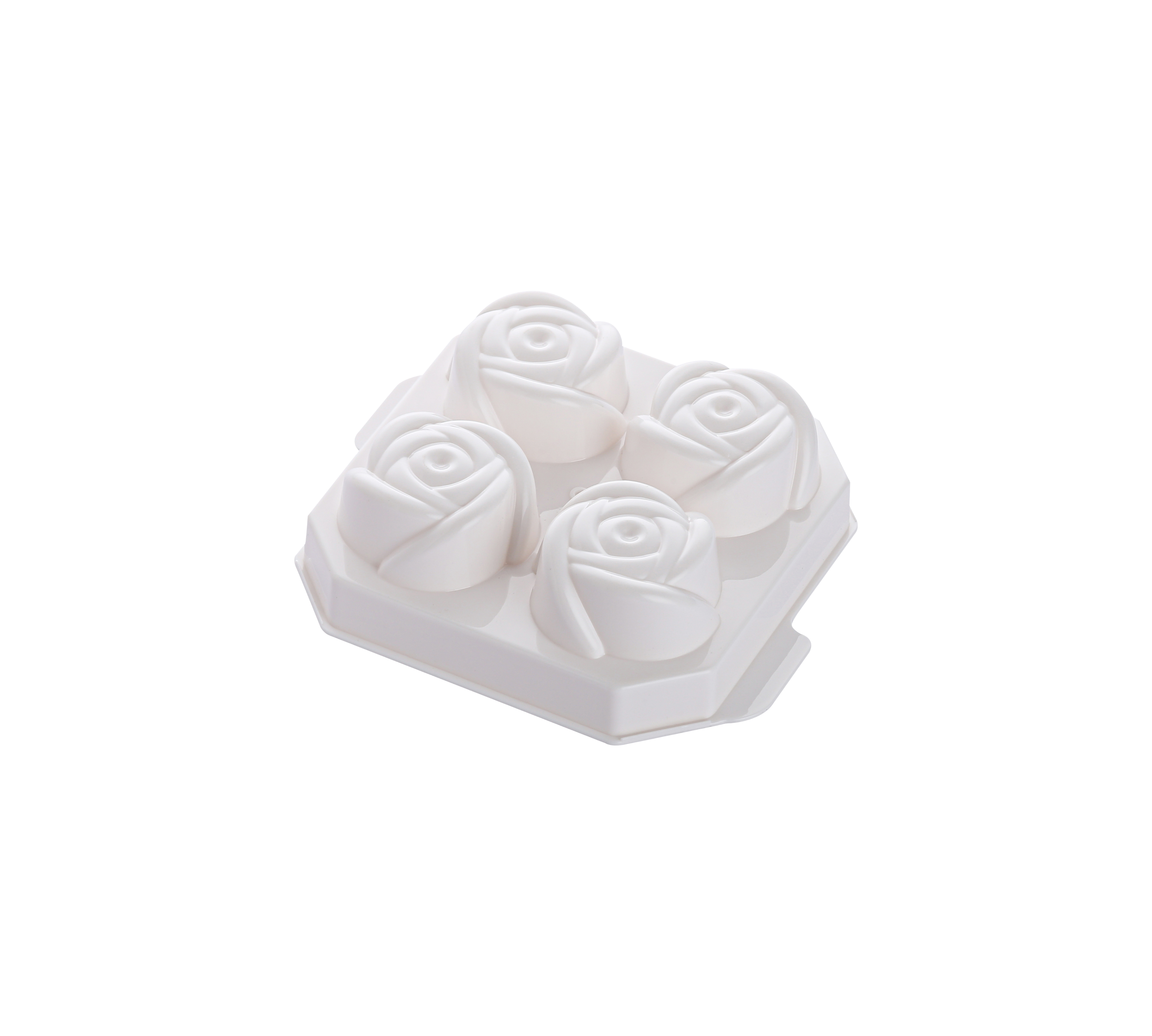
Top Ice Tray Manufacturer: Quality Silicone Ice Trays
Choosing an ice tray manufacturer is not only about finding a mold that freezes water. For retailers, hospitality suppliers, promotional product buyers and private-label brands, the right silicone ice tray can affect customer reviews, repeat orders, packaging presentation and after-sales issues. The original product described here is a silicone ice ball maker with a distinctive hexagonal exterior design and a mold intended to create spherical ice balls. That combination makes it relevant for bars, home entertaining, gifting and beverage accessory assortments.
This guide explains how to evaluate a supplier for silicone ice trays and ice ball makers without relying on vague claims. It covers product details to verify, sample testing, packaging questions and how to compare offers from different factories or trading partners.
Key Takeaways
- A good sourcing process starts with confirmed material, dimensions, sample performance and packaging requirements.
- Silicone ice trays should be judged on usability as well as appearance, including filling, freezing, release and cleaning.
- For B2B orders, ask clear questions about customization, lead time, labeling, carton packing and quality control before confirming an order.
- Do not rely only on product photos; test samples with real water, freezer conditions and repeated use.
Understanding the Product: Silicone Ice Ball Maker
The featured product is positioned as an ice ball maker rather than a standard cube tray. Its hexagonal outer form gives it a more distinctive look than a basic rectangular tray, while the mold is designed to form spherical ice. Ice balls are popular for whiskey, cocktails, cold brew coffee, juices and premium beverage service because a larger ice form generally melts more slowly than many small cubes. This can help reduce quick dilution when compared with small pieces of ice.
The original description also states that the item is made from durable, food-grade materials. For buyers, that statement should be treated as a specification to confirm through supplier documentation and sample evaluation. If you are purchasing for wholesale, retail or private label, request the exact material description, any available test reports and the market for which those reports are intended.
Why Ice Ball Trays Appeal to Retail and Hospitality Buyers
Silicone ice trays are simple products, but they serve several different buying purposes. Retailers may sell them as kitchen accessories, barware add-ons or giftable items. Hospitality distributors may include them in bar supply catalogs. E-commerce sellers may position them for cocktail preparation, home bars and seasonal entertaining. A hexagonal ice ball maker can also stand out visually in product photography because its shape is less common than a conventional tray.
For business buyers, the main question is whether the product can deliver a consistent user experience. Customers expect the tray to be easy to fill, stable enough to move to the freezer, simple to release and practical to clean. If the ice balls crack, release poorly or require excessive force, the product may create complaints even if it looks attractive online.
Supplier Evaluation Checklist
Before placing a wholesale or OEM inquiry, prepare a structured checklist. This helps you compare suppliers fairly and prevents important details from being buried in chat messages.
| Check Item | What to Ask the Supplier | Why It Matters |
|---|---|---|
| Material | What is the exact material, and can food-contact documentation be provided? | Supports responsible product selection for the target market. |
| Ice Shape | What size and shape of ice ball does the mold produce? | Helps align product photos, listing copy and customer expectations. |
| Sample Performance | Can samples be tested before bulk order confirmation? | Verifies filling, freezing, release and cleaning in real use. |
| Packaging | What packaging options are available for retail, wholesale or private label? | Affects shelf presentation, shipping protection and barcode planning. |
| Customization | Can color, logo, insert card or carton marks be customized? | Important for brand programs and channel differentiation. |
| Quality Control | What inspections are performed before shipment? | Reduces the risk of inconsistent molds, defects or packing errors. |
How to Test a Silicone Ice Tray Sample
Sample testing should be practical and repeatable. Do not only inspect the tray on a desk. Use it the way an end customer would use it. Fill the mold to the recommended level, place it in a freezer, remove the ice after full freezing and observe how easily the spherical ice releases. Check whether the ice shape matches the product listing concept and whether the tray remains comfortable to handle after freezing.
- Inspect the sample for visible defects, odor, dust, uneven edges or deformation.
- Fill the mold with water and check whether the tray is stable when carried.
- Freeze it under normal household freezer conditions.
- Release the ice and note the force required.
- Repeat the process several times to look for changes in fit, flexibility or appearance.
- Wash and dry the tray according to the supplier’s care guidance, then inspect again.
If you plan to sell the product online, take your own sample photos during testing. This can reveal whether the actual ice ball appearance is consistent enough for accurate marketing.
OEM, Wholesale and Packaging Questions to Ask
When sourcing from an ice tray manufacturer or supplier, commercial details should be confirmed in writing. Avoid assumptions about minimum order quantity, production time, testing, labeling or export packing. These details can vary by supplier and order type.
Useful questions include: What is the MOQ for standard stock and for customized versions? Which colors are available without custom production? Can the supplier provide a packaging dieline for artwork? Are instruction inserts available? How are pieces packed per inner box and master carton? What is the estimated lead time after artwork and sample approval? Can pre-shipment inspection be arranged? Which documents can be provided for the destination market?
For private-label programs, also ask whether the supplier can keep packaging language neutral, add your barcode, apply carton shipping marks and separate production batches by SKU. These details are often as important as the product mold itself.
Product Selection Guidance for Different Channels
Different sales channels may need different priorities. A gift shop may care most about presentation and shelf appeal. A barware distributor may care about durability, easy release and consistent ice size. An e-commerce seller may need compact packaging, clear instructions and strong product photography. A promotional buyer may need logo options, delivery reliability and predictable carton quantities.
The hexagonal design described in the original article can help differentiate the item, but it should not be the only reason to buy. Confirm whether the design improves handling, storage or presentation. Also check whether the tray fits common freezer spaces and whether the packaging explains how to achieve the best ice ball result.
Care and Use Points to Communicate to Customers
Clear use instructions can reduce returns. Customers should understand not to overfill the mold, to allow enough freezing time and to release the ice gently. If the supplier provides specific cleaning or temperature guidance, use that wording in your packaging or listing. Avoid adding unsupported claims such as dishwasher safety, extreme temperature resistance or certification statements unless the supplier has confirmed them with appropriate documentation.
Simple customer-facing guidance may include filling to the indicated level, placing the tray on a flat freezer surface, waiting until fully frozen and rinsing or flexing lightly to release the ice. If beverage clarity matters, customers can experiment with water type and freezing method, but avoid promising perfectly clear ice unless that result is proven by the product design.
FAQ
What should I verify before choosing an ice tray manufacturer?
Verify the material description, sample quality, ice shape, packaging options, customization process, lead time and inspection procedure. Ask for documents relevant to your target market instead of relying on general claims.
Are silicone ice ball makers better than cube trays?
They serve a different purpose. Ice balls are often chosen for slower dilution and a premium beverage presentation, while cube trays may be better for everyday volume and fast chilling.
Can I order customized packaging for wholesale ice trays?
Many suppliers offer packaging options, but details vary. Ask about artwork requirements, dielines, barcode placement, instruction inserts, carton marks and any MOQ for custom packaging.
How should I evaluate a sample?
Test it through several freeze-and-release cycles. Check ease of filling, freezer stability, release performance, odor, cleaning and whether the finished ice matches the expected shape.
What claims should I avoid in my product listing?
Avoid unsupported claims about certifications, temperature ranges, dishwasher safety, exact material grade, test results or compliance. Use only claims confirmed by supplier documents and your own sample review.
