




Kids Scissors Manufacturer: Safety, Design, and Sourcing Guide
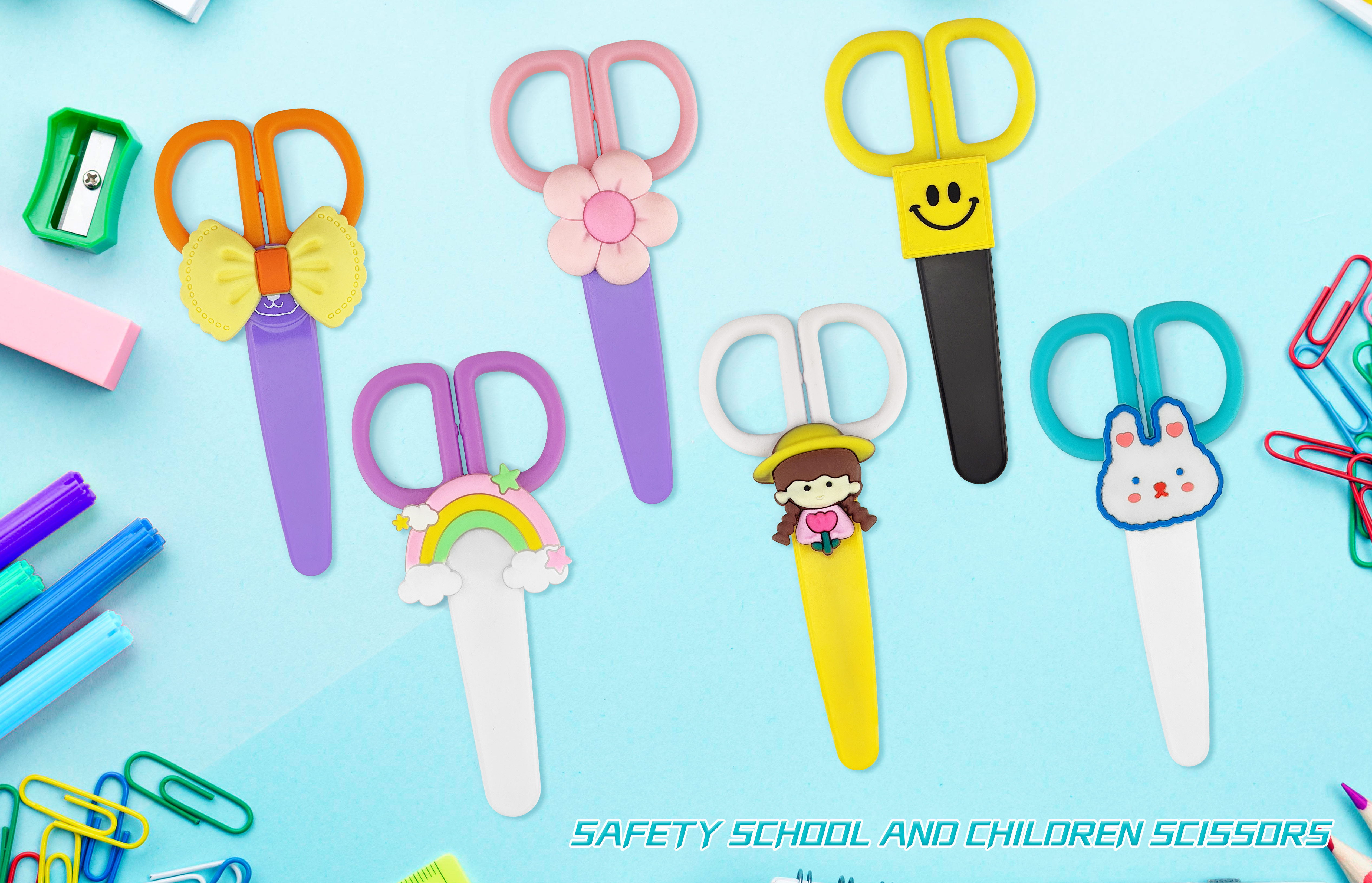
Choosing a kids scissors manufacturer is not only about finding a colorful school supply. For importers, wholesalers, school distributors, and private-label buyers, the right product must balance child-friendly handling, reliable cutting performance, packaging clarity, and repeatable production quality. The original product concept highlights several buyer-relevant features: cheerful color options such as yellow, purple, white, and teal, protective blade covers, blunt tips, plastic handles, and designs including rainbow and bunny themes. These details make the product suitable for children’s paper-cutting, craft lessons, and home art activities when used with adult guidance.
This guide explains how to evaluate children’s safety scissors from a B2B sourcing perspective. It does not replace compliance testing or supplier due diligence, but it will help buyers prepare clearer RFQs, compare samples, and ask practical questions before placing an order.
Key Takeaways
- Kids scissors should be reviewed for safe handling, not just appearance.
- Useful design details include blunt tips, protective covers, comfortable plastic handles, and child-friendly colors.
- OEM projects should define artwork, handle shape, packaging, labeling, and sample approval steps early.
- Buyers should ask suppliers about applicable safety standards, test documentation, inspection options, and packaging durability.
- Samples should be checked by adults for paper-cutting performance, grip comfort, cover fit, and consistency across colors.
What Makes a Good Kids Scissors Manufacturer?
A dependable supplier of kids scissors should understand the difference between general stationery and children’s school tools. Children’s scissors are often used in classrooms, craft kits, and retail back-to-school programs, where safety expectations are high and product consistency matters. Buyers should look for a manufacturer or supplier that can explain how the product is designed for small hands, how blade covers are packed, and how blunt-tip designs are controlled during production.
Instead of relying on broad claims, ask for specific information. Can the supplier provide pre-production samples? Are multiple colors available in one assortment? Can the packaging be adapted for retail display, classroom bulk packs, or OEM branding? What inspection process is used before shipment? Clear answers help reduce misunderstandings and make it easier to compare offers from different factories.
Safety Features Buyers Should Review
The source product description mentions protective blade covers and blunt tips, two important features for children’s scissors. A cover helps protect the blade area during storage and transport, while blunt tips reduce the risk associated with accidental poking. However, buyers should still verify how these features perform in actual samples.
When reviewing samples, check whether the cover fits securely but can still be removed by the intended user group with appropriate supervision. Inspect the tips for smoothness and consistency. Confirm that the scissors cut paper efficiently without requiring excessive force, because dull or poorly aligned blades can cause children to twist their hands or use unsafe pressure. If the product is intended for a regulated market, ask the supplier which safety standards may apply and whether third-party testing is available for the order.
Design, Color, and Ergonomics for School Use
Color and design are not minor details in the school supply category. Bright options such as yellow, purple, white, and teal can make the product easier to sort in classrooms and more appealing for retail displays. Decorative ideas such as rainbow or bunny designs may also support themed craft kits or seasonal promotions. For OEM kids scissors, these elements should be defined clearly in the design brief.
The original article also refers to ergonomic handles tailored for small hands and plastic handle scissors for kids. From a buyer’s perspective, the handle should be comfortable, easy to grip, and suitable for repeated cutting tasks such as paper crafts. If you serve both left-handed and right-handed users, ask whether the design is symmetrical or whether a specific left-handed option is available. Do not assume this feature unless it is confirmed in the specification.
Comparison Checklist for Sourcing Kids Safety Scissors
| Checklist Item | Why It Matters | Questions to Ask the Supplier |
|---|---|---|
| Blunt tips | Supports safer classroom and home craft use. | How is tip smoothness checked during production? |
| Protective blade cover | Helps protect the blade area during storage and transport. | Is the cover included with every pair, and how is fit tested? |
| Handle material and shape | Affects comfort, grip, and usability for small hands. | Can you provide samples for grip and cutting evaluation? |
| Color assortment | Useful for retail display, classroom grouping, and OEM themes. | Which colors are standard, and can assortments be customized? |
| Cutting performance | Children need smooth paper cutting without excessive force. | What material is the product designed to cut, and what should it not cut? |
| Packaging | Impacts retail presentation, shipping protection, and labeling. | Can packaging be customized, and what labeling information is required? |
| Compliance support | Different markets may require different documentation. | Which test reports or compliance documents can be provided for this order? |
OEM Kids Scissors: What to Define Before Production
OEM children’s scissors projects can include private-label packaging, color combinations, decorative artwork, handle styling, and carton requirements. To keep the project efficient, buyers should prepare a written specification before requesting a quotation. The specification does not need to be complex, but it should remove guesswork.
- Define the target user age range and sales channel.
- Confirm the intended use, such as cutting paper for school or craft activities.
- List preferred colors, design themes, and whether rainbow or animal-style artwork is needed.
- Specify packaging type, barcode needs, warning text, and language requirements.
- Ask for sample timing, approval steps, and whether changes affect cost or lead time.
- Request details about inspection, carton packing, and shipping marks.
Commercial details such as MOQ, unit pricing, tooling fees, and production lead time should be confirmed directly with the supplier. Avoid assuming that a design shown in a product photo is automatically available for all packaging formats or markets.
Sample Evaluation Tips for Wholesalers and Distributors
Before placing a bulk order, request samples that represent the final material, color, handle design, blade cover, and packaging. Evaluate more than one pair, especially if ordering an assortment. A simple sample review can prevent common problems such as loose covers, inconsistent colors, uncomfortable handles, or scissors that cut unevenly.
For classroom or retail programs, involve the adults who understand the use environment: teachers, sourcing managers, merchandisers, or quality inspectors. Children’s products should be assessed carefully and used under appropriate supervision. Samples should be reviewed for smooth opening and closing, clean paper cuts, absence of sharp plastic edges, and packaging that keeps the cover and scissors together during shipment.
Packaging and Labeling Considerations
Packaging for school scissors has to do more than look attractive. It should protect the product, communicate the intended use, and support the buyer’s retail or distribution process. For retail, buyers may need hanging cards, blister packaging, or branded display-ready formats. For school supply kits, bulk or simple packaging may be more practical. Ask the supplier which options are available and what artwork files are required.
Labeling should be treated carefully. Requirements can vary by destination market and sales channel. Buyers should ask whether the supplier can support required warnings, language versions, importer information, barcodes, and carton labels. If compliance marks or age statements are needed, confirm them through qualified testing or legal review rather than relying only on marketing copy.
Practical FAQ
Are kids safety scissors completely risk-free?
No. Blunt tips and protective covers can reduce certain risks, but scissors are still cutting tools. They should be selected for the intended age group and used with suitable adult supervision.
What materials can children’s scissors cut?
The original product description refers to cutting paper. Buyers should ask the supplier to confirm intended cutting materials and limitations before marketing the product for other uses.
Can colors and designs be customized for OEM orders?
Often, OEM projects can involve custom colors, packaging, or decorative designs, but availability depends on the supplier’s process. Confirm artwork requirements, sample fees, MOQ, and lead time before approval.
What should I ask a school scissors supplier before ordering?
Ask about sample availability, blunt-tip consistency, blade cover fit, packaging options, applicable safety documents, inspection procedures, carton packing, MOQ, pricing, and production lead time.
How should buyers compare multiple manufacturers?
Compare final samples, not just catalog photos. Review cutting performance, handle comfort, cover security, packaging quality, communication speed, documentation support, and the supplier’s ability to follow written specifications.
Final Sourcing Advice
A strong kids scissors sourcing decision starts with a clear product brief and a careful sample review. Features such as blunt tips, protective covers, plastic handles, bright colors, and child-friendly designs can make scissors more suitable for school and craft use, but buyers still need to verify quality and compliance for their market. When speaking with a kids scissors manufacturer, ask precise questions, document every specification, and approve final samples before mass production. This approach helps wholesalers, school supply distributors, and OEM buyers source children’s scissors with fewer surprises and better long-term consistency.
