




Top Kitchenware Supplier Guide: Choosing the Right Grater Set
Finding the right kitchenware supplier is not just about locating a product that looks good in a catalog. For retailers, distributors, hospitality buyers, and private-label teams, the right supplier should help you source practical tools that customers can understand, use safely, clean easily, and reorder with confidence. A stainless steel grater or multi-blade grater set is a good example: it is a familiar kitchen tool, but the details of blade type, handle comfort, packaging, after-sales support, and quality consistency can strongly affect customer satisfaction.
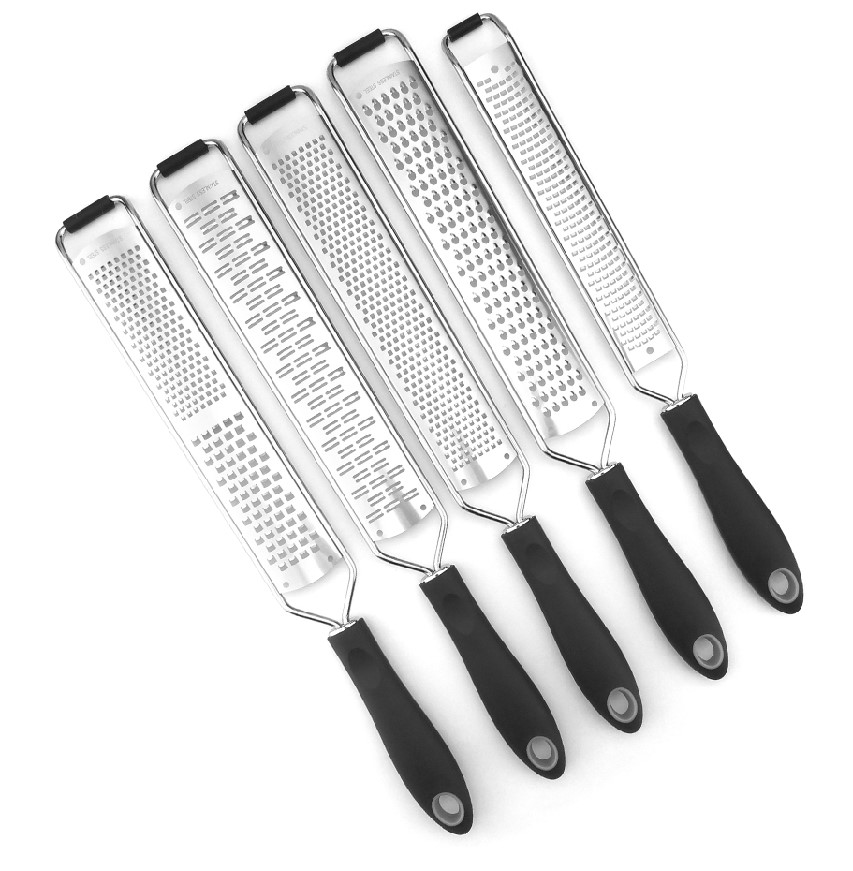
This guide explains how to evaluate a kitchenware supplier when your focus is a grater, zester, slicer, or grater set. It also preserves the key product idea from the original article: a stainless steel grater designed for everyday ingredients such as cheese, vegetables, lemon zest, and potatoes, plus a six-blade grater set with different cutting options.
What Buyers Should Expect From a Kitchenware Supplier
A reliable kitchenware supplier should make sourcing easier, not more confusing. Before discussing price, buyers should request clear information about the product range, available materials, blade styles, packaging choices, and order process. If you are sourcing for wholesale, retail shelves, online stores, or foodservice channels, ask whether the supplier can provide consistent product descriptions and photos, carton information, spare parts availability, and documentation relevant to your market.
A good supplier should also be willing to answer practical questions. What is the standard lead time? What is the minimum order quantity? Are samples available? Can packaging be adjusted for different sales channels? Are barcodes, instruction inserts, or multilingual care notes possible? These questions help you compare suppliers fairly without relying on vague claims.
Why Stainless Steel Graters Remain a Core Kitchen Tool
Stainless steel graters are popular because they handle many common food preparation tasks. Home cooks and professional kitchens use them for grating cheese, preparing vegetables, zesting lemon, and shredding potatoes for dishes such as hash browns. For buyers, this broad usefulness makes a grater easy to position in a kitchen tool assortment.
When assessing a stainless steel grater, look closely at the working surface and how the tool will be held during use. A grater should feel stable on a cutting board, bowl, or plate. The cutting pattern should match the intended task: fine grating for zest or hard cheese, coarser grating for vegetables, and slicing options for faster prep. If the supplier describes the grater as ergonomic, request samples and have staff test the grip, wrist angle, and control during longer preparation tasks.
Understanding a Six-Blade Grater Set
The original article describes a multifunctional grater set with six different blades. This type of set can be useful for customers who want one compact tool system for several preparation methods. The named blade functions include: Blade A for ultra-fine grating, Blade B for coarse grating, Blade C for slicing, Blade D for fine grating, Blade E for ribbon grating, and Blade F for multi-purpose medium grating.
For B2B buyers, the key is to confirm that each blade has a clear purpose and that the retail packaging explains those purposes simply. A grater set with many parts can create value, but it can also lead to complaints if customers do not understand which blade to use, how to change blades, or how to clean the set safely.
Supplier Comparison and Product Checklist
Use the checklist below when comparing a kitchen gadget supplier for graters or grater sets. It helps purchasing teams look beyond a single unit price and focus on the full sourcing picture.
| Evaluation Area | What to Check | Questions to Ask the Supplier |
|---|---|---|
| Product function | Blade options for zesting, coarse grating, slicing, fine grating, ribbon grating, and medium grating | Can you provide samples of each blade type for testing with cheese, vegetables, lemon zest, and potatoes? |
| Material information | Stainless steel components and any other visible materials | What materials are used in the blade, handle, frame, and storage parts? |
| User experience | Grip comfort, stability, blade-changing method, and cleaning access | Do you have instructions or safety guidance for consumers? |
| Packaging | Retail box, online shipping protection, instruction insert, and labeling options | Can packaging be adapted for wholesale, e-commerce, or private-label sales? |
| Commercial terms | MOQ, sample cost, lead time, payment terms, and reorder process | What are the current terms for trial orders and repeat orders? |
| Quality control | Inspection steps, appearance checks, blade consistency, and carton handling | What quality checks are performed before shipment? |
How to Select the Right Grater for Your Sales Channel
Different channels need different product decisions. A single stainless steel grater may suit basic retail assortments, grocery promotions, or hospitality back-of-house use. A multi-blade grater set may fit online bundles, giftable kitchen ranges, or retailers that want a higher perceived value item with multiple functions.
- For supermarkets: prioritize simple packaging, clear use cases, and a price point that matches everyday kitchen tools.
- For online stores: request strong product images, accurate blade descriptions, and packaging that can survive parcel delivery.
- For hospitality or catering: test comfort, cleaning speed, and durability under repeated use before placing a larger order.
- For private label: confirm artwork requirements, packaging lead time, labeling responsibilities, and whether the supplier can support consistent reorders.
Use and Care Guidance to Reduce Returns
Even well-made kitchen tools can receive poor reviews when customers are not guided properly. Include concise use and care information with the product. Customers should choose the blade that fits the ingredient, apply steady pressure instead of forcing the food, and keep fingers away from the cutting surface. If a grater set includes removable blades, the instructions should explain how to insert, remove, wash, and store them.
Cleaning advice should be practical. Many users rinse graters immediately after use because cheese, citrus zest, or potato starch can dry into the cutting holes. Buyers should ask the supplier what cleaning methods are recommended for the specific product and whether any parts should be washed by hand. Avoid adding dishwasher or corrosion claims unless the supplier can support them for the exact model.
Key Takeaways
- A kitchenware supplier should be evaluated on product clarity, samples, packaging, quality control, and commercial terms, not price alone.
- Stainless steel graters are versatile tools for cheese, vegetables, lemon zest, and potatoes.
- A six-blade grater set can offer ultra-fine, coarse, slicing, fine, ribbon, and medium grating functions, but the packaging must explain them clearly.
- Buyers should ask direct questions about MOQ, lead time, materials, instructions, and inspection steps before committing to bulk orders.
Practical FAQ for Grater Set Sourcing
What should I test before ordering a grater set in bulk?
Test each blade with the ingredients your customers are likely to use, such as cheese, carrots, citrus peel, and potatoes. Also check the handle comfort, blade-changing process, cleaning access, and packaging strength.
Is a six-blade grater set better than a single grater?
It depends on your channel. A single grater is easier to explain and may suit basic assortments. A six-blade set offers more functions and can work well where customers value versatility, but it needs clear instructions.
What supplier details should a B2B buyer confirm?
Ask about minimum order quantity, sample availability, current lead time, packaging options, material details, quality inspection process, and reorder procedures. If you need private-label support, confirm artwork and labeling requirements early.
Can I claim special features in my product listing?
Only claim features that are accurate for the exact product you purchase and that your supplier can support. Avoid unsupported claims about material grade, testing, certifications, dishwasher safety, or performance results.
