




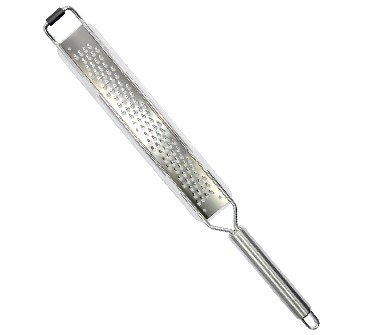
Top Kitchen Utensil Supplier: How to Source Quality Stainless Steel Graters
Choosing a kitchen utensil supplier is not only about finding a catalog with attractive products. For importers, wholesalers, retailers, hospitality buyers and private-label brands, the right supplier should help you select practical tools, ask the right technical questions and reduce avoidable sourcing risks. Stainless steel graters are a good example: they look simple, but blade type, handle design, finish, packaging and consistency can all affect customer satisfaction.
This guide explains how to evaluate a kitchen gadget supplier when sourcing graters and related tools. It focuses on useful selection criteria rather than broad claims, so buyers can build a clearer request for quotation and compare suppliers more fairly.
Key Takeaways
- Match the grater type to the foods your customers prepare most often, such as cheese, vegetables, citrus zest or spices.
- Ask suppliers specific questions about material, blade sharpness, handle design, packaging, labeling and quality checks.
- Do not judge a kitchen utensil supplier by price alone; consistency, communication and order support matter in B2B sourcing.
- Request samples before placing a larger wholesale or OEM order, especially when comparing blade styles and handle comfort.
What Buyers Should Look for in a Kitchen Utensil Supplier
A reliable kitchen utensil supplier should make product comparison easier. Instead of only providing a list of items, the supplier should be able to explain available versions, common use cases and options for bulk orders. For stainless steel graters, ask whether the supplier offers different blade patterns, handle designs and packaging formats. If you need OEM or private-label service, confirm what information they require from you before quoting.
Good sourcing starts with clear questions. Buyers should ask about available materials, surface finish, product dimensions, packing method, carton details, lead time, sample availability and whether the supplier can support custom branding. If certifications, compliance documents or test reports are important for your market, request current documents directly and verify that they apply to the exact product you are buying.
Understanding Stainless Steel Graters
A stainless steel grater is a versatile kitchen tool used for preparing cheese, vegetables, citrus peel, chocolate, ginger, garlic and spices. The original product information highlights stainless steel construction, rust resistance, durable use, sharp performance and ergonomic handle design. These are important buying points, but they should still be checked with a physical sample because comfort and cutting performance are difficult to judge from photos alone.
For retail buyers, the grater must feel safe, stable and easy to clean. For foodservice or commercial buyers, repeated use and efficient preparation may be more important. For e-commerce sellers, packaging strength and clear product descriptions can reduce customer complaints. Understanding the final sales channel helps you choose the most suitable grater instead of selecting the cheapest option.
Blade Types and Best Uses
Different blade patterns create different textures. A supplier that offers several grater styles gives buyers more flexibility when building a product line. The original article mentions fine graters for citrus zest, coarse graters for carrots, large graters for soft cheese, slicing blades for vegetables and ultra-fine graters for spices such as nutmeg. These options can serve different customer segments and price points.
| Grater or blade type | Common use | Buyer checklist |
|---|---|---|
| Fine grater | Citrus zest, hard cheese, garlic or ginger | Check tooth sharpness, clogging and cleaning ease |
| Coarse grater | Carrots, zucchini, apples or firm cheese | Check stability, output texture and hand clearance |
| Large grater | Soft cheese or larger-volume preparation | Ask about blade area, handle grip and storage options |
| Slicing blade | Vegetable slices for salads or cooking | Review slice consistency and finger safety guidance |
| Ultra-fine grater | Nutmeg, spices, chocolate or delicate garnish | Test precision and whether food sticks to the surface |
Product Details to Confirm Before Ordering
Before placing a wholesale order, create a checklist that covers both product performance and commercial needs. A small detail can become costly if discovered after production or delivery. For example, a handle that feels comfortable for one user may not suit another market, and a blade that looks sharp in a photo may not perform consistently across samples.
- Request product samples for each blade style under consideration.
- Test the grater with foods your customers commonly prepare.
- Check handle comfort, grip security and hand position during use.
- Ask how the supplier inspects sharp edges, surface finish and assembly.
- Confirm individual packaging, master carton packing and labeling options.
- Clarify whether branding, color changes or packaging artwork are available.
- Ask for lead time, payment terms, reorder process and after-sales communication.
How to Compare Wholesale and OEM Kitchen Gadget Suppliers
When the topic is B2B sourcing, comparison should be structured. Send the same request to each kitchen gadget supplier so you can evaluate replies side by side. Include your target market, expected sales channel, estimated order quantity, packaging needs and any required documents. Avoid vague requests such as asking for the best price without defining the product.
For OEM projects, ask whether tooling, artwork support, logo application, packaging design or sample approval steps are required. Do not assume that every supplier offers the same customization options. If you need a specific material, grade, thickness, handle color or packaging standard, state it in writing and ask the supplier to confirm feasibility. Keep records of all confirmed specifications so the purchase order matches the approved sample.
Quality, Safety and Documentation Questions
Kitchen tools come into contact with food, hands and washing environments, so buyers should treat documentation seriously. Instead of accepting broad claims, request documents relevant to your market and product. If a supplier mentions compliance, ask which regulation or standard is covered, which product was tested and whether the report is still valid. This is especially important for private-label importers who are responsible for their own market requirements.
Useful questions include: What material is used for the grater body and handle? How is blade sharpness checked? Are edges deburred? What packaging protects the grater during transport? Are use and care instructions included? Can the supplier provide product photos, barcode labels or retail-ready packaging if needed? The best supplier response is specific, written and easy to verify.
Use and Care Guidance to Include for End Customers
Even a well-made stainless steel grater benefits from proper use. Retailers and brands should provide simple care instructions to reduce returns and improve customer experience. Users should grate on a stable surface, keep fingers away from the blade area and choose the correct blade for the food. A fine grater is not ideal for large vegetable shreds, while a coarse grater may not produce delicate zest.
After use, customers should rinse food particles promptly and clean according to the supplier's care instructions. If dishwasher use is not confirmed by the supplier, avoid making that claim in product listings. Clear, accurate instructions are better than overpromising.
Practical FAQ
What information should I send to a kitchen utensil supplier for a quote?
Send the product type, preferred blade style, expected order quantity, packaging requirements, target market, branding needs and any document requirements. Photos or reference samples can also help.
Is stainless steel enough to judge grater quality?
No. Stainless steel is an important material point, but buyers should also check blade sharpness, handle comfort, finish, packaging and quality-control process through samples.
Should I buy one grater type or a range?
That depends on your customers. A focused retail listing may need one strong item, while a wholesale kitchenware range may benefit from fine, coarse, slicing and ultra-fine options.
Can I request private-label packaging?
Many suppliers may offer packaging options, but you should ask directly. Confirm artwork requirements, sample approval steps, packaging materials, labeling details and any extra cost before ordering.
How can I reduce sourcing risk?
Compare suppliers using the same specification sheet, order samples, document confirmed details and avoid relying on verbal promises. For regulated markets, verify compliance documents before shipment.
