




Top Manufacturers of Fabric Scissors with Ergonomic Handles
Fabric scissors are a small tool with a large impact on sewing quality, cutting speed, and user comfort. For retailers, sewing brands, craft distributors, and OEM buyers, the goal is not simply to find a low unit price. A good sourcing decision should balance blade performance, handle comfort, consistency, packaging, communication, and after-sales support.
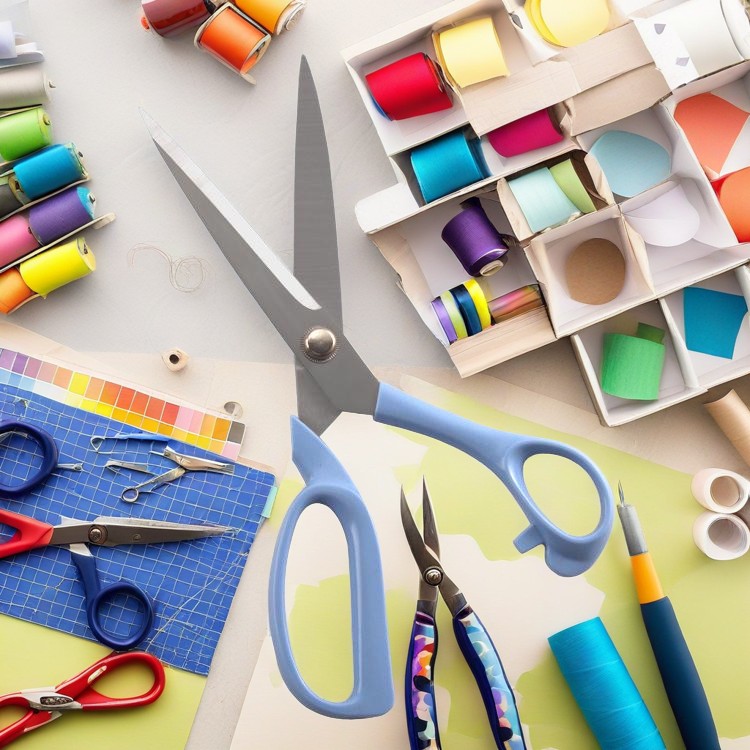
The original Bonet Houseware article introduced fabric scissors designed for crafting, sewing, scrapbooking, and garment design, with ergonomic handles and a blue grip. This updated guide expands that idea into a practical buyer-focused checklist for evaluating manufacturers of fabric scissors with ergonomic handles. It does not assume unverified specifications. Instead, it highlights the questions a professional buyer should ask before placing a wholesale, private label, or OEM order.
Why Ergonomic Handles Matter in Fabric Scissors
When fabric scissors are used for long cutting sessions, handle design becomes just as important as blade sharpness. Ergonomic handles are intended to reduce strain by improving the way the hand rests around the tool. For sewing rooms, classrooms, craft kits, and retail shelves, this can influence user satisfaction and repeat purchases.
Buyers should review handle size, finger opening shape, grip surface, and left-hand or right-hand usability. If the product is intended for a broad consumer audience, avoid choosing a handle that suits only one hand size. If the scissors will be sold for garment making or frequent studio use, request samples and ask several users to test comfort over repeated cuts.
What to Check When Comparing Fabric Scissors Manufacturers
Manufacturers of fabric scissors may offer different product lines for sewing, general craft, tailoring, school use, and household projects. Before comparing quotations, define the intended sales channel and user group. A pair of scissors for a beginner sewing kit may not need the same feel, packaging, or blade profile as scissors aimed at frequent dressmaking use.
- Product positioning: Are the scissors for sewing, crafts, tailoring, retail sets, or promotional kits?
- Handle design: Is the grip comfortable, stable, and suitable for the expected user?
- Cutting purpose: Will buyers use the scissors mainly on fabric, paper, thread, or mixed craft materials?
- OEM options: Can the supplier support handle color, logo placement, packaging, or assortment sets?
- Quality control: What inspections are performed before shipment, and what defect criteria are used?
- Documentation: What product details, packing information, and export documents can the supplier provide?
Comparison Checklist for Wholesale and OEM Buyers
A structured checklist makes manufacturer comparison easier and reduces misunderstandings. The table below can be adapted for sampling, quotation review, or supplier audits.
| Evaluation Area | What to Review | Questions to Ask the Supplier |
|---|---|---|
| Blade performance | Smooth cutting, tip accuracy, edge consistency | What materials are the scissors designed to cut, and how is sharpness checked? |
| Handle ergonomics | Grip shape, comfort, hand fit, surface feel | Are sample handles available for user testing before bulk order? |
| Product consistency | Appearance, alignment, opening and closing feel | What inspection steps are used during and after production? |
| OEM and branding | Color, logo, packaging, set combinations | Which customization options are available, and what details affect lead time? |
| Packaging | Retail display, protection, labeling space | Can packaging be adapted for online, retail, or wholesale distribution? |
| Commercial terms | MOQ, sample policy, payment, delivery | What are the current MOQ, sample cost, quotation validity, and shipping options? |
Sample Testing Before a Bulk Order
Samples are essential when sourcing ergonomic fabric scissors. Product photos can show handle shape and color, but they cannot prove cutting feel or comfort. Ask for current production samples, not only showroom samples, and test them in the same way your customer will use them.
- Cut several layers of common sewing fabric and note whether the blades glide or snag.
- Test the tips for small cuts, notches, and detail work.
- Open and close the scissors repeatedly to check smoothness and hand fatigue.
- Compare several samples from the same supplier for consistency.
- Review packaging strength if the product will be shipped through e-commerce channels.
If the scissors are promoted for both fabric and craft tasks, clarify whether paper cutting is appropriate for the same item. Many sewing users prefer to keep fabric scissors separate from paper scissors because paper can affect the cutting edge over time. Product instructions should match the intended use.
Questions to Ask About Materials, Compliance, and Quality
Do not assume blade material, coating, hardness, certifications, or test results unless the supplier provides them in writing. A manufacturer may be able to provide detailed specifications, but those details should be verified before being used in marketing copy or product listings.
Useful questions include: What blade material is used? What handle material is used? Are there any coatings or surface treatments? What tolerance is accepted for alignment and cutting performance? Can the supplier provide inspection reports for each shipment? Are there market-specific labeling or safety requirements the buyer must meet?
For importers and brand owners, compliance responsibilities can vary by country and sales channel. The safest approach is to ask suppliers what documents they can provide, then confirm requirements with your own compliance advisor, test lab, or marketplace policy team.
Choosing Scissors for Sewing, Craft, and Retail Sets
The best fabric scissors for sewing are not always the best choice for every assortment. A craft set may include scissors for general cutting and smaller detail work. A sewing kit may focus on fabric cutting, thread trimming, and pattern preparation. Retail buyers should consider how the product will be displayed and explained to the end user.
The original article mentioned scissors for diverse crafting tasks, including scrapbooking and garment design. That kind of versatility can be useful, but buyers should make product claims carefully. If the scissors are described as suitable for robust fabrics, delicate paper, or detailed cutting, confirm that the supplier supports those uses and that sample testing matches the claim.
Key Takeaways
- Ergonomic handles should be tested for comfort, not judged by appearance alone.
- Wholesale buyers should compare manufacturers using samples, QC questions, packaging checks, and OEM capability.
- Avoid publishing material grades, performance claims, or compliance statements unless the supplier documents them.
- For private label projects, clarify customization options, MOQ, lead time, and inspection standards before ordering.
Practical FAQ
How do I choose a fabric scissors manufacturer?
Start with your target customer, price range, and sales channel. Then request samples, compare cutting performance, check handle comfort, review packaging, and ask about quality control, MOQ, customization, and shipment documentation.
Are ergonomic handles important for wholesale sewing scissors?
Yes. Ergonomic handles can improve comfort during repeated cutting, which matters for sewing enthusiasts, craft users, and classroom or studio environments. Always test samples with real users before confirming a bulk order.
Can fabric scissors also be used for paper crafts?
Some scissors are marketed for mixed crafting, but many sewing users prefer to reserve fabric scissors for fabric only. Ask the supplier what materials the product is intended to cut and reflect that guidance in your product listing.
What OEM details should I confirm before ordering?
Confirm handle color choices, logo method, packaging artwork requirements, sample approval process, MOQ, lead time, inspection process, and how changes may affect cost or delivery. Do not rely on assumptions from photos alone.
What should I avoid when marketing fabric scissors?
Avoid unsupported claims about blade grade, durability, certifications, or professional performance. Use claims that are verified by samples, supplier documents, or your own testing, and keep product descriptions clear and specific.
