





Top Office Scissors Suppliers for Unique Designs & Safety
Choosing office scissors may seem like a small purchasing decision, but for distributors, stationery brands, office supply buyers, and procurement teams, it can affect user safety, product satisfaction, and repeat orders. The best office scissors suppliers do more than provide a basic cutting tool. They help buyers compare handle design, blade protection, packaging options, multi-purpose functions, and consistency across batches.
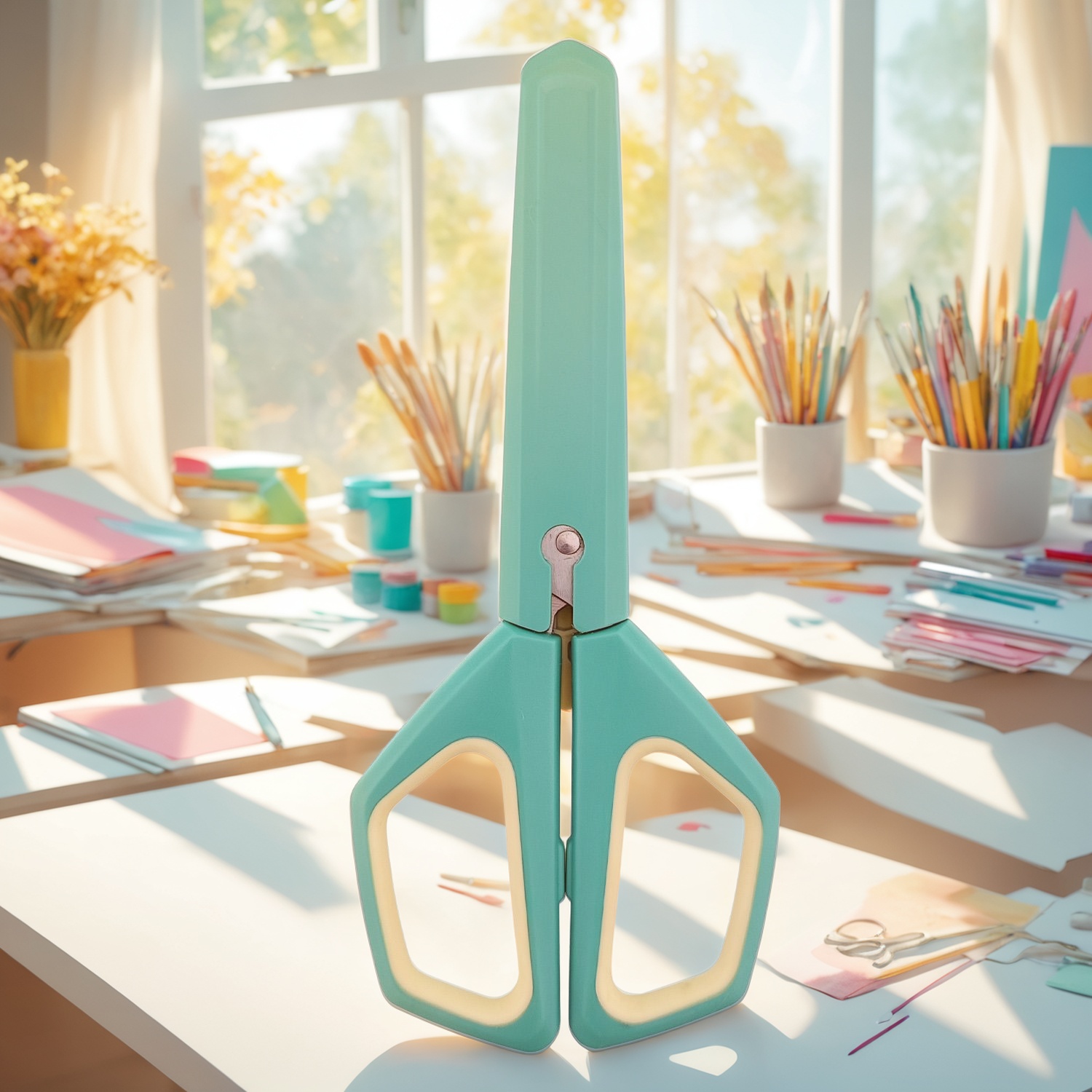
The product shown in the original article is a 5-in-1 Multi-Purpose Safety Scissors design with a turquoise and ivory dual-tone handle, a stainless steel blade, and a protective sheath. It is positioned for common office tasks such as cutting, tape dispensing, and package opening. This guide explains how to evaluate similar products and suppliers without relying on vague claims or assuming details that should be verified during sourcing.
Key Takeaways
- For B2B sourcing, compare suppliers by safety design, product consistency, customization support, documentation, and communication quality.
- Unique scissors designs should improve usability, not only appearance. Ask how the handle, cover, and added functions support real office tasks.
- Scissors with protective covers are especially useful in shared offices, schools, reception areas, and home-office environments.
- Do not assume material grade, certification, MOQ, lead time, or compliance status. Confirm these details directly with the supplier.
What Makes an Office Scissors Supplier Worth Shortlisting?
A reliable office scissors supplier should be able to explain the product clearly and answer practical buying questions. For example, if a supplier offers multi-purpose safety scissors, ask what each function is, how the mechanism works, whether replacement parts are available, and how the protective cover fits during storage and transport.
For wholesale or OEM purchasing, consistency is often more important than a single attractive sample. Buyers should request production samples, packaging samples, and written product specifications before placing larger orders. If the scissors will be sold under your brand, ask whether the supplier supports logo printing, color adjustment, retail packaging, barcode labeling, or carton marking. Treat these as questions to confirm rather than assumptions.
Evaluating Unique Scissors Designs
Unique scissors designs can help a product stand out in a crowded office supply category, but design should be judged by function as well as appearance. The featured scissors use a turquoise exterior with an ivory inner handle layer. This kind of dual-tone look can make the product more recognizable on a desk or in a stationery display. It may also help separate a line of office tools by color family or user group.
When reviewing a new design, consider how the handle fits different hand sizes, whether the grip feels stable during repeated cutting, and whether the shape creates pressure points. If the scissors are marketed for office, craft, or household use, test them on typical materials such as paper, envelopes, tape, lightweight packaging, and labels. A design that looks distinctive but performs poorly will not support long-term customer satisfaction.
Why a Protective Cover Matters
Scissors with a protective cover are useful in environments where tools are shared or stored in open drawers. A sheath helps cover the blade when the scissors are not in use, reducing accidental contact during storage, transport, or handling. This is relevant for offices, schools, supply rooms, reception desks, coworking spaces, and homes where office tools may be accessible to children.
For B2B buyers, the cover should be evaluated as part of the product, not as an accessory afterthought. Check whether it stays in place, whether it is easy to remove, whether it adds bulk to the package, and whether it could be lost easily. If the cover is important to your sales positioning, ask the supplier how it is packed and whether it is secured during shipment.
Comparing Supplier and Product Factors
The following checklist can help procurement teams compare office scissors suppliers more objectively before requesting quotes or samples.
| Factor to Check | Why It Matters | Questions to Ask the Supplier |
|---|---|---|
| Blade information | Affects cutting performance and durability expectations. | What blade material is used? Is the blade stainless steel as described? Are detailed specifications available? |
| Protective cover | Supports safer storage and handling. | Does the sheath fit securely? Is it included in every unit? How is it packed? |
| Handle design | Influences comfort, control, and visual appeal. | Can colors be customized? Are ergonomic claims supported by testing or user feedback? |
| Multi-purpose features | Can reduce the need for separate tools. | Which functions are included, such as cutting, tape dispensing, and package opening? Can the supplier demonstrate them? |
| Packaging options | Important for retail, e-commerce, and wholesale distribution. | What packaging formats are available? Can artwork, labels, or barcodes be added? |
| Quality control | Helps reduce inconsistent batches and complaints. | What inspections are performed before shipment? Can pre-shipment inspection be arranged? |
Multi-Purpose Features: Useful or Overcomplicated?
The original product is described as a 5-in-1 Multi-Purpose Safety Scissors with functions including cutting, tape dispensing, and package opening. Multi-purpose tools can be attractive for offices because they reduce desk clutter and provide one item for several everyday tasks. However, buyers should verify that each function works smoothly and does not weaken the core cutting performance.
Before committing to a multi-purpose scissors design, create a simple use-case test. Ask several users to open a parcel, cut paper, handle tape, and store the scissors with the protective cover. Observe whether the added functions are intuitive. If staff need instructions for basic use, the design may be better suited to niche promotions than broad office supply distribution.
B2B Sourcing Questions Before Placing an Order
When sourcing from office scissors suppliers, avoid basing decisions only on product photos. A clear sourcing process protects both the buyer and the supplier. Use the following steps during evaluation:
- Request a current product specification sheet and confirm all materials, dimensions, and included functions.
- Ask for physical samples from the same production method intended for your order.
- Check the protective cover fit, blade alignment, handle comfort, and packaging condition.
- Confirm available customization options, including handle color, logo placement, and packaging artwork if needed.
- Ask about MOQ, lead time, payment terms, inspection options, and after-sales handling.
- Confirm whether any compliance documents are required for your destination market and ask the supplier what they can provide.
This approach is especially important for OEM, wholesale, and private-label projects. Claims about certifications, testing, or compliance should be reviewed through actual documents rather than marketing descriptions.
How to Match Scissors to Office Use Cases
Different office environments require different priorities. A front desk may need scissors that are easy to find, comfortable for multiple users, and safe to store. A mailroom may value package-opening convenience and durability. A school office or shared workspace may prioritize a protective cover and controlled storage. Creative teams may care more about handle comfort and smooth cutting for repeated use.
If the product will be resold, segment your buyers before selecting a design. For corporate office supply channels, neutral packaging and dependable function may matter most. For retail stationery displays, color and multi-purpose features may help the item attract attention. For promotional products, branding area and packaging presentation may be more important than advanced functions.
Practical FAQ
What should I ask office scissors suppliers first?
Start with product specifications, sample availability, blade material, protective cover details, packaging options, MOQ, lead time, and quality inspection process. If you need OEM service, ask what customization is actually available.
Are scissors with protective covers necessary?
They are not necessary for every user, but they are practical in shared offices, schools, supply rooms, and homes. A cover helps protect the blade and reduces accidental contact during storage.
Do unique scissors designs improve performance?
Not automatically. A distinctive color or handle shape can improve visibility and branding, but buyers should test comfort, grip stability, cutting performance, and daily usability before ordering.
How can I verify a multi-purpose scissors design?
Request samples and test each advertised function, such as cutting, tape dispensing, and package opening. Check whether the added features are easy to use and whether they affect normal cutting performance.
Can I assume the supplier has certifications or fixed MOQ?
No. Certification status, MOQ, pricing, lead time, and compliance documents vary by supplier and order. Ask for written confirmation and review documents relevant to your market.
Final Thoughts
The right office scissors supplier should combine practical safety features, clear product information, and dependable communication. A design such as the 5-in-1 Multi-Purpose Safety Scissors can be appealing because it includes a protective sheath, stainless steel blade, dual-tone handle, and several everyday office functions. For business buyers, the next step is careful verification: request samples, test real tasks, confirm commercial terms, and document specifications before moving into wholesale or OEM purchasing.
