




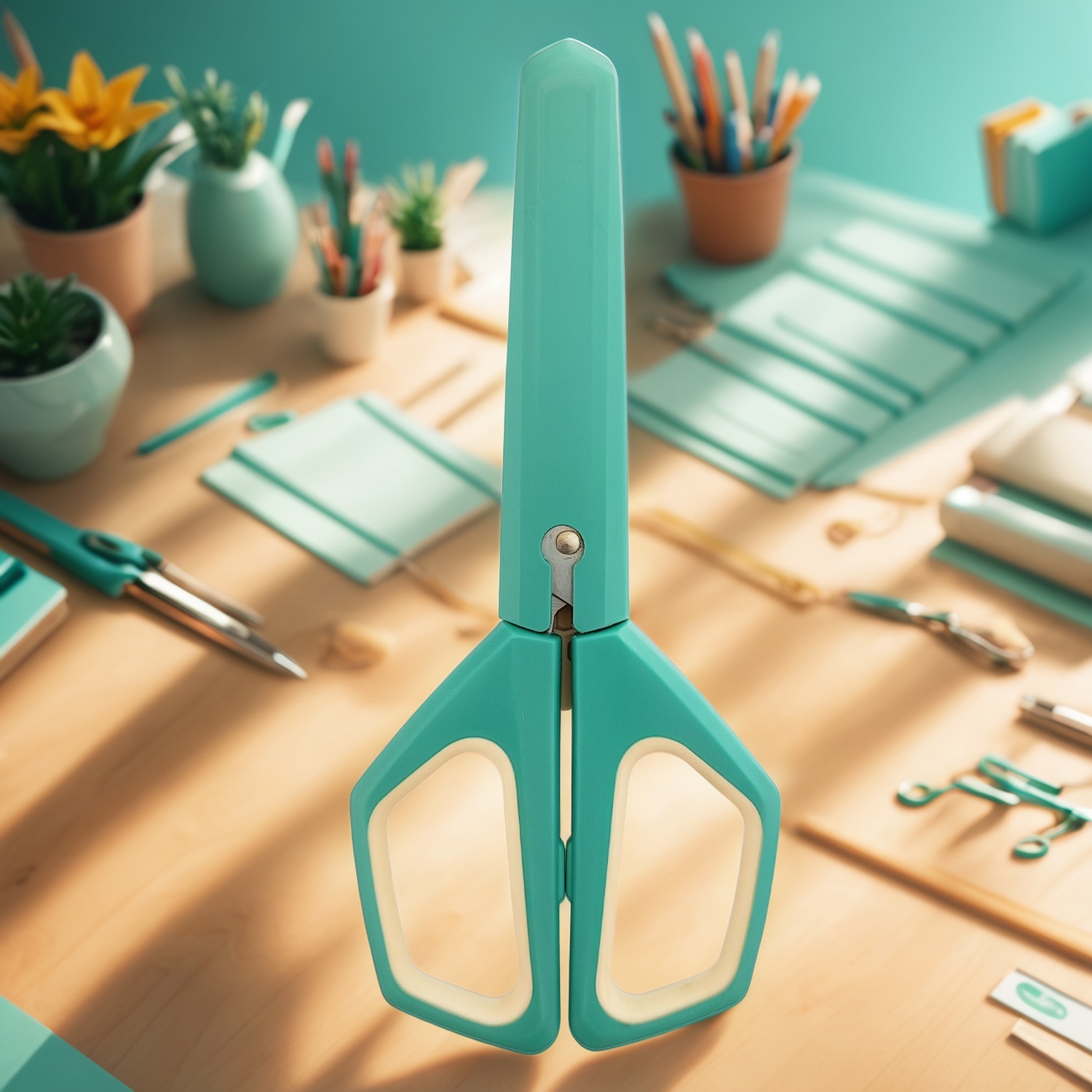
Top Office Scissors Suppliers: Unique and Safe Designs
Office scissors are simple tools, but sourcing them well requires more than choosing a low unit price. Buyers for stationery brands, office supply distributors, school supply programs, promotional product companies, and wholesale channels need scissors that cut reliably, store safely, and fit the expectations of different users. The best office scissors suppliers help buyers compare handle comfort, blade protection, packaging options, and consistency before placing larger orders.
This guide explains how to evaluate office scissors suppliers when your priority is practical design, everyday safety, and dependable supply. It does not assume one material, blade grade, certification, MOQ, or production capacity unless a supplier confirms it. Instead, it outlines the questions and checks that professional buyers can use when reviewing samples and quotations.
Key Takeaways
- Choose office scissors suppliers based on sample quality, repeatability, communication, packaging support, and safety-oriented design details.
- Scissors with protective cover are useful for storage, transport, schools, shared workspaces, and promotional kits.
- Unique scissors designs should improve comfort or usability, not only appearance.
- Before ordering, ask suppliers to confirm materials, dimensions, packaging, labeling, lead time, MOQ, and any applicable compliance documents.
What Buyers Should Expect from Office Scissors Suppliers
A capable supplier should be able to explain the intended use of each scissors model. General office scissors may be used for paper, envelopes, labels, light craft materials, or packaging tasks. A supplier should not simply describe a product as “high quality”; they should provide clear product information such as size, handle style, blade finish, cover type, packaging format, and available customization options.
For B2B buyers, responsiveness is also important. Ask whether the supplier can provide samples, product photos, packaging mockups, carton details, and written quotations. If you need OEM or private-label support, confirm what can be customized: handle color, logo placement, retail card, blister packaging, barcode labels, or inner box design. Do not assume these services are available until the supplier confirms them in writing.
Why Protective Covers Matter
Scissors with protective cover are increasingly common because they solve a basic storage problem. In offices, classrooms, craft rooms, and home workspaces, uncovered blades can scratch surfaces, damage bags, or create unnecessary risk when stored loosely in drawers. A cover or sheath helps shield the blades when the scissors are not in use.
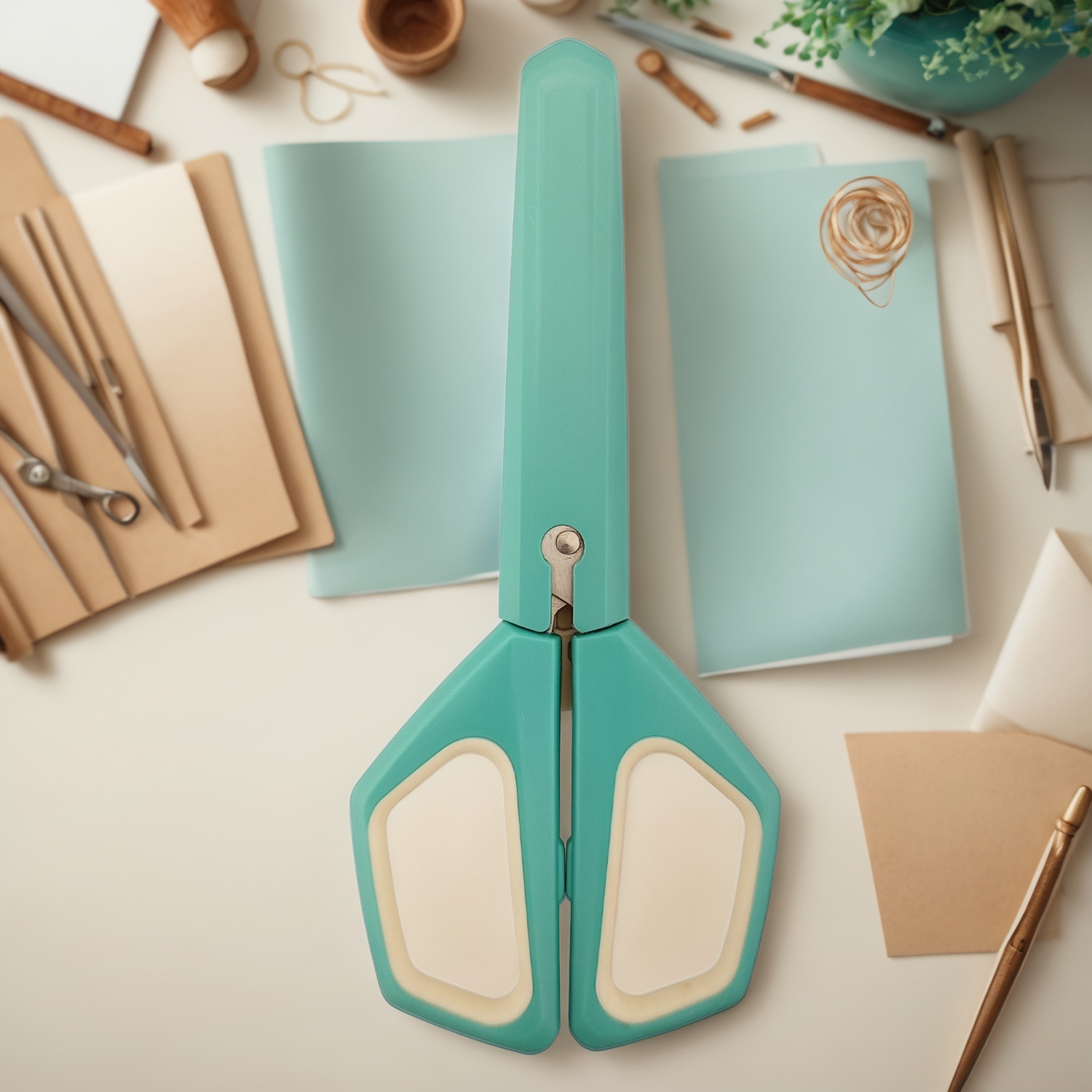
For distributors and retailers, protective covers can also improve perceived value. They make the product easier to include in school kits, craft bundles, desk organizers, and promotional packages. When evaluating a covered design, inspect how firmly the cover fits, whether it is easy to remove, and whether it stays aligned after repeated use. A loose cover may look acceptable in photos but fail during shipping or daily handling.
Unique Scissors Designs: Useful or Just Decorative?
Unique scissors designs can be valuable when they improve grip, visibility, storage, or user comfort. Examples may include distinctive handle shapes, dual-tone colors, compact forms, or lightweight construction. However, a distinctive look should not replace basic performance. The scissors should still cut cleanly, feel balanced, and be comfortable for the target user group.
If the scissors are intended for shared office use, a neutral design may be better than a highly specialized shape. If they are for school supply channels, safety, packaging clarity, and age-appropriate handling become more important. If they are for promotional use, logo space and color consistency may matter. Matching the design to the sales channel is often more important than choosing the most unusual appearance.
Comparison Checklist for Supplier Evaluation
Use the table below when comparing office scissors suppliers. It can help separate attractive product photos from reliable sourcing options.
| Evaluation Area | What to Check | Questions to Ask the Supplier |
|---|---|---|
| Cutting performance | Clean cutting on common office materials such as paper and labels | Can samples be tested before order confirmation? |
| Protective cover | Secure fit, easy removal, no sharp exposed edges during storage | Is the cover included as standard or optional? |
| Handle design | Comfort, grip space, suitability for intended users | Are different handle colors or designs available? |
| Packaging | Retail card, blister, bulk pack, or custom packaging options | Can packaging artwork, barcode, or labeling be customized? |
| Consistency | Sample matches production quality in finish and function | How is production consistency checked before shipment? |
| Commercial terms | MOQ, lead time, payment terms, carton information | Can all commercial details be confirmed in the quotation? |
Sample Testing Before Wholesale Orders
Sample testing is one of the most practical ways to reduce sourcing risk. Request samples from shortlisted office scissors suppliers and test them under realistic conditions. A sample should be handled by the type of users who will actually use the product, such as office staff, students, warehouse packers, or craft users.
During sample review, check the following points:
- Open and close the scissors repeatedly to assess smoothness.
- Cut several sheets of paper and light packaging material to see whether the blades catch or slip.
- Attach and remove the protective cover multiple times.
- Inspect the handle for rough edges, uncomfortable pressure points, or weak areas.
- Compare multiple samples to see whether color, assembly, and finish are consistent.
If your order requires specific compliance or testing documents, ask the supplier what they can provide and whether third-party testing is needed for your target market. Requirements can vary by country, sales channel, and end user, so buyers should verify obligations independently.
OEM, Wholesale, and Private-Label Questions to Ask
For OEM and wholesale sourcing, product appearance is only one part of the decision. Clear communication prevents misunderstandings after deposit or mass production approval. Before confirming an order, ask suppliers to clarify the following:
- What materials are used for the blades, handle, cover, and packaging?
- What sizes, colors, and handle designs are available?
- Can the supplier support logo printing or custom packaging?
- What is the MOQ for standard items and customized items?
- What is the estimated production lead time after sample approval?
- How are products packed for export or domestic distribution?
- Can pre-shipment inspection be arranged?
Keep records of approved samples, artwork files, color references, and packaging instructions. For repeat orders, these records make it easier to maintain consistency.
How to Choose the Right Product for Each Sales Channel
Different sales channels need different office scissors. A corporate office supply distributor may prioritize durable everyday use and simple packaging. A school supply seller may prefer scissors with protective cover and clear user guidance. A promotional product buyer may focus on colors, logo visibility, and compact packaging. A craft-oriented retailer may want more distinctive handle designs and shelf-ready presentation.
When discussing products with office scissors suppliers, describe the sales channel and user scenario. Instead of asking for the “best scissors,” explain whether the product will be sold in bulk, displayed in stores, packed in kits, or used as a branded giveaway. The more specific your request, the easier it is for suppliers to recommend suitable options.
FAQ
Are scissors with protective cover better for office use?
They are often practical for shared offices, schools, kits, and drawers because the cover helps protect the blades during storage. Buyers should still test the cover fit and durability before ordering.
Can office scissors suppliers provide custom colors or logos?
Some suppliers may offer customization, but availability depends on the product, order quantity, and production method. Ask for confirmed options, artwork requirements, sample costs, and lead times.
What should I check in a scissors sample?
Check cutting smoothness, blade alignment, handle comfort, cover fit, surface finish, packaging quality, and consistency across multiple samples.
How can I avoid quality issues in bulk orders?
Approve a reference sample, confirm specifications in writing, request packaging details, and consider pre-shipment inspection. Do not rely only on catalog photos.
What information should be included in a supplier quotation?
A useful quotation should list product model, description, packaging, MOQ, price basis, lead time, payment terms, customization details if any, and validity period.
Final Sourcing Advice
Office scissors may be low-cost items, but poor selection can lead to returns, complaints, or inconsistent repeat orders. Strong office scissors suppliers should provide clear product details, practical sample support, and honest answers about customization and commercial terms. Focus on real usability: clean cutting, comfortable handling, secure protective covers, appropriate packaging, and reliable communication. With a structured evaluation process, buyers can choose office scissors that fit their market instead of relying only on appearance or price.
