




Plastic Measuring Cup Manufacturer: Practical Sourcing Guide for Buyers
Choosing a plastic measuring cup manufacturer is not only about finding a low unit price. For retailers, distributors, catering suppliers and private-label kitchenware buyers, the better question is whether a supplier can deliver a measuring cup set that is clear to read, comfortable to use, consistent across batches and suitable for the intended sales channel.
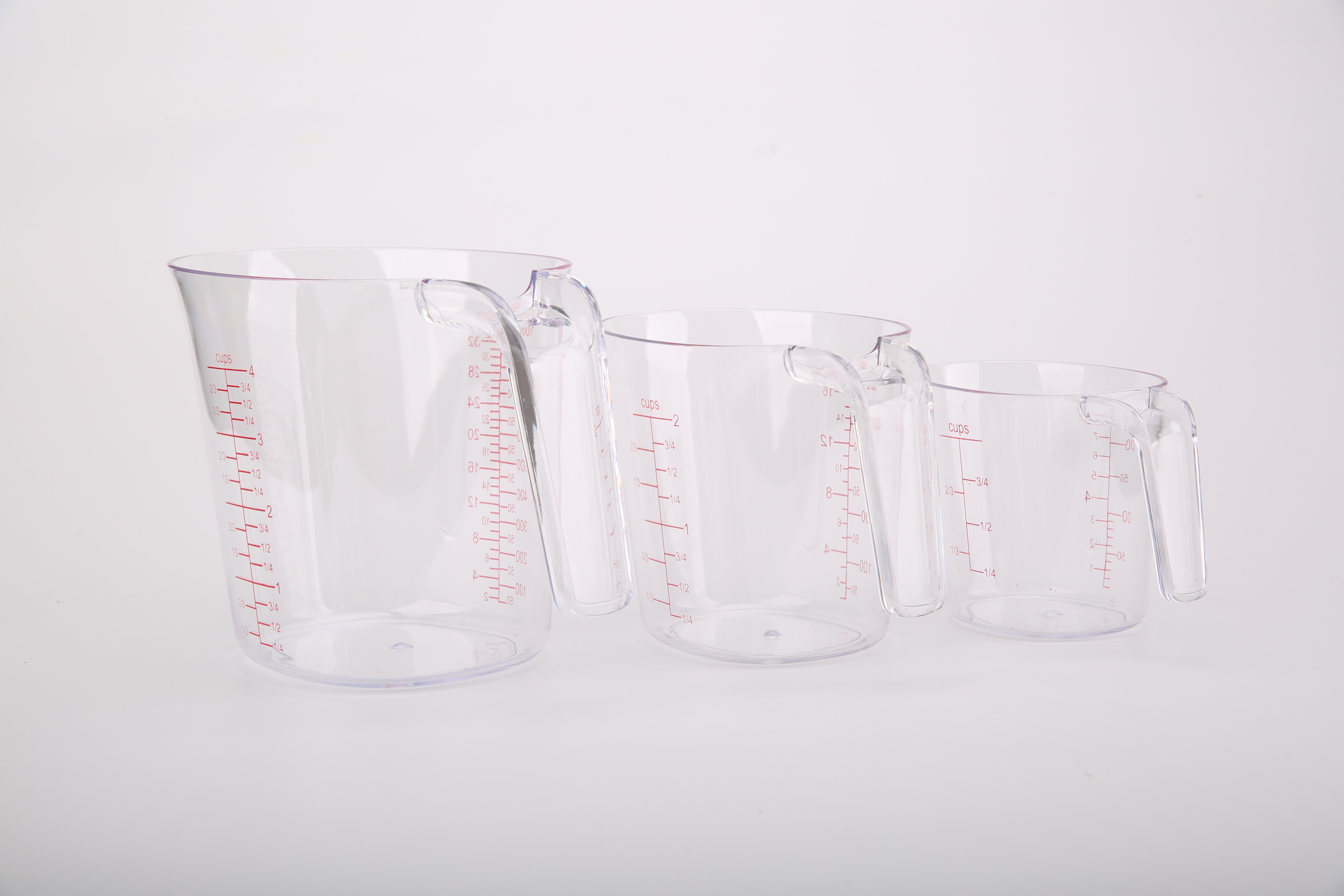
The existing Bonet Houseware product information describes a translucent amber plastic measuring jug set with three capacities: 1000 ml, 500 ml and 250 ml. The source also states that the jugs are made from BPA-free plastic, include ml and oz markings, have ergonomic handles, and are microwave and dishwasher compatible. Those are useful product points, but a professional sourcing decision should still include supplier verification, sample review and clear commercial questions before any wholesale order is placed.
Key Takeaways
- Confirm the exact plastic material, food-contact documentation and use limitations before placing a bulk order.
- Review samples for marking clarity, handle comfort, pouring control and consistency across all three sizes.
- Ask suppliers about packaging, customization, lead time, MOQ, quality control steps and replacement policy.
- For wholesale plastic measuring cups, compare total landed cost rather than unit price alone.
What the Product Set Includes
Based on the original product description, this measuring cup range is a three-piece translucent amber set. The large jug is 1000 ml, the medium jug is 500 ml, and the small jug is 250 ml. The markings include both milliliters and ounces, which can make the set more convenient for buyers serving markets where metric and imperial measurements are both used.
The amber color is also relevant from a merchandising perspective. Translucent measuring jugs allow users to check liquid levels from the side, while a warm color can help the product stand apart from standard clear plastic options. However, buyers should verify that the tint does not reduce readability under normal kitchen lighting, especially when measuring darker sauces, oils or batters.
How to Evaluate a Plastic Measuring Cup Manufacturer
A manufacturer should be assessed on product consistency, documentation and communication. Start by asking whether the supplier produces the measuring cups directly or works through a trading partner. Both models can be workable, but the buyer should understand who controls tooling, inspection and production scheduling.
For this type of kitchenware item, useful sourcing questions include:
- What exact plastic material is used for the measuring cup set?
- What documents can be provided for food-contact use in the buyer's target market?
- What temperature conditions apply to microwave and dishwasher use?
- How are the ml and oz markings applied, and how is readability checked?
- Can the supplier provide pre-production samples before mass production?
- What are the MOQ, lead time, carton details and packaging options?
These questions help prevent misunderstandings. For example, “microwave compatible” should be clarified in writing. Buyers should ask whether the item is intended for reheating, short-duration use, liquid-only use or another defined condition. The same applies to dishwasher compatibility, because temperature and detergent exposure can affect plastic products over time.
Product Features Buyers Should Inspect in Samples
Before a wholesale purchase, sample inspection is essential. The first point is measurement readability. The ml and oz marks should be easy to see at eye level and from practical kitchen angles. Buyers should check whether the markings remain clear when the jug contains water, milk, oil or colored liquid.
The second point is handling. The original article notes ergonomic handles, so buyers should test whether the handles are comfortable when the jug is empty and when it is filled to capacity. A 1000 ml jug can become awkward if the handle shape, balance or grip area is not suitable for everyday use.
The third point is pouring behavior. A measuring jug should pour cleanly, especially when used with thin liquids such as water and thicker mixtures such as batter. Buyers should look for dripping, uneven flow and difficulty controlling the pour. Even small design issues can lead to returns or weak customer reviews.
Comparison Checklist for Wholesale Sourcing
| Evaluation Area | What to Check | Why It Matters |
|---|---|---|
| Capacity range | 1000 ml, 500 ml and 250 ml set | Covers bulk, daily and smaller measuring tasks |
| Measurement marks | Clear ml and oz markings | Supports buyers serving different measurement preferences |
| Material information | BPA-free plastic stated; ask for exact material details | Helps confirm suitability for food-contact positioning |
| Use claims | Microwave and dishwasher compatibility stated; ask for conditions | Reduces risk of unclear consumer instructions |
| Packaging | Retail box, sleeve, label or bulk pack options | Affects shelf presentation and landed cost |
| Quality control | Inspection method, sample approval and defect handling | Protects consistency across repeat orders |
Wholesale and OEM Buying Considerations
Wholesale plastic measuring cups are often purchased for supermarkets, homeware stores, online marketplaces, hospitality suppliers and promotional kitchenware programs. Each channel has different priorities. A retail buyer may focus on shelf appeal and barcode packaging, while a catering supplier may care more about durability, cleaning instructions and case-pack efficiency.
If OEM or private-label work is required, buyers should ask whether logo placement, packaging artwork, color adjustment or measurement mark customization is available. Do not assume these services are included. Each customization can affect tooling, approval time, MOQ and cost. It is also wise to request physical samples after any design change, because even a small color or marking adjustment can affect readability.
Price comparisons should include more than the quoted unit cost. Packaging, inner cartons, outer cartons, freight volume, inspection fees, payment terms and potential replacement arrangements can all change the real cost of a sourcing project. A higher unit price may be reasonable if the product is better packed, easier to sell and more consistent in repeat orders.
Use and Care Information to Clarify
Because the original product information mentions microwave and dishwasher compatibility, buyers should make consumer instructions part of the sourcing discussion. Ask the supplier what wording should appear on packaging or product inserts. Clear instructions may include whether the product is suitable for microwave reheating only, whether it should be kept away from grill elements, and whether top-rack dishwasher placement is recommended.
Buyers should also ask how the measuring marks hold up after repeated washing. If the marks are printed, molded or otherwise applied, the supplier should be able to explain the process and the expected use conditions. For consumer-facing sales, unclear use guidance can lead to complaints even when the product itself is acceptable.
FAQ
What sizes are included in this plastic measuring cup set?
The original product information lists three sizes: 1000 ml, 500 ml and 250 ml. This range is suitable for large batches, everyday measuring and smaller quantities.
Does the set include both metric and imperial measurements?
Yes. The source description states that the jugs include clear ml and oz markings.
Is the plastic BPA-free?
The original article states that the measuring jugs are made from BPA-free plastic. Buyers should still request material details and relevant food-contact documentation for their target market.
Can these measuring cups be used in a microwave or dishwasher?
The source states microwave and dishwasher compatibility. For wholesale sourcing, ask the supplier to define the exact use conditions, temperature limits and recommended consumer instructions.
What should I ask before placing a wholesale order?
Ask about MOQ, lead time, sample approval, packaging options, carton specifications, quality control procedures, payment terms and how defects or shipment issues are handled.
Final Sourcing Advice
A plastic measuring cup manufacturer should be judged by how well the product performs in real kitchens and how clearly the supplier supports a B2B purchase. The amber three-piece set described here has practical features for retail or wholesale consideration, including three useful capacities, ml and oz markings, ergonomic handles and a translucent design. The next step for buyers is to verify samples, clarify use claims and compare suppliers with a structured checklist before committing to volume production.
