




Plastic Measuring Cup Manufacturer: Practical Sourcing Guide for Wholesale Buyers
Choosing a plastic measuring cup manufacturer is not only about finding a low unit price. For retailers, kitchenware distributors, restaurant suppliers, and private-label buyers, the better question is whether the product is easy to read, consistent in use, practical to store, and suitable for the target market. A measuring cup is a simple kitchen tool, but small details such as handle shape, pouring control, scale visibility, and packaging can affect repeat purchases and customer satisfaction.
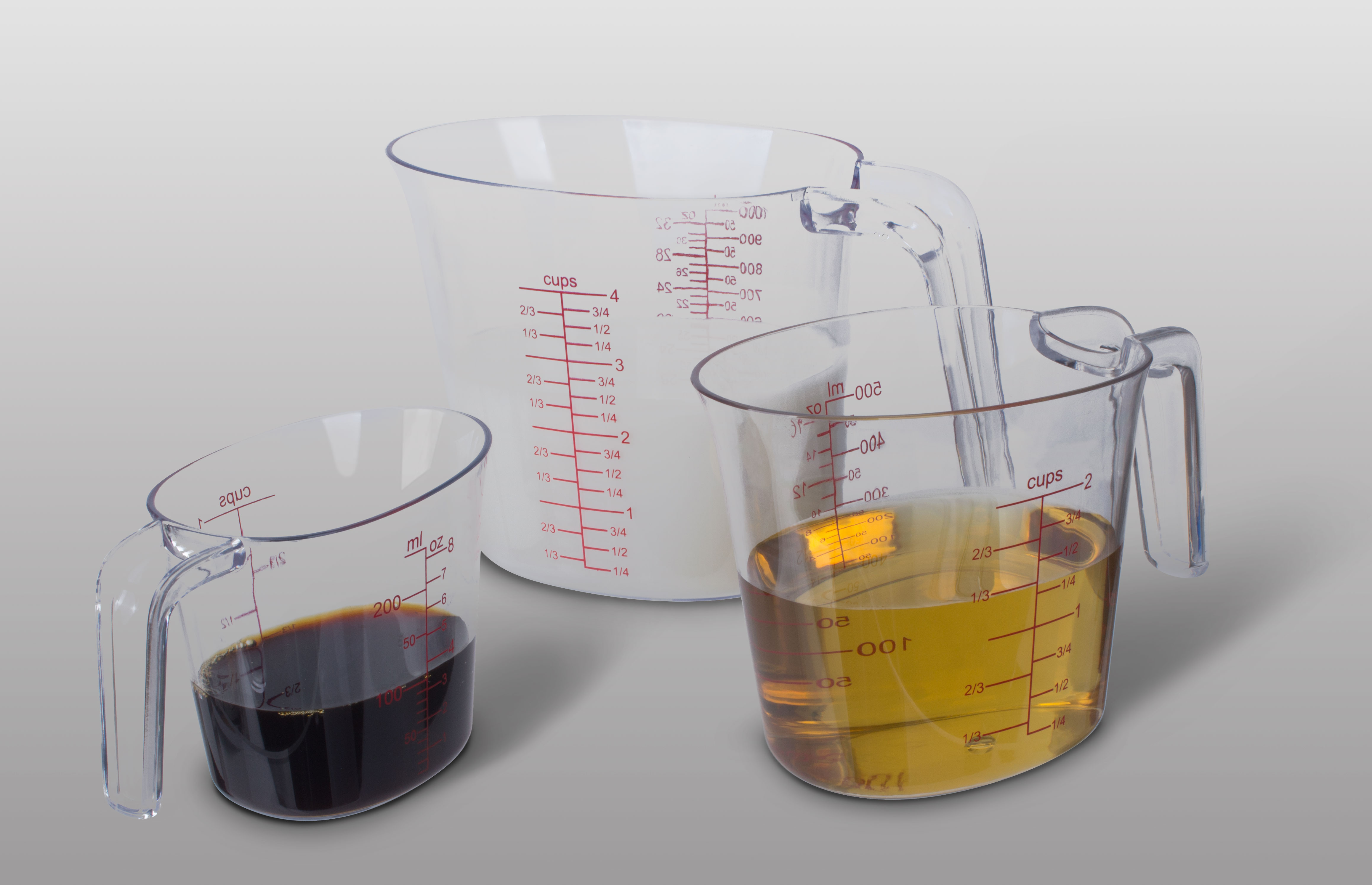
The original product information describes translucent brown plastic measuring jugs available in 200 ml, 500 ml, and 1000 ml sizes, with dual-scale markings in milliliters and ounces. It also states that the jugs are lightweight, robust, heat resistant, dishwasher safe, stackable, and designed with ergonomic handles and smooth spouts. These are useful starting points for wholesale evaluation, but B2B buyers should still verify specifications, testing standards, labeling requirements, and order terms directly with the supplier before placing a bulk order.
Key Takeaways
- Confirm measuring accuracy, scale durability, and readability before approving a production sample.
- Match cup sizes to the sales channel: baking, restaurant prep, retail kitchenware, or promotional kits.
- Ask the supplier clear questions about material, packaging, customization, lead time, and quality control.
- Do not rely on appearance alone; handle comfort, spout performance, and stacking stability matter in daily use.
What Wholesale Buyers Should Look For
A reliable measuring cup should make liquid and dry ingredient measurement simple. For wholesale sourcing, the most important features are clear graduations, stable construction, comfortable handling, and predictable quality between batches. The translucent brown design mentioned in the source can help the product stand out visually, but the markings must remain easy to read under normal kitchen lighting.
Buyers should request samples and test them in realistic conditions. Fill each cup to several measurement lines, pour slowly and quickly, check whether the spout drips, and see whether the cup remains comfortable when full. For a 1000 ml jug, handle strength and grip comfort become especially important because the filled weight is higher. For a 200 ml cup, precision and line spacing may matter more because the user is likely measuring smaller quantities.
Product Range and Use Cases
The stated range of 200 ml, 500 ml, and 1000 ml gives buyers flexibility. A 200 ml measuring cup can suit baking prep, small sauce portions, coffee service, or compact home kitchens. A 500 ml size is a versatile middle option for general cooking. A 1000 ml jug is useful for larger recipes, food preparation, and restaurant back-of-house tasks.
When building a wholesale assortment, consider whether to sell individual units, nested sets, or multi-size bundles. Stackable design is useful for both end users and warehouse handling because it can reduce storage space. However, buyers should still ask how the products are packed, whether stacking causes scuffing during transport, and whether retail labels or inserts can be added without making the packaging bulky.
Comparison Checklist for Supplier Evaluation
| Evaluation Area | What to Check | Questions to Ask the Supplier |
|---|---|---|
| Measurement markings | Milliliter and ounce scales, contrast, line spacing, print durability | Are the markings printed, molded, or otherwise applied? How is readability checked? |
| Size options | 200 ml, 500 ml, and 1000 ml availability | Can sizes be ordered separately or as a set? Are other capacities available? |
| Material details | Plastic type, color, transparency, intended temperature range | What plastic material is used, and can documentation be provided? |
| Use and care | Heat resistance, dishwasher-safe claim, cleaning instructions | What conditions support the heat-resistant and dishwasher-safe claims? |
| Design quality | Handle comfort, spout control, stacking stability | Can pre-production samples be tested before mass production? |
| Wholesale terms | Packaging, customization, lead time, MOQ, payment terms | What are the current commercial terms for your order quantity and destination? |
Markings, Accuracy, and Readability
Dual-scale markings in milliliters and ounces are valuable because they support different recipes and regional preferences. For international buyers, this can reduce the need to stock separate versions for metric and imperial users. Still, the buyer should confirm how the scale is created and inspected. Markings that look sharp on a product photo may be harder to read when the cup contains colored liquids or when condensation forms on the surface.
For quality approval, compare the sample against a known reference. Test several measurement points, not only the maximum capacity. If the product will be sold under a private label, ask whether artwork changes could affect the clarity of the measuring scale. Any decorative branding should not compete with the functional measurement lines.
Durability, Cleaning, and Daily Handling
The source describes the measuring jugs as lightweight, robust, heat resistant, and dishwasher safe. These are useful selling points, but buyers should request the conditions behind them. For example, dishwasher-safe performance may depend on rack placement, water temperature, detergent type, or repeated cycles. Heat resistance should also be clarified by the supplier because kitchen buyers may interpret the phrase differently.
Daily handling tests are simple and worthwhile. Fill the 1000 ml jug and hold it by the handle for a short period. Pour into a narrow container to judge the smooth spout. Stack multiple units to check whether they sit securely. Wash a sample several times and inspect whether the surface, color, and markings remain acceptable. These checks help prevent complaints after goods reach retail shelves or foodservice customers.
OEM, Packaging, and Wholesale Purchasing Questions
If you are sourcing from a plastic measuring cup manufacturer for OEM or wholesale distribution, prepare a clear inquiry. Include target sizes, estimated order quantity, destination market, packaging preference, branding needs, and any regulatory or retailer requirements you must meet. Avoid vague requests such as asking for the best price without defining the product and packaging details.
Important questions include: What material is used? Are food-contact documents available for the intended market? Can the supplier provide samples from current production? What is the process for confirming artwork and measurement markings? What packaging options are available for retail, foodservice, or bulk cartons? What are the current MOQ, lead time, payment terms, and after-sales process for quality issues? These details should be confirmed in writing before a purchase order is finalized.
How to Choose the Right Measuring Cup Assortment
Retail buyers may benefit from a three-size assortment because it gives shoppers a simple good-better-complete choice. Foodservice buyers may prefer larger quantities of the 500 ml and 1000 ml sizes if they are used for prep stations. Promotional buyers may prefer compact units if shipping cost and package size are major concerns. The best assortment depends on how the end user cooks, stores tools, and reads measurements.
Color also matters. The translucent brown appearance can create a distinctive shelf presence, but buyers should check whether the color affects visibility of the scale. If your customers include older users or professional kitchens with fast-paced work, readability should be prioritized over decorative effect.
FAQ
What sizes are mentioned for these plastic measuring cups?
The source lists 200 ml, 500 ml, and 1000 ml measuring jugs. Buyers should confirm current availability before ordering.
Are the measuring cups marked in both milliliters and ounces?
Yes, the original information states that the jugs have dual-scale markings in milliliters and ounces.
Can I assume the product meets my local food-contact rules?
No. You should ask the supplier for material details and any documents required for your destination market.
What should I test before placing a wholesale order?
Check scale accuracy, marking visibility, handle comfort, spout control, stacking, packaging strength, and cleaning performance.
Is private labeling available?
The source does not specify private-label terms. Ask the manufacturer about logo options, artwork approval, packaging customization, MOQ, and lead time.
