




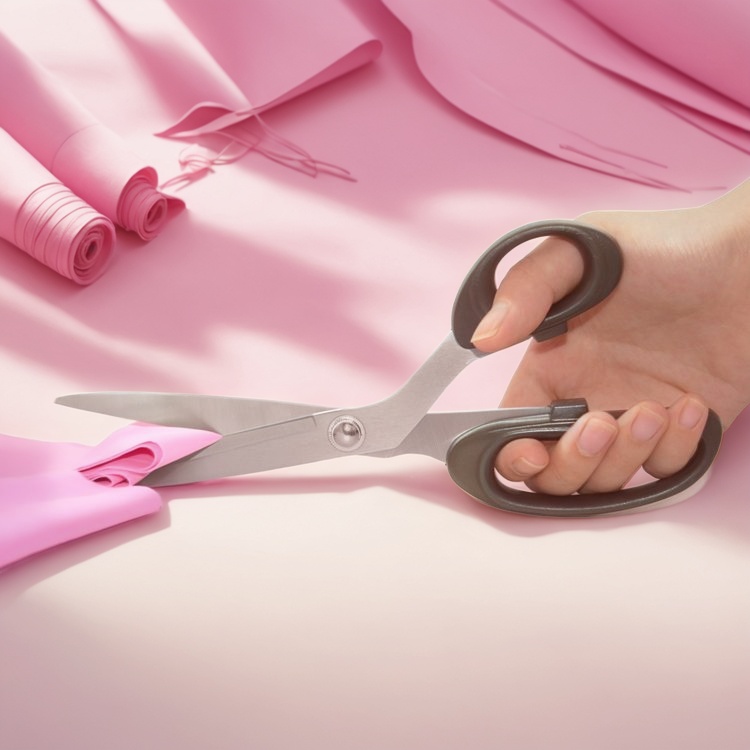
Top Scissors Supplier for Tailors: Precision & Quality
Choosing a scissors supplier for tailors is not only about finding a sharp tool. For sewing studios, garment repair shops, uniform makers, craft retailers, and wholesale buyers, scissors affect cutting accuracy, operator comfort, fabric waste, and repeat purchase satisfaction. The original product note highlights tailor scissors for sewing with stainless steel blades, ergonomic handles, and a black handle finish with shiny blades. Those are useful starting points, but buyers should evaluate much more before placing a wholesale, OEM, or retail sourcing order.
This guide explains how to assess tailor scissors for sale, what questions to ask a supplier, and how to match scissors to fabric types and user needs without relying on vague marketing claims.
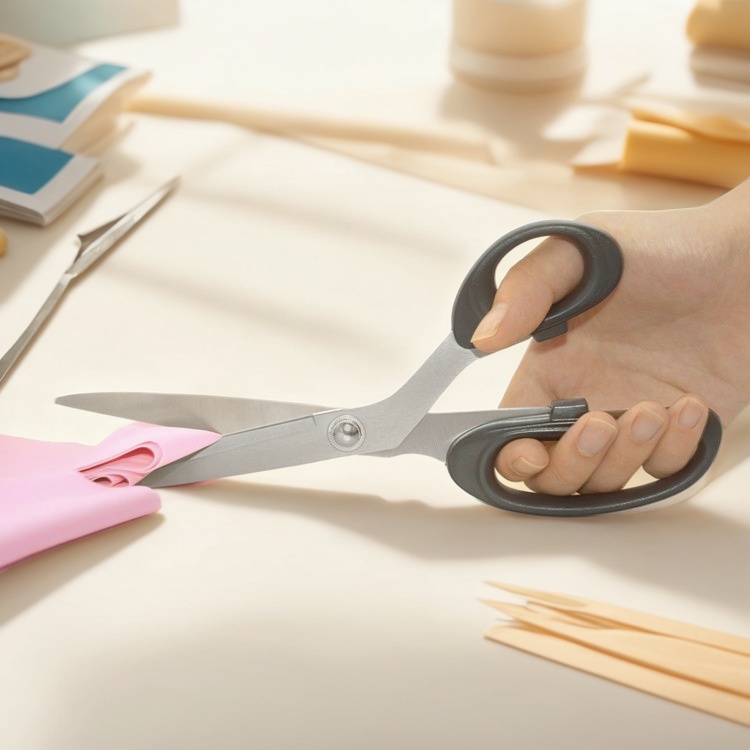
Key Takeaways
- A good scissors supplier for tailors should provide consistent cutting performance, clear product information, and responsive commercial support.
- For B2B buyers, sample testing is essential before committing to wholesale or OEM orders.
- Stainless steel blades and ergonomic handles are useful features, but buyers should still ask about blade hardness, edge retention, finishing, packaging, and after-sales handling.
- The best tailor scissors depend on fabric type, cutting frequency, hand comfort, and the needs of the end user.
What Tailors Need from Sewing Scissors
Tailors often cut long, clean lines through woven fabrics, linings, denim, lightweight silks, and sometimes layered materials. A scissor that performs well on paper or packaging may not meet sewing requirements. For fabric cutting, the blades should close smoothly from pivot to tip, the edge should remain stable during repeated use, and the handles should allow control without forcing the wrist into an awkward angle.
Professional users also care about predictability. If a studio buys multiple pairs, each pair should feel similar in balance, sharpness, and screw tension. Inconsistent products create training issues and can cause users to avoid certain pairs. For retailers, inconsistency can lead to returns and poor reviews.
How to Evaluate a Scissors Supplier for Tailors
When comparing suppliers, do not judge only by catalogue images. A sourcing decision should combine product sampling, documentation, communication quality, and long-term supply reliability. Ask whether the supplier can provide clear photos, material descriptions, available sizes, handle options, packaging choices, and product care instructions. If OEM or private label sourcing is required, ask what customization is available and what limitations apply.
Buyers should avoid assuming manufacturing capacity, minimum order quantity, testing standards, or certifications unless the supplier provides written confirmation. Instead of asking only for the lowest price, ask how quality is controlled across production batches, how defects are handled, and whether pre-shipment inspection is supported.
Comparison Checklist for Wholesale Buyers
| Evaluation Area | What to Check | Questions to Ask the Supplier |
|---|---|---|
| Blade material | Stainless steel or other stated material, edge finish, corrosion resistance guidance | What blade material is used, and can it be confirmed in writing? |
| Cutting performance | Smooth opening, clean cut from heel to tip, no fabric chewing | Can samples be tested on common tailoring fabrics before ordering? |
| Ergonomics | Handle shape, grip comfort, hand fatigue during repeated cutting | Are different handle sizes or left/right-hand options available? |
| Consistency | Similar tension, finish, and sharpness across multiple samples | How is batch consistency checked before shipment? |
| Packaging | Retail card, sleeve, box, barcode, care information | What packaging choices are available for wholesale or retail? |
| Commercial terms | MOQ, lead time, payment terms, replacement policy | What are the current order terms and how are defects handled? |
Product Features Worth Checking
The original article mentions stainless steel blades and ergonomic handles. These are common features buyers often look for, but the details matter. Stainless steel can help with general durability and corrosion resistance, but different steels and heat treatments perform differently. Since no specific grade is provided in the source material, buyers should ask the supplier for the exact material description rather than assuming a grade.
Ergonomic handles can reduce strain during long cutting sessions, especially for tailors who cut for hours. However, comfort is personal. A handle that suits one user may feel too small, too wide, or poorly balanced for another. If buying for a team or retail audience, test the scissors with several users before deciding.
- Check whether the tips meet cleanly and can cut small notches accurately.
- Open and close the scissors repeatedly to feel for roughness or looseness.
- Cut lightweight fabric, medium cotton, and heavier material if relevant to your customers.
- Inspect the handle finish for burrs, sharp edges, or weak points.
- Ask for product care guidance, including cleaning, storage, and sharpening recommendations.
OEM, Private Label, and Wholesale Sourcing Advice
For distributors and retailers, tailor scissors may be sold as individual tools, part of sewing kits, or as a professional workshop supply. If you need OEM or private label service, clarify the scope early. Possible topics include logo placement, handle color, packaging design, barcode labels, instruction inserts, and carton markings. Do not assume all customization is available for every model.
Before confirming an order, request production samples or approval samples. Compare them against the first sample you tested. If there are differences in blade alignment, screw tension, handle finish, or packaging quality, resolve them before mass production. For repeat orders, keep a sealed reference sample so future batches can be compared against an agreed standard.
Matching Tailor Scissors to End Users
A professional tailor may prefer a heavier pair with strong cutting power and precise tip control. A sewing beginner may prefer lighter scissors that are easy to manage. Retail buyers should consider who will use the product: professional tailors, home sewing enthusiasts, students, alteration shops, or craft users. The best product mix may include multiple sizes rather than a single model.
If the scissors are marketed for sewing, avoid promoting them as suitable for every possible material unless the supplier has verified that use. Cutting unsuitable materials can dull the blades or damage the edge. Clear use instructions help reduce complaints and keep the product aligned with realistic customer expectations.
Care and Use Guidance for Longer Service Life
Even good scissors perform poorly if misused. Tailor scissors should generally be reserved for fabric and thread-related work rather than paper, wire, plastic ties, or household tasks. Users should wipe blades clean after use, store scissors dry, and avoid dropping them because impact can affect blade alignment. If the pivot screw loosens, it should be adjusted carefully; if the blade edge becomes dull, professional sharpening may be preferable to aggressive home grinding.
For wholesale buyers, including a short care card in packaging can reduce misuse and support customer satisfaction. This is especially useful when selling through online marketplaces, where buyers may not receive in-person guidance.
FAQ
What makes a good scissors supplier for tailors?
A good supplier offers consistent product quality, clear material and packaging information, sample support, reliable communication, and transparent answers about order terms, customization, and defect handling.
Are stainless steel blades enough for professional sewing scissors?
Stainless steel blades are a useful feature, but buyers should still ask about the exact material, edge finishing, hardness information if available, and performance on the fabrics their customers commonly cut.
Should I buy tailor scissors in bulk without samples?
No. For wholesale or OEM sourcing, samples are important. Test cutting performance, comfort, blade alignment, surface finish, packaging, and consistency across multiple sample pairs before confirming an order.
What should retailers ask before ordering tailor scissors for sale?
Ask about available sizes, packaging options, labeling, care instructions, MOQ, lead time, inspection process, replacement policy, and whether product claims can be supported with written supplier information.
How can users keep sewing scissors sharp longer?
Use them mainly for fabric, keep them clean and dry, store them safely, avoid cutting hard non-fabric materials, and sharpen them properly when the edge begins to drag or crush fabric.
