




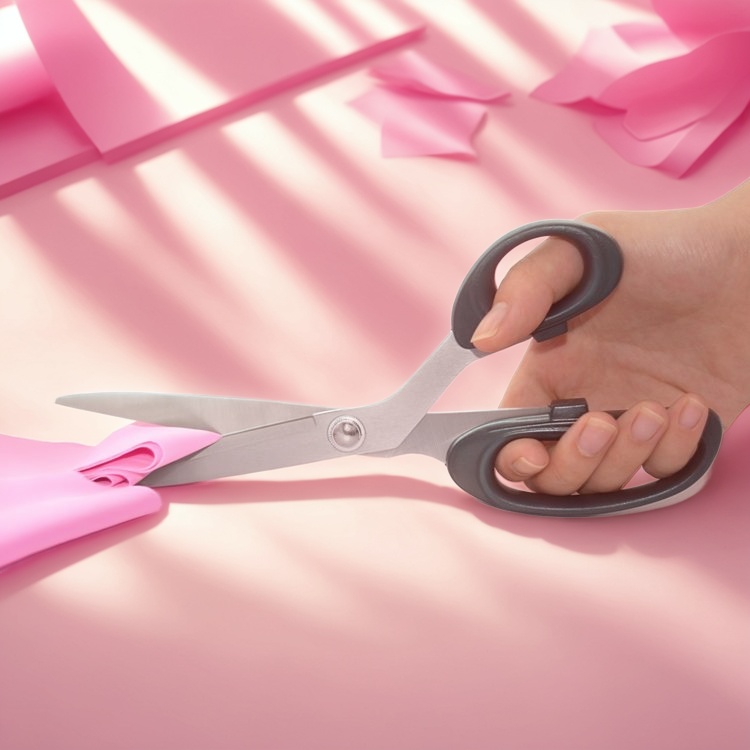
Scissors Supplier for Tailors: How to Evaluate PrecisionCraft Shears
For tailors, sewing studios, uniform makers, alteration shops, and fabric retailers, scissors are not a casual purchase. A reliable pair affects cutting accuracy, operator comfort, fabric waste, and daily workflow. The original article introduced PrecisionCraft Shears as tailor scissors for sewing, highlighting stainless steel blades, an ergonomic handle, and an adjustable pivot screw. This expanded guide explains how to assess those features in a practical sourcing context, especially if you are comparing suppliers or buying scissors for repeated professional use.
Key Takeaways
- Choose sewing scissors based on the fabrics you cut most often, not only on appearance or price.
- PrecisionCraft Shears are described with stainless steel blades, an ergonomic handle, and an adjustable pivot screw.
- For B2B purchasing, ask suppliers about sampling, packing, replacement policy, labeling options, and quality checks before ordering.
- Good care habits, including dedicated fabric use and proper storage, help preserve cutting performance.
Why Tailors Need Purpose-Built Sewing Scissors
General household scissors can cut thread, paper, and packaging, but tailoring requires cleaner, longer, and more controlled cuts. Fabric shifts easily, especially lightweight materials. A dull or poorly aligned pair of scissors can pull fibers, create jagged edges, or force the operator to cut the same line twice. In commercial settings, these small issues become expensive because they slow production and increase rework.
Purpose-built scissors for sewing should feel stable in the hand, open and close smoothly, and maintain contact between the blades along the cutting line. If your team cuts a range of fabrics, from delicate silks to robust denim, the supplier should help you understand which shear model is most appropriate and whether one pair can handle your typical workload.
What the PrecisionCraft Shears Offer
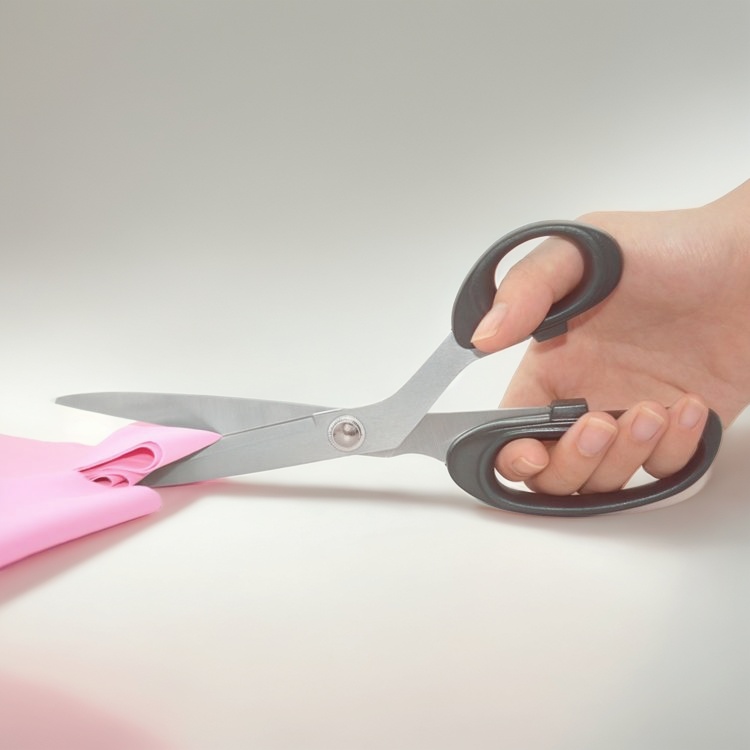
Based on the original product description, PrecisionCraft Shears are positioned as tailor scissors for sale with three practical attributes: ultra-sharp stainless steel blades, an ergonomic handle, and an adjustable pivot screw. Each feature matters for a different reason.
Stainless steel blades are valued because they are commonly used for cutting tools and can provide a clean cutting edge when properly made and maintained. The source also states that the blades can glide through various fabrics, including delicate silks and robust denim. For a buyer, the next step is to confirm how the scissors perform on your own fabric swatches, because cutting performance depends on fabric thickness, weave, finish, and the user’s technique.
The ergonomic handle is intended to reduce hand fatigue and improve control. This is important in tailoring rooms where staff cut for extended periods. The adjustable pivot screw is also useful because blade tension affects how the shears feel and how they handle different materials. Too loose, and the blades may fold fabric instead of cutting it cleanly. Too tight, and the scissors may tire the hand quickly.
Comparison Checklist for Selecting Tailor Scissors
When reviewing a scissors supplier for tailors, use a structured checklist rather than relying on a short product description. The table below helps compare PrecisionCraft Shears with other sewing scissors you may be considering.
| Selection point | Why it matters | Questions to ask the supplier |
|---|---|---|
| Blade material | Influences edge quality, durability, and maintenance needs. | Are the blades stainless steel as described? What care is recommended? |
| Cutting performance | Determines whether fabric edges stay clean and accurate. | Can samples be tested on silk, denim, cotton, lining, or other target fabrics? |
| Handle comfort | Affects fatigue during long cutting sessions. | Is the handle ergonomic? Are left-hand or alternative handle options available? |
| Pivot adjustment | Allows tension changes for different cutting preferences. | How should the adjustable pivot screw be set and maintained? |
| Packaging and labeling | Important for wholesale, retail, or OEM distribution. | What packaging options, barcode needs, or labeling services can be discussed? |
| Quality consistency | Reduces returns and complaints in bulk purchasing. | What inspection steps are used before shipment? How are defects handled? |
B2B Sourcing Guidance for Tailoring Businesses
If you are buying one pair for a personal sewing kit, the decision may be simple: test the scissors and choose what feels best. If you are sourcing for a tailoring workshop, school, retail store, or wholesale program, the decision should be more formal. A scissors supplier should be able to answer practical purchasing questions without vague claims.
- Request a sample first. Test the shears with the fabrics your business actually uses, including the thickest and thinnest materials.
- Check repeatability. If buying multiple units, ask how the supplier controls blade alignment, sharpness, handle finish, and pivot tension consistency.
- Discuss packaging early. Retail buyers may need hang tags, protective sleeves, cartons, or private label discussion. Do not assume these are included.
- Clarify commercial terms. Ask about minimum order quantity, lead time, payment terms, warranty handling, and replacement procedures.
- Confirm documentation needs. If your market requires specific paperwork or compliance information, request it directly from the supplier before committing.
This approach avoids common sourcing problems such as receiving scissors that cut well in a sample but vary in bulk, or discovering too late that packaging does not suit your sales channel.
How to Test Scissors Before Buying in Quantity
A simple in-house test can reveal a great deal about tailor scissors. Prepare several fabric swatches: a lightweight woven fabric, a medium cotton, a slippery lining, a stretch material if relevant, and a heavier fabric such as denim. Cut straight lines, curves, and short notches. Notice whether the scissors push the fabric, snag fibers, or require extra hand pressure.
Also test comfort. Have more than one operator use the scissors for a short cutting session. A handle that suits one hand size may not suit another. If the pivot screw is adjustable, test different tension settings and note whether adjustment is easy and stable. For a workshop, the best pair is not always the sharpest on the first cut; it is the one that delivers controlled, repeatable performance during daily work.
Use and Care Tips for Longer Service
Even good scissors can fail early if they are used incorrectly. Tailor scissors should ideally be reserved for fabric and thread, not paper, plastic, wire, or packaging. Cutting non-fabric materials can dull the edge and affect precision. Store shears in a dry place and protect the tips from impact. If lint collects around the pivot, clean it gently and follow the supplier’s care guidance.
- Keep one clearly labeled pair for fabric-only use.
- Wipe blades after cutting fabrics that shed fibers or contain finishes.
- Do not drop scissors on hard floors, as blade alignment may be affected.
- Adjust pivot tension carefully; over-tightening can make cutting uncomfortable.
- Arrange sharpening or servicing when cutting starts to feel rough.
FAQ: Tailor Scissors and Supplier Selection
What makes scissors suitable for tailors?
Tailor scissors should provide clean fabric cuts, controlled handling, and comfort during repeated use. Features such as sharp blades, a comfortable handle, and adjustable tension can be helpful.
Are PrecisionCraft Shears suitable for different fabrics?
The original product description states that they are designed to cut various fabrics, including delicate silks and robust denim. Buyers should still test samples on their own materials before bulk purchasing.
Why does an adjustable pivot screw matter?
The pivot screw affects blade tension. Adjustment can help match the feel of the scissors to different fabrics and user preferences, but it should be set carefully.
What should wholesale buyers ask before ordering?
Ask about samples, bulk consistency, packaging, labeling, lead time, minimum order quantity, defect handling, and any documentation required for your market.
How can I keep sewing scissors sharp for longer?
Use them only on fabric and thread, store them safely, keep them clean, avoid dropping them, and follow the supplier’s maintenance recommendations.
Final Buying Advice
PrecisionCraft Shears may be a relevant option for tailors looking for stainless steel sewing scissors with an ergonomic handle and adjustable pivot tension. The best decision, however, comes from testing, asking clear sourcing questions, and matching the product to your real cutting tasks. Whether you run a small alteration shop or purchase for a larger sewing operation, evaluate scissors as a working tool, not a decorative accessory. The right supplier should support that process with practical answers and consistent product quality.
