




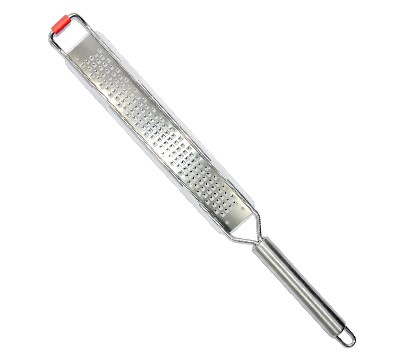
Top Stainless Steel Grater Supplier: Practical B2B Sourcing Guide
Choosing a stainless steel grater supplier is not only about finding a sharp kitchen tool. For distributors, retailers, hospitality buyers, and private-label kitchenware brands, the right supplier affects product consistency, packaging options, customer satisfaction, and repeat orders. A grater may look simple, but small details such as blade texture, handle comfort, corrosion resistance, and cleaning convenience can change how the product performs in daily use.
The original product information highlights a stainless steel grater range designed for tasks such as grating cheese, zesting lemon, and preparing ginger. It also describes a five-piece grater set with different blade textures for needs ranging from fine to coarse grating. This guide keeps those useful points while focusing on how buyers can evaluate suppliers with a practical, search-friendly sourcing process.
What Buyers Should Expect From a Stainless Steel Grater Supplier
A reliable stainless steel grater supplier should help buyers understand the product, not just quote a price. Before placing a wholesale or OEM inquiry, clarify whether you need a single grater, a five-piece set, retail-ready packaging, or a product line with several blade styles. The supplier should be able to explain the available blade textures, handle designs, cleaning guidance, and packing options without making unsupported claims.
For B2B purchasing, consistency matters. If you plan to sell graters under your own brand or distribute them across multiple stores, ask how the supplier checks blade finishing, handle attachment, surface appearance, and carton packing. If commercial details such as minimum order quantity, lead time, certification documents, or customization options are important, request them directly instead of assuming they are standard.
Product Features Worth Evaluating
The source article describes professional stainless steel graters with wide, sharp blades, comfortable ergonomic non-slip handles, rust-resistant construction, and dishwasher-safe cleaning. These are useful features, but buyers should still verify the details through samples and supplier documentation. Stainless steel products can vary in thickness, edge quality, finish, and handle construction, so physical inspection is important before larger orders.
- Blade performance: Test cheese, lemon zest, ginger, and other common ingredients to see whether the grater cuts cleanly or tears the food.
- Blade variety: A five-piece set with different textures can serve fine zesting, medium shredding, and coarse grating tasks.
- Handle comfort: A non-slip ergonomic handle should feel secure when the grater is used for repeated strokes.
- Cleaning convenience: If dishwasher-safe use is claimed, ask the supplier how the product should be cleaned and dried to preserve performance.
- Retail presentation: For wholesale buyers, packaging, labeling area, barcode placement, and instructions can be as important as the grater itself.
Comparison Checklist for Wholesale Grater Selection
Use a structured checklist when comparing stainless steel grater suppliers. This helps avoid decisions based only on unit price and makes it easier to identify the best match for your sales channel.
| Selection Area | What to Check | Questions to Ask the Supplier |
|---|---|---|
| Blade texture | Fine, medium, coarse, zesting, or mixed set options | Which blade textures are available in the five-piece set? |
| Material and finish | Stainless steel body, smooth edges, clean surface finish | What stainless steel material information can you provide? |
| Handle design | Comfort, grip security, balance, and attachment strength | Is the handle non-slip, and can samples be tested before order? |
| Cleaning | Dishwasher-safe claim, drying advice, food residue removal | What care instructions should be printed for end users? |
| Packaging | Retail box, set packaging, label space, carton protection | Can packaging be adjusted for wholesale or private-label needs? |
| Commercial terms | MOQ, lead time, sample policy, payment and shipping terms | What are the current terms for this exact product? |
How to Match Grater Types to End Users
Different customers use graters in different ways. A home cook may want one compact tool for cheese and citrus zest, while a restaurant or catering team may prefer several blade options for prep work. A retailer may choose a five-piece grater set because it is easy to explain on the shelf: each blade texture serves a different task.
Fine graters are useful for lemon zest, ginger, garlic, and hard cheese used as a finishing ingredient. Coarser blades are better suited to larger shreds of cheese or vegetables. Wide blades can improve working speed because they provide a broader cutting area. When sourcing, consider whether the product will be sold as an everyday kitchen item, a professional prep tool, or a giftable set. That positioning will guide the level of packaging, instructions, and quality checks needed.
Supplier Questions for OEM and Private Label Orders
If your project involves OEM or private-label sourcing, ask specific questions before discussing final price. A low quote is not useful if the supplier cannot meet your packaging, labeling, documentation, or delivery needs. Because the original information does not provide capacity, certifications, MOQ, or lead times, buyers should request those details directly from the supplier.
- Can you provide samples of each grater style in the set before bulk production?
- What customization options are available for handle color, packaging, logo placement, or instruction sheets?
- What is the current MOQ for the stainless steel grater or five-piece set?
- What quality checks are performed for blade sharpness, handle stability, surface finish, and packing?
- What documents can you provide for the target market if compliance review is required?
- How should buyers handle replacement, defect reporting, or after-sales communication?
Use and Care Guidance for Better Customer Satisfaction
Even a well-made grater performs better when customers use it correctly. Include simple care instructions in the package or product listing. Users should grate with steady pressure rather than forcing the tool, especially when working with hard ingredients. Food residue can remain in small blade openings, so rinsing soon after use helps prevent buildup.
If the product is described as dishwasher safe, it is still sensible to recommend drying after washing. Stainless steel kitchen tools benefit from proper storage, especially when sharp edges are exposed. A protective sleeve, hanging hole, or organized drawer storage can reduce accidental contact and help preserve the grating surface. These small instructions reduce complaints and help buyers create a clearer product page.
Key Takeaways
- A stainless steel grater supplier should be evaluated on product consistency, blade options, handle comfort, packaging support, and communication.
- The original product information supports key features such as stainless steel construction, sharp wide blades, non-slip handles, dishwasher-safe cleaning, and a five-piece set with varied textures.
- Wholesale and OEM buyers should ask about MOQ, samples, customization, lead time, quality checks, and documentation instead of assuming these details.
- Testing real food items such as cheese, lemon zest, and ginger is one of the simplest ways to compare grater performance.
FAQ: Stainless Steel Grater Supplier Sourcing
What should I check first when choosing a stainless steel grater supplier?
Start with samples. Check blade sharpness, handle comfort, surface finish, cleaning ease, and packaging quality. Then ask for commercial terms such as MOQ, lead time, and customization options.
Is a five-piece grater set better than a single grater?
It depends on the target customer. A five-piece set is useful when buyers want several blade textures for fine, medium, and coarse preparation. A single grater may be better for compact retail assortments or entry-level pricing.
Can stainless steel graters be used for cheese, lemon, and ginger?
Yes, the source product description specifically mentions cheese, lemon zest, and ginger as suitable uses. Buyers should still test samples with these foods to confirm performance.
What OEM details should I confirm before ordering?
Confirm logo options, packaging format, instruction content, sample approval process, MOQ, production timeline, inspection process, and required documents for your market.
How can retailers reduce product complaints?
Provide clear care instructions, explain which blade texture fits each task, advise prompt cleaning after use, and ensure packaging protects the sharp surfaces during shipping and display.
