




Top Stainless Steel Grater Supplier for Quality Kitchen Tools
Finding a reliable stainless steel grater supplier is not only about locating a low unit price. For retailers, distributors, restaurant supply companies, and private-label kitchenware buyers, the better question is whether a supplier can consistently provide graters that match the intended use, packaging requirements, safety expectations, and after-sales needs of the market. A grater is a simple tool, but poor blade sharpness, weak handles, unstable bases, or inconsistent finishing can quickly lead to customer complaints.
The original topic highlights three important ideas: choosing a dependable supplier, comparing stainless steel kitchen graters for sale, and understanding how manufacturers support product quality. This rewritten guide expands those points into a practical B2B sourcing framework, while avoiding assumptions about specifications that should be confirmed directly with the supplier.
What Buyers Should Expect From a Stainless Steel Grater Supplier
A qualified stainless steel grater supplier should help buyers evaluate products beyond appearance. Buyers should ask how each model is positioned: home kitchen use, food service use, gift set inclusion, supermarket retail, e-commerce, or OEM private label. Each channel may require different packaging, barcode labeling, handle design, carton strength, and documentation.
Good suppliers should be able to explain product options clearly, provide samples for inspection, and answer questions about materials, finishing, blade patterns, packaging, and order process. If a supplier cannot explain the difference between handheld, flat, rotary, and box-style graters, that may be a warning sign for buyers who need category support rather than simple order taking.
Main Stainless Steel Kitchen Graters for Sale
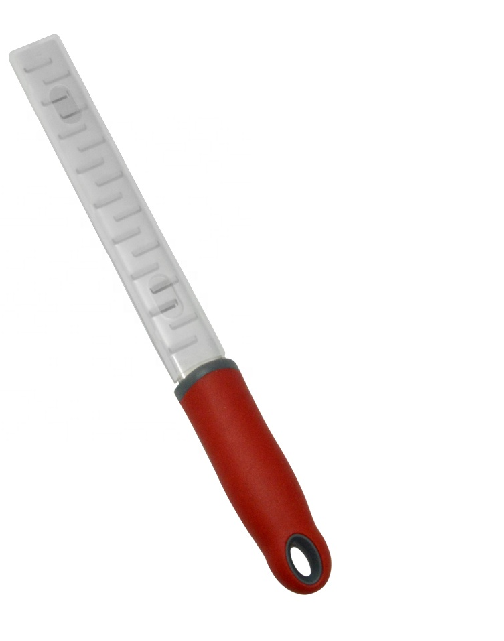
Stainless steel kitchen graters for sale usually fall into several common formats. Each has a different buyer profile and use case. Handheld graters are compact and suitable for cheese, citrus zest, ginger, garlic, chocolate, and small vegetables. Box graters offer multiple grating surfaces and are useful for larger food preparation. Flat graters are easy to store and can work well in lower-cost retail assortments. Rotary graters are often selected for table service or controlled cheese grating.
When comparing options, buyers should not assume that all stainless steel graters perform the same way. Blade sharpness, hole shape, handle grip, frame rigidity, and cleaning convenience all affect the end-user experience. For wholesale purchasing, it is sensible to request samples and test them with common ingredients such as hard cheese, carrots, citrus peel, and chocolate before confirming a bulk order.
Supplier Comparison Checklist
The table below can help purchasing teams compare stainless steel grater manufacturers and trading suppliers in a structured way.
| Evaluation Point | What to Check | Questions to Ask the Supplier |
|---|---|---|
| Product range | Handheld, box, flat, rotary, and specialty grater options | Which models are standard, and which require customization? |
| Material information | Stainless steel parts, handle materials, and surface finishing | What material details can be documented for this model? |
| Usability | Sharpness, comfort, stability, storage, and cleaning | Can samples be tested before order confirmation? |
| Packaging | Retail box, hang tag, color sleeve, bulk packing, or private label | What packaging formats are available for wholesale orders? |
| Quality control | Inspection process, defect handling, and shipment checks | What checks are performed before goods are shipped? |
| Commercial terms | MOQ, lead time, payment terms, and carton details | What are the current order requirements for this item? |
How to Assess Stainless Steel Grater Manufacturers
Working with stainless steel grater manufacturers can be useful when buyers need product development, packaging customization, or consistent replenishment. However, buyers should verify the manufacturer’s actual capabilities rather than relying only on product photos. Ask whether tooling changes, handle color changes, logo application, or packaging design support are possible. Also confirm who owns any molds or artwork if custom development is involved.
For private-label and OEM projects, clarity is essential. Buyers should prepare a specification sheet covering dimensions, product weight target, handle material, packaging style, logo placement, carton requirements, and inspection criteria. If these details are left open, the supplier may make reasonable choices that do not match the buyer’s market expectations.
Quality Details That Affect Real Kitchen Performance
A stainless steel grater must be sharp enough to cut cleanly without forcing the user to apply excessive pressure. At the same time, the product should feel stable and safe in the hand. The original article mentions rust resistance, easy maintenance, non-reactive blades, ergonomic handles, safe storage features, adjustable grating sizes, and non-slip bases as desirable features. Buyers should treat these as selection points to confirm on each model rather than universal guarantees.
Before placing a larger order, review the following practical details:
- Check whether the grating surface is evenly formed, without rough burrs in areas that contact the hand.
- Test whether the handle feels secure when grating firm foods such as carrots or hard cheese.
- Confirm whether the base or frame bends under normal pressure.
- Ask how the product should be cleaned and whether any care instructions are included.
- Review packaging strength if the product will be sold through e-commerce or shipped individually.
Wholesale and OEM Buying Guidance
For wholesale kitchen tools, the best supplier is often the one that prevents misunderstandings early. Request a quotation that separates product cost, packaging cost, sample cost, tooling or logo charges if any, carton packing information, and estimated lead time. Ask whether the quoted product is exactly the same as the sample, and keep an approved sample for comparison during pre-shipment inspection.
If the order is for retail distribution, buyers may need product labeling, barcode placement, language requirements, and packaging artwork support. If the order is for restaurants or catering supply, durability, easy cleaning, and repeat availability may matter more than decorative packaging. If the product is for a promotional set, weight, presentation, and logo visibility may drive the final selection.
Buyers should avoid making decisions only from catalog images. A stainless steel kitchen grater is a tactile product. Small differences in blade pattern, handle angle, and frame thickness can change user satisfaction. Testing samples under realistic use is one of the most effective ways to reduce sourcing risk.
Key Takeaways
- A stainless steel grater supplier should be evaluated on product knowledge, samples, quality control, packaging support, and communication.
- Different grater formats serve different markets, including retail, food service, e-commerce, and private-label programs.
- Do not assume material grade, certifications, MOQ, or lead time; ask the supplier to confirm details for the exact model.
- Sample testing with real ingredients helps reveal sharpness, comfort, stability, and cleaning performance.
- For OEM projects, prepare a written specification sheet before confirming price and production.
FAQ for Stainless Steel Grater Sourcing
What should I ask a stainless steel grater supplier first?
Start with the product range, available samples, material information, packaging options, MOQ, lead time, and quality control process. These questions quickly show whether the supplier can support wholesale or OEM needs.
Are all stainless steel kitchen graters rust resistant?
Stainless steel is generally chosen for corrosion resistance, but performance depends on material, finishing, use environment, and care. Ask the supplier for material details and recommended cleaning instructions for the exact product.
Which grater type is best for wholesale buyers?
There is no single best type. Handheld graters are compact and versatile, box graters offer multiple surfaces, flat graters are easy to merchandise, and rotary graters serve more specific uses. Choose based on your sales channel and target user.
Can stainless steel grater manufacturers support private label packaging?
Some manufacturers and suppliers may support logo placement or custom packaging, but buyers should confirm artwork requirements, costs, lead time, ownership of design files, and minimum order requirements before proceeding.
How can buyers reduce quality risk before bulk shipment?
Approve a physical sample, define inspection criteria, confirm packaging details, and consider a pre-shipment inspection. Keep written records of the agreed product version so the delivered goods can be checked against the approved sample.
