




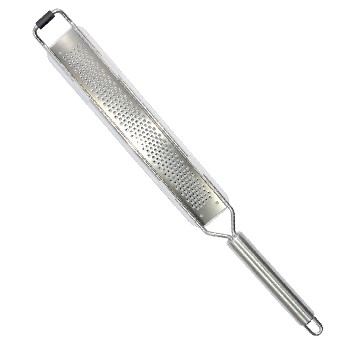
How to Choose a Stainless Steel Grater Supplier for Multi-Blade Kitchen Tools
For importers, wholesalers, kitchenware brands, and promotional product buyers, a stainless steel grater is a small item with many sourcing details. The end user expects sharp cutting surfaces, comfortable handling, easy cleaning, and reliable performance across cheese, vegetables, citrus zest, ginger, and garlic. The buyer, however, must also think about packaging, consistency, replacement parts, labeling, inspection, and how the supplier communicates before production.
The original product focus is a Multiple Blade Grater with six interchangeable stainless steel blades and a black rubber grip. Those details make it suitable for buyers seeking a versatile kitchen grater rather than a single-purpose zester or box grater. This guide explains how to evaluate that type of product and what to ask a stainless steel grater supplier before placing a wholesale or OEM order.
Key Takeaways
- A multi-blade grater should be evaluated as a complete set, not only by the sharpness of one blade.
- Confirm which blade patterns are included, such as fine grating, medium shredding, large holes, slicing, garnish cuts, and ginger or garlic preparation.
- Ask suppliers for material, cleaning, packaging, and inspection details instead of assuming specifications that are not stated.
- Comfort features, such as a black rubber grip, can affect repeat use and customer satisfaction.
- For B2B sourcing, request samples and define acceptable quality criteria before bulk production.
What Makes a Multi-Blade Grater Useful?
A multi-blade grater is designed to cover several kitchen preparation tasks with one handle or frame. In the product described, six interchangeable stainless steel blades are included. The stated blade uses include fine grating for citrus zest or hard cheeses, a medium shred for cheeses, large holes for potatoes, a wide-slit design for vegetable ribbons, an asymmetric blade for decorative garnishes, and a specialized blade for ginger and garlic.
This range matters for retail buyers because it gives shoppers a clear reason to choose the product over a basic flat grater. It can be positioned for home cooks, meal-prep users, small foodservice kitchens, and gifting categories. For wholesale programs, versatility can also simplify inventory by replacing several single-use SKUs with one bundled product.
Supplier Questions Buyers Should Ask First
Before discussing price, buyers should confirm what is actually included in the supplier's offer. A stainless steel grater supplier may show similar photos while offering different blade counts, handle materials, packaging, or accessories. Clear written confirmation reduces the risk of disputes later.
- How many blades are included in the standard set?
- What are the functions of each blade, and can the supplier provide labeled photos?
- What material is used for the blades, frame, grip, and any storage components?
- Is the black rubber grip part of the standard design or an optional variation?
- What packaging formats are available for retail, e-commerce, or bulk distribution?
- Can the supplier support private label artwork, barcode placement, or instruction inserts?
- What cleaning instructions should be printed on the package or user guide?
- What quality checks are performed before shipment?
Comparison Checklist for Sourcing Stainless Steel Kitchen Graters
Use the table below when comparing quotations from different stainless steel grater manufacturers or trading partners. It keeps the discussion focused on practical buying criteria instead of vague claims.
| Checklist Item | Why It Matters | Question to Ask the Supplier |
|---|---|---|
| Blade count and functions | Confirms whether the set matches the advertised multi-use value | Can you list and photograph all six interchangeable blades? |
| Stainless steel components | Affects durability, cleaning, and customer expectations | Which parts are stainless steel, and what material details can you provide? |
| Grip design | Comfort and control are important during repetitive grating | Is the black rubber grip included in the quoted model? |
| Blade fit and stability | Loose parts can create poor user experience and safety concerns | How is blade locking or attachment checked during inspection? |
| Cleaning guidance | Retail buyers need accurate care instructions | What cleaning method do you recommend for this model? |
| Packaging and labeling | Important for retail shelves, online fulfillment, and private label programs | Can packaging be customized, and what files are required? |
| Sample approval | Prevents surprises in bulk production | Can you provide pre-production samples for confirmation? |
Quality Details to Review on Samples
Sample review should go beyond a quick visual check. Test every blade with the foods it is intended to handle. Fine grating should produce small, usable shavings from citrus peel or hard cheese. Medium and large holes should cut cleanly without excessive tearing. A slicing blade should create reasonably even pieces. A ginger and garlic blade should process fibrous ingredients without clogging too quickly.
Also check how the interchangeable blades are stored, inserted, and removed. Edges should be handled with care during normal use, but the design should not feel awkward or unstable. If the product is intended for retail, packaging should explain blade functions clearly so customers understand the value of the set.
OEM and Wholesale Considerations
For OEM or private label sourcing, do not rely only on a catalog description. Ask whether logo placement, instruction sheets, retail boxes, color variations, or bundled accessories are available. If you need a specific carton size, barcode format, warning statement, or language version, raise those points before quotation approval.
Commercial terms should be handled carefully. Instead of assuming minimum order quantity, lead time, testing, or compliance support, ask the supplier to confirm them in writing. Buyers should also clarify sample fees, tooling or artwork charges if applicable, payment terms, production timeline, shipment method, and responsibility for final inspection. These details are part of supplier quality because they affect whether the order can be delivered consistently.
Positioning the Product for End Users
A stainless steel kitchen grater with six interchangeable blades can be marketed around practical preparation tasks. Retail copy should stay specific: zest citrus, grate hard cheese, shred softer cheese, prepare potatoes, slice vegetables into ribbons, make decorative garnishes, and process ginger or garlic. That is more credible than broad lifestyle claims.
For online listings, include clear images of each blade and name its function. If the grip is black rubber, show it in close-up because comfort is a useful purchase factor. If cleaning instructions are available from the supplier, include them accurately in the listing and packaging. Precise content helps reduce returns caused by misunderstood use.
Care and Use Guidance to Include
Even in B2B sourcing, the final product should help consumers use the grater correctly. Include basic care guidance such as washing before first use, handling sharp blades carefully, cleaning soon after grating sticky foods, and storing loose blades safely. Only claim dishwasher suitability if the supplier confirms it for the exact model being ordered. If dishwasher cleaning is not confirmed, recommend hand washing in the user instructions.
Buyers should also consider whether the product needs a protective sleeve, blade holder, or warning label. These small details can improve the user experience and reduce complaints, especially for e-commerce customers who expect complete information when the item arrives.
Practical FAQ
What should I verify before choosing a stainless steel grater supplier?
Verify blade count, blade functions, material details, grip design, packaging options, sample availability, inspection process, and written commercial terms. For a multi-blade grater, confirm that all six blades shown in marketing materials are included in the quoted product.
Is a six-blade grater better than a single grater?
It depends on the sales channel and customer need. A six-blade grater offers more functions in one set, which can suit retail and gift programs. A single grater may be better for buyers who want a lower-complexity item focused on one task.
Can this type of grater be used for cheese, vegetables, ginger, and garlic?
The described Multiple Blade Grater includes blades for fine grating, medium shredding, large-hole grating, vegetable ribbons, decorative garnishes, and ginger or garlic. Buyers should test samples with the intended foods before confirming bulk orders.
What information is needed for private label packaging?
Prepare logo files, packaging dimensions if required, barcode details, language requirements, product care text, warning statements, and any retailer-specific layout rules. Ask the supplier what artwork format and approval process they use.
Should I ask for compliance documents?
Yes, but do not assume availability. Requirements depend on the destination market and sales channel. Ask the supplier what documents, material declarations, or test reports they can provide for the exact product and order.
Final Sourcing Advice
A good stainless steel grater supplier should help buyers understand the product in detail, not just provide a low quote. For a Multiple Blade Grater, the most important checks are blade function, handling comfort, attachment stability, packaging clarity, and care instructions. Start with a sample, test each blade, document your approval criteria, and confirm all commercial details before production. That approach gives wholesalers and OEM buyers a better chance of receiving a product that matches both listing claims and customer expectations.
