




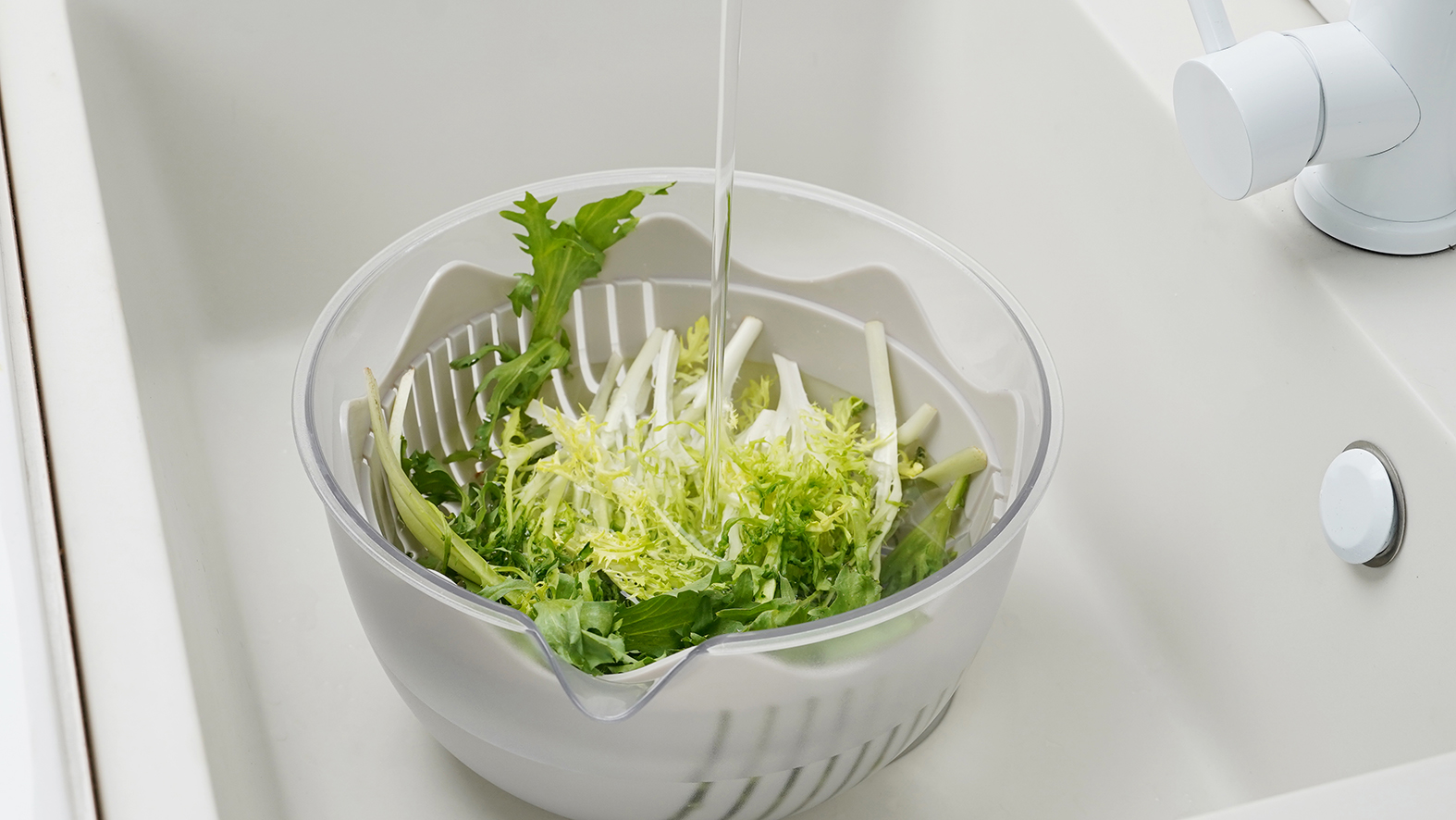
Top Vegetable Cutting Basket Manufacturer for Quality
Choosing a vegetable cutting basket manufacturer is not only about finding a low unit price. For importers, wholesalers, kitchenware brands, and retail buyers, the better question is whether a supplier can deliver consistent product quality, practical design, clear communication, and suitable packaging for your market. A vegetable cutting basket is a daily-use kitchen item, so small details such as drainage, edges, stability, cleaning convenience, and packing protection can strongly affect customer satisfaction.
The original article highlighted the value of sourcing from a reputable kitchenware supplier and noted that a manufacturer’s wider catalog can reveal its design standards. That idea is useful for B2B buyers: a factory that pays attention to finishing, usability, and maintenance across different kitchen products may be better prepared to support custom or wholesale projects. However, buyers should still verify every claim with samples, specifications, and written order details.
Key Takeaways
- Do not judge a vegetable cutting basket factory by photos alone; request samples and inspect finishing, stability, and cleaning convenience.
- Ask clear questions about materials, dimensions, packaging, customization, lead time, and quality control before confirming an order.
- Review the supplier’s broader kitchenware catalog to understand design consistency, but avoid assuming the same features apply to every product.
- For OEM or wholesale sourcing, document all product requirements in writing, including labeling, carton packing, and acceptable quality limits.
What Defines a Quality Vegetable Cutting Basket Manufacturer?
A strong manufacturer should understand both the functional and commercial expectations behind kitchenware. A vegetable cutting basket may be used for washing, draining, cutting preparation, or temporary food storage, depending on its design. Because usage varies, buyers should confirm the intended function instead of relying on a general product name.
Important signs of a professional supplier include organized product information, responsive sales communication, willingness to provide samples, and the ability to answer technical questions without vague promises. If the basket is promoted for food contact use, buyers should ask what material is used and what compliance documents are available for the target market. Do not assume a material grade, certification, or test result unless the supplier provides documentation.
Product Details Buyers Should Confirm
Before comparing quotations, create a product checklist. This helps prevent misunderstandings between similar-looking baskets. A quote is only meaningful when all suppliers are pricing the same or comparable requirements.
| Item to Check | Why It Matters | Questions to Ask the Supplier |
|---|---|---|
| Material | Affects durability, food contact suitability, weight, and price. | What material is used? Can you provide material information or compliance documents? |
| Size and capacity | Impacts retail positioning, carton size, and user convenience. | What are the exact dimensions and tolerances? Are other sizes available? |
| Edges and finish | Rough edges can create poor user experience and returns. | How is the edge finished? Can close-up sample photos be provided? |
| Drainage or cutting function | Defines how the product will be marketed and used. | Is it designed for rinsing, draining, cutting preparation, or multiple functions? |
| Packaging | Protects the product and affects shelf presentation. | What packing options are available? Can custom labels or retail packaging be supported? |
| Quality control | Reduces shipment risk for wholesale orders. | What inspections are performed before shipment? Can inspection criteria be agreed in writing? |
Using a Supplier’s Wider Catalog as a Quality Signal
A supplier’s related kitchenware products can provide clues about its design approach. The original article mentioned an Elegance Dome Server as an example from the broader catalog. It described a creamy white ceramic body with subtle carved vertical lines, plus an azure blue lid with a radiating fan pattern. It also stated that the ceramic server is suitable for presenting fresh salads and warm dishes, and that it is microwave and dishwasher safe.
Those details are useful because they show attention to appearance and everyday maintenance in at least one product line. Still, buyers should not transfer those facts to a vegetable cutting basket unless the supplier confirms them for that exact item. A ceramic dome server and a vegetable cutting basket have different use cases, materials, and quality risks. Treat the wider catalog as a starting point for evaluating design culture, not as proof of performance for every SKU.
OEM and Wholesale Sourcing Questions
If you are sourcing for a private label, chain store, distributor, or promotional project, ask the manufacturer structured questions early. This saves time and reduces the risk of receiving a quote that does not match your business model.
- Can the basket be customized in size, color, logo placement, or packaging?
- What information is needed to quote an OEM version accurately?
- What is the sample process, and are pre-production samples available?
- What are the payment terms, production lead time, and shipment options?
- What is the minimum order quantity for standard products and for customized orders?
- Can the supplier provide product photos, instruction text, barcode labels, or neutral packaging if required?
- What documents can be provided for customs, import, or retailer review?
These questions do not imply that every manufacturer offers all services. They help buyers identify whether the supplier’s capabilities align with the project before investing in development time.
Sample Review: What to Inspect Before Ordering
Samples are essential for a daily-use kitchen product. When the sample arrives, evaluate it as a customer would. Check whether it feels stable on a flat surface, whether the edges are comfortable to touch, and whether water drains as expected if drainage is part of the design. If the basket is intended to pair with a cutting board or other kitchen accessory, confirm fit and movement during use.
Also inspect packaging. A good product can still create losses if the retail box crushes easily or if bulk cartons are not suitable for long-distance transport. Ask the supplier how the product will be packed for export and whether drop protection, inner bags, dividers, or carton markings can be adjusted. For larger orders, buyers may also arrange third-party inspection based on agreed criteria.
Communication and Documentation Matter
Reliable sourcing depends on clear documentation. Every quotation should list the product name, model or reference number, dimensions, material description, color, packaging method, order quantity, delivery terms, and any customization. If a supplier only gives a short price without details, ask for a complete quotation sheet.
For OEM projects, prepare drawings, reference photos, packaging artwork, or written specifications. Confirm which version of the sample is approved for production. If changes are made after sampling, record them clearly. This protects both buyer and supplier and reduces disputes when the bulk goods are inspected.
Practical FAQ
How do I compare two vegetable cutting basket suppliers?
Compare the same specifications: material, size, finish, packaging, order quantity, and delivery terms. A lower price may reflect different materials, lighter construction, simpler packaging, or fewer services.
Should I request a sample before placing a wholesale order?
Yes. A sample allows you to check appearance, usability, stability, finishing, and packaging. For custom orders, ask whether a pre-production sample can be approved before mass production.
Can I assume a basket is food safe if it is kitchenware?
No. Ask the supplier for material details and any available documents required by your sales market. Requirements vary by country, retailer, and product type.
What if I need private label packaging?
Ask whether the manufacturer supports logo application, printed labels, color boxes, instruction inserts, or barcode stickers. Confirm artwork format, extra cost, lead time, and approval steps.
How can I reduce quality risk in bulk orders?
Use written specifications, approve samples, define packaging, and agree on inspection standards. For important shipments, consider a pre-shipment inspection before the goods leave the factory.
