




Top Water Filtering Basket Supplier: Enhance Kitchen Efficiency
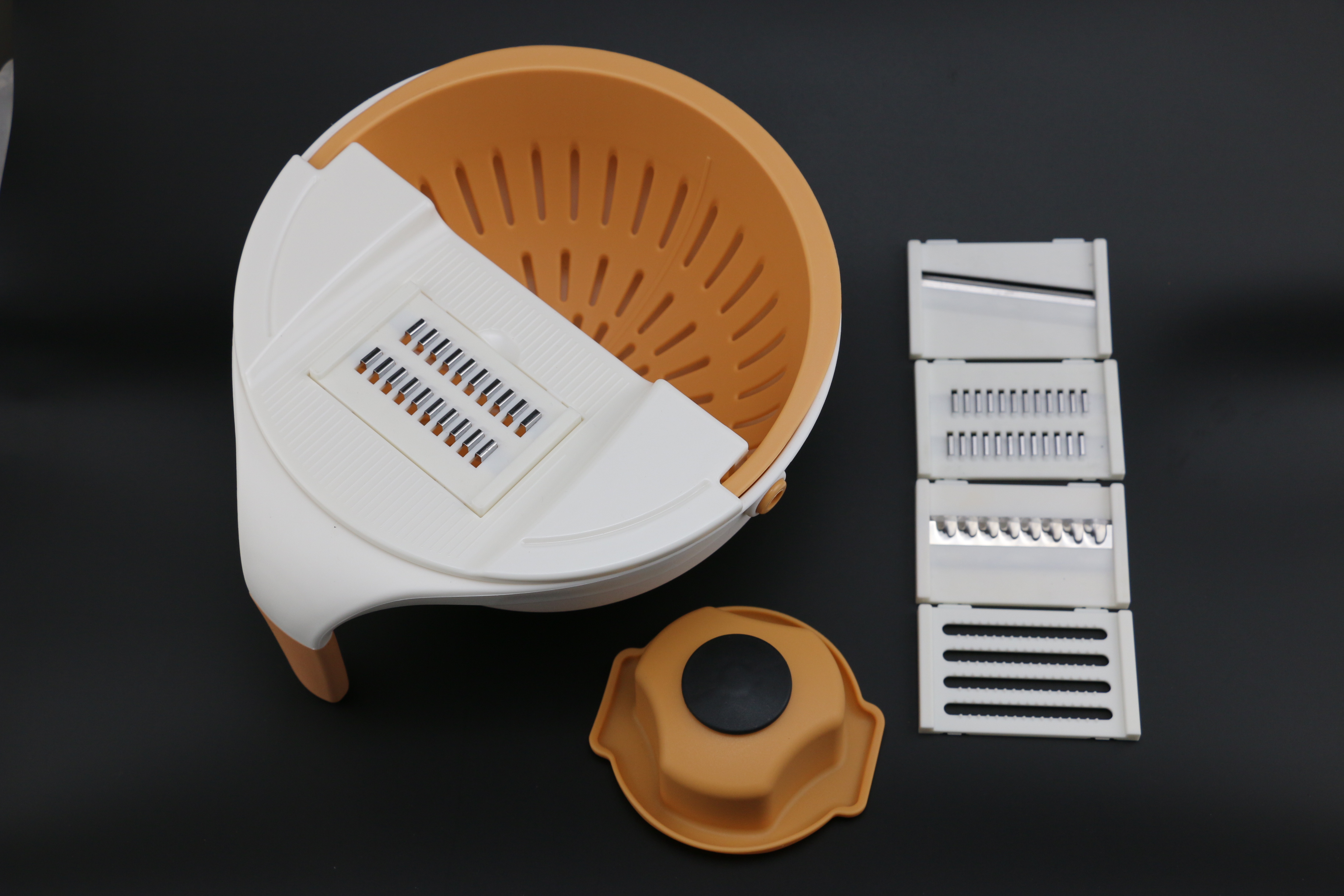
For retailers, distributors, importers, and private-label buyers, a water filtering basket is a small kitchen tool with a clear daily purpose: rinsing produce, draining water, and helping users prepare ingredients faster. The original product concept described here combines a filtering basket with vegetable cutting functions, including a bowl that can double as a colander, interchangeable blade inserts, a protective food holder, an ergonomic handle, and a white exterior with an orange interior. For B2B buyers, the key question is not only whether the item looks useful, but whether the supplier can support consistent quality, clear communication, practical packaging, and repeatable production.
This guide explains how to evaluate a water filtering basket supplier or vegetable cutting basket supplier without relying on vague claims. It focuses on sourcing questions, product-selection criteria, and inspection points that can help you build a kitchen accessories program with fewer surprises.
Key Takeaways
- A good water filtering basket supplier should provide clear product details, sample support, packaging options, and quality-control answers before bulk orders.
- For slicer-and-filter basket sets, buyers should carefully review blade safety, stability, food holder design, ease of cleaning, and user instructions.
- Do not assume material grade, certifications, or compliance status unless the supplier provides documents and test reports relevant to your market.
- Retail success depends on practical usability: draining performance, comfortable handling, simple assembly, and storage-friendly packaging.
What Buyers Should Expect From a Water Filtering Basket Supplier
A water filtering basket supplier should be able to explain the product’s function in a practical way. The basket may be used for washing vegetables, draining pasta or fruit, and preparing ingredients before cooking. If the product is part of a multifunctional slicer set, the supplier should also describe how the bowl, colander function, blade inserts, and protective holder work together.
Before placing a wholesale or OEM order, ask for a full product specification sheet. If the supplier cannot provide confirmed dimensions, product weight, carton details, component list, and available colors, it may be difficult to plan shipping, shelf display, or e-commerce listings. If materials, food-contact suitability, or compliance documents are important for your market, request written evidence rather than verbal assurance.
Evaluating Vegetable Cutting Basket Supplier Solutions
The original article mentions a multifunctional kitchen slicer set with a sturdy bowl that doubles as a colander, a white exterior with an orange interior, adjustable blades, interchangeable blade inserts, a protective food holder, and an ergonomic handle. These are useful selling points, but B2B buyers should verify how each feature performs in real use.
For example, adjustable or interchangeable blades can make the product more versatile for carrots, cucumbers, potatoes, and similar vegetables. However, they also increase the need for safe storage, clear instructions, and consistent component fit. A protective food holder is especially important because consumers may use the slicer for thin slices, julienne strips, shredding, or garnishing. Ask the supplier whether the food holder is included in the standard set, how it is packed, and whether replacement parts are available.
Comparison Checklist for Supplier Selection
Use the following table to compare potential suppliers. It is designed for sourcing teams, product managers, and wholesale buyers who need to evaluate more than price.
| Evaluation Area | What to Check | Questions to Ask the Supplier |
|---|---|---|
| Product Function | Rinsing, draining, slicing, shredding, and holding stability | Can you provide samples for practical use testing? |
| Components | Bowl, colander function, blade inserts, food holder, handle | Which parts are included in the standard package? |
| Safety | Blade handling, food holder, user instructions, packaging warnings | What safety guidance is included with the product? |
| Materials | Declared material type and food-contact documentation if required | Can you provide material declarations or relevant test reports? |
| Packaging | Retail box, color box, label, barcode, carton strength | What packaging options are available for wholesale or OEM orders? |
| Quality Control | Fit of blade inserts, basket drainage, handle strength, visual defects | What inspection steps are used before shipment? |
| Commercial Terms | MOQ, lead time, payment terms, sample cost, spare parts | What are the current order requirements and production timeline? |
Product Details That Matter in Daily Use
A kitchen tool becomes easier to sell when its value is obvious to the end user. In this product category, buyers should examine a few practical details during sample testing. First, check whether the filtering holes drain efficiently without trapping too much food residue. Second, test the bowl’s stability on a flat surface while slicing. If the basket or bowl shifts during use, customers may consider the product inconvenient or unsafe.
Third, evaluate the handle. The original description notes an ergonomic handle for a firm grip. In sample testing, try holding the basket when it is empty and when it contains rinsed produce. The grip should feel secure, and the handle should not flex excessively. Fourth, review cleaning. Interchangeable blade inserts can collect food particles, so the design should allow users to rinse components without complicated disassembly.
OEM and Wholesale Questions to Ask Before Ordering
If you are sourcing for retail, online marketplace sales, supermarket promotions, or kitchenware distribution, clarify commercial and customization details early. Do not assume a supplier offers every OEM service unless it is confirmed. Useful questions include:
- Can the product color be customized, or is the white exterior with orange interior the standard option?
- What is the minimum order quantity for standard products and customized packaging?
- Can the supplier provide product photos, instruction manuals, or neutral packaging files for review?
- Are barcodes, carton marks, warning labels, or language-specific instructions available?
- What is the sample lead time and expected mass production lead time?
- How are sharp blade inserts protected during packing and shipping?
- What documents can the supplier provide for food-contact or market compliance requirements?
These questions help separate a general kitchen accessories supplier from one that is prepared to support repeat B2B orders. Clear answers also reduce the risk of delays when your team prepares listings, import documents, or retail planograms.
Quality Inspection Points for Slicer and Filter Basket Sets
Before approving a shipment, create a simple inspection checklist. The product should match the confirmed sample in color, component count, appearance, and packaging. Blade inserts should fit securely, and the protective food holder should be present if it is part of the agreed set. The bowl or basket should sit flat, and the filtering function should be free from blocked or poorly finished holes.
Visual checks are also important. Look for rough edges, stains, cracks, loose parts, damaged retail boxes, and inconsistent color. For products with blades, inspect whether the sharp parts are safely covered or positioned to reduce accidental contact during unboxing. If your destination market requires specific labeling or testing, verify this before shipment rather than after the goods arrive.
Positioning the Product for Retail and E-Commerce
A water filtering basket with vegetable cutting functions can be positioned as a compact prep tool for salads, meal preparation, and everyday vegetable processing. However, the product page or retail packaging should stay accurate. If a feature has not been verified, avoid overpromising. Instead of broad claims, use specific wording such as “designed for rinsing and draining produce” or “includes interchangeable blade inserts for different cutting tasks” when those details match the confirmed product.
For online sales, clear photography and instructions are especially important. Show the bowl, colander function, blade inserts, protective holder, and handle. If the product comes in multiple configurations, identify the exact version included in the package. This reduces customer confusion and helps lower return rates.
FAQ: Sourcing Water Filtering Baskets and Kitchen Accessories
What is a water filtering basket used for?
It is commonly used to rinse vegetables, fruit, and other ingredients, then drain away water before cooking or serving. Some designs also work as part of a bowl-and-colander preparation set.
How is a vegetable cutting basket different?
A vegetable cutting basket set may combine draining with slicing or shredding accessories. The original product description includes adjustable blades, interchangeable blade inserts, and a protective food holder, but buyers should confirm the exact configuration before ordering.
What should B2B buyers verify before bulk purchase?
Buyers should verify component list, dimensions, packaging, sample quality, blade safety, material declarations, compliance documents if needed, MOQ, lead time, and after-sales support for defective or missing parts.
Can this type of kitchen accessory be customized for private label?
It may be possible, but customization should be confirmed with the supplier. Ask about color options, logo methods, packaging design, instruction language, barcode requirements, and any MOQ differences for OEM orders.
How can buyers reduce quality risks?
Approve a physical sample, create a written specification, confirm packaging details, inspect pre-shipment goods, and require the supplier to answer safety and documentation questions in writing.
Final Sourcing Advice
Choosing a water filtering basket supplier is not just about finding a low unit price. A practical supplier should help you understand the product configuration, verify safety-related details, prepare suitable packaging, and maintain consistent quality across repeat orders. For multifunctional slicer and colander sets, pay special attention to blade handling, bowl stability, drainage performance, and cleaning convenience. With a clear checklist and careful sample review, buyers can select kitchen accessories that are easier to market, easier to explain, and more reliable for everyday kitchen use.
