




Top Water Filtering Basket Supplier for Kitchens
Choosing a water filtering basket supplier is not only about finding a low-cost kitchen item. For retailers, distributors, importers, and private-label buyers, the right supplier should help deliver a product that is practical, consistent, easy to use, and suitable for the target market. A water filtering basket is a simple tool, but it touches daily food preparation: rinsing vegetables, draining fruit, holding cut ingredients, and keeping prep areas organized.
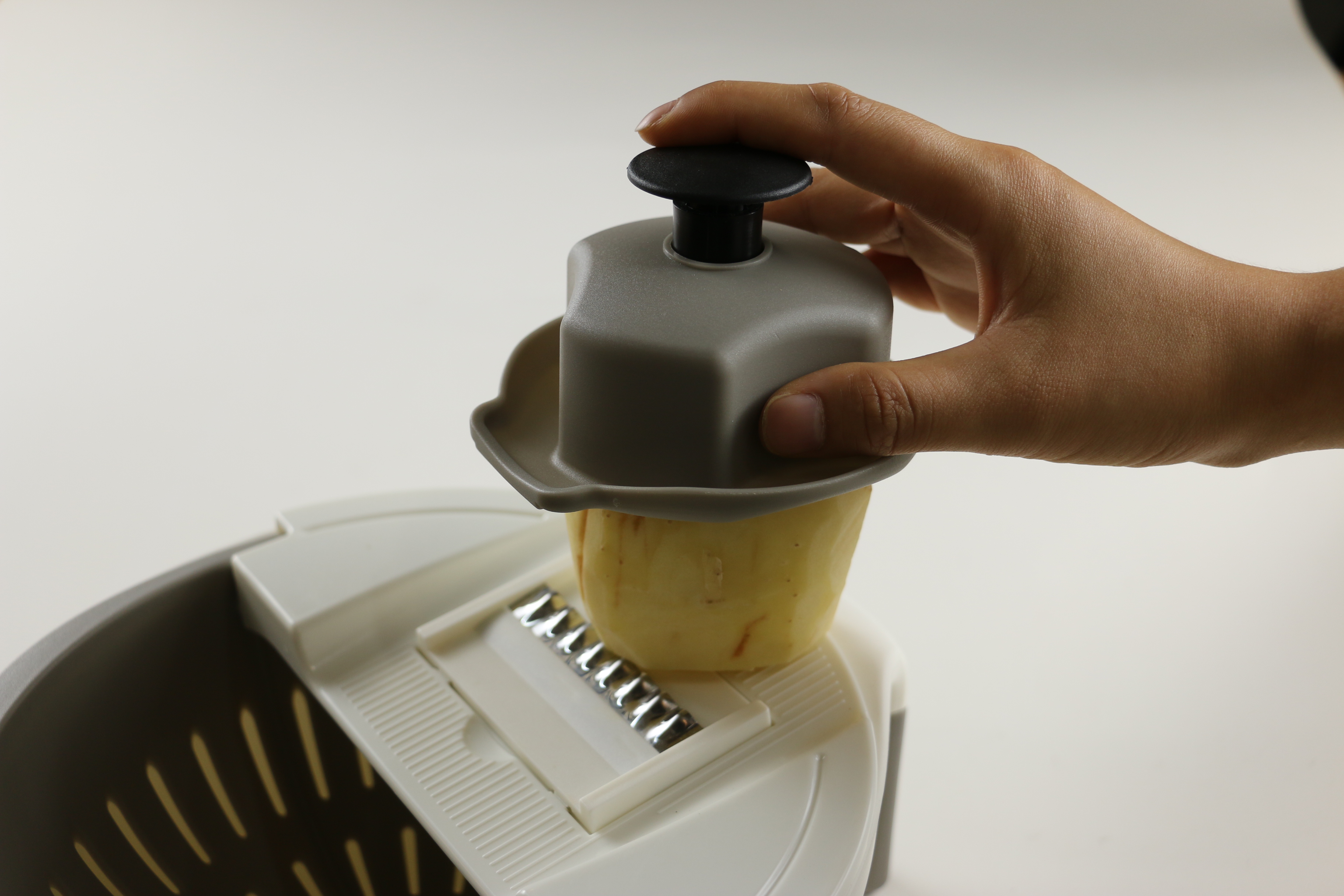
The original article introduced a multifunctional vegetable slicer and storage bowl set that combines slicing, storage, and a built-in colander function. It also noted several useful features: an orange and white two-tone design, interchangeable stainless-steel blades, options for slicing, shredding, grating, or julienning, a non-slip base, a safety holder, and a locking mechanism for securing blades. This updated guide explains how buyers can evaluate such products and compare suppliers in a more structured way.
Key Takeaways
- A water filtering basket supplier should be evaluated on product consistency, usability, packaging, quality control, and communication—not only price.
- Multifunctional sets can combine rinsing, slicing, grating, shredding, julienning, and storage, but buyers should confirm every feature with samples.
- Safety-related parts such as blade locks, non-slip bases, and hand guards deserve close inspection before wholesale purchasing.
- For OEM or private-label orders, ask clear questions about customization, materials, packaging, lead time, and inspection standards.
What a Water Filtering Basket Does in a Modern Kitchen
A water filtering basket, often used like a colander, helps rinse fruits, vegetables, herbs, and other ingredients while letting water drain away. In everyday kitchens, it can reduce mess at the sink and make ingredient preparation faster. In a multifunctional set, the filtering basket may also sit inside a bowl, allowing users to rinse, drain, and then store or transfer ingredients in one place.
For B2B buyers, this function matters because it is easy for consumers to understand. Products that solve visible kitchen tasks are usually easier to merchandise online and in-store. However, buyers should avoid assuming that every filtering basket performs equally well. Drainage hole size, basket depth, stability, edge finish, and compatibility with the bowl all affect the user experience.
Evaluating a Vegetable Cutting Basket Supplier
A vegetable cutting basket supplier may offer more than a basic draining basket. The product described in the source is a Multifunctional Vegetable Slicer and Storage Bowl Set. Its main value is integration: the user can rinse ingredients, cut them with interchangeable blades, and keep them in a storage bowl. For retailers and wholesalers, this type of product may appeal to customers who want fewer separate kitchen tools.
When sourcing this category, buyers should request product samples and test common use cases. Try slicing cucumbers, shredding carrots, grating firmer vegetables, and julienning ingredients of different sizes. Confirm whether the blade changes are intuitive, whether the safety holder is comfortable, and whether the base remains stable on a wet countertop. A product may look useful in photos, but the true sourcing test is repeated handling.
Supplier Comparison Checklist
The table below can help purchasing teams compare water filtering basket suppliers, vegetable cutting basket suppliers, and broader kitchen accessories suppliers before placing a trial order.
| Evaluation Area | What to Check | Questions to Ask the Supplier |
|---|---|---|
| Product function | Rinsing, draining, slicing, shredding, grating, julienning, and storage performance | Which functions are included in the current model, and can you provide a use demonstration or sample? |
| Blade system | Interchangeable stainless-steel blades, locking mechanism, ease of replacement | How are blades secured during use, and what inspection is done before shipment? |
| User safety | Safety holder, stable base, smooth edges, secure handling | What user instructions, warnings, or packaging notes are normally included? |
| Design and packaging | Orange and white two-tone appearance, retail presentation, carton protection | Can packaging be customized, and what artwork files or labeling details are required? |
| Commercial terms | Sample availability, MOQ, lead time, payment terms, after-sales process | What are the current MOQ, production lead time, sample cost, and replacement policy? |
Important Product Features to Verify
The original product description highlights several features that are useful for kitchen prep. Still, buyers should verify each one in the actual sample they receive. Interchangeable stainless-steel blades should fit firmly and be easy to install without excessive force. The safety holder should help keep fingers away from the blade area. The non-slip base should reduce movement during use, especially when the bowl or counter is wet.
The built-in colander function is also important. A good filtering basket should drain water efficiently while holding ingredients securely. If the holes are too large, small foods may fall through. If they are too small or poorly placed, drainage may be slow. For e-commerce listings, these details often influence customer reviews, so buyers should test them before committing to a large order.
How to Source for Wholesale, Retail, or OEM Programs
For wholesale or OEM sourcing, communication is as important as the product itself. A reliable kitchen accessories supplier should be able to answer practical questions clearly. Buyers should ask whether the product is available as a standard item, whether color adjustments are possible, and whether packaging can be adapted for online retail, supermarket shelves, or promotional sales.
Do not assume commercial details that are not provided. Instead, ask for written confirmation of MOQ, unit packing, carton size, gross weight, production lead time, and sample schedule. If your market requires specific compliance documentation, ask the supplier what documents are available and whether third-party testing can be arranged. Avoid relying on general claims; request product-specific evidence when compliance, food contact suitability, or labeling rules matter.
Quality Control Points Before Shipment
Kitchen preparation tools are handled frequently, washed often, and used near sharp edges. Before shipment, buyers should define a quality checklist. Confirm appearance, color consistency, blade fit, locking performance, bowl alignment, drainage function, packaging condition, and the presence of instructions or warnings. For a multifunctional set, also check that all accessories listed in the purchase order are included.
It is wise to inspect both assembled and unassembled parts. Move the slicer parts through normal user actions: insert the blade, lock it, use the holder, remove the blade, rinse the basket, and place the pieces back into the bowl. A practical inspection can reveal problems that a visual check may miss.
Practical FAQ
Is a water filtering basket the same as a colander?
They are similar in purpose. Both help rinse and drain ingredients. In a multifunctional kitchen set, the filtering basket may be designed to fit inside a bowl and work together with slicing or storage components.
What should buyers confirm before ordering a multifunctional slicer bowl set?
Confirm the included blades, blade material as stated by the supplier, locking mechanism, safety holder, base stability, drainage performance, packaging, MOQ, lead time, and any required market documentation.
Are interchangeable blades worth sourcing?
They can add value because one set may support slicing, shredding, grating, and julienning. However, buyers should test blade sharpness, secure fitting, ease of cleaning, and safe handling before wholesale purchase.
Can these products be customized for private label?
Possibly, but customization should not be assumed. Ask the supplier about logo placement, color options, packaging design, barcode requirements, instruction sheets, MOQ, sample time, and extra costs.
What is the best way to choose a kitchen accessories supplier?
Start with samples, compare the actual product against your checklist, ask direct commercial and quality-control questions, and confirm all details in writing before placing a bulk order.
