




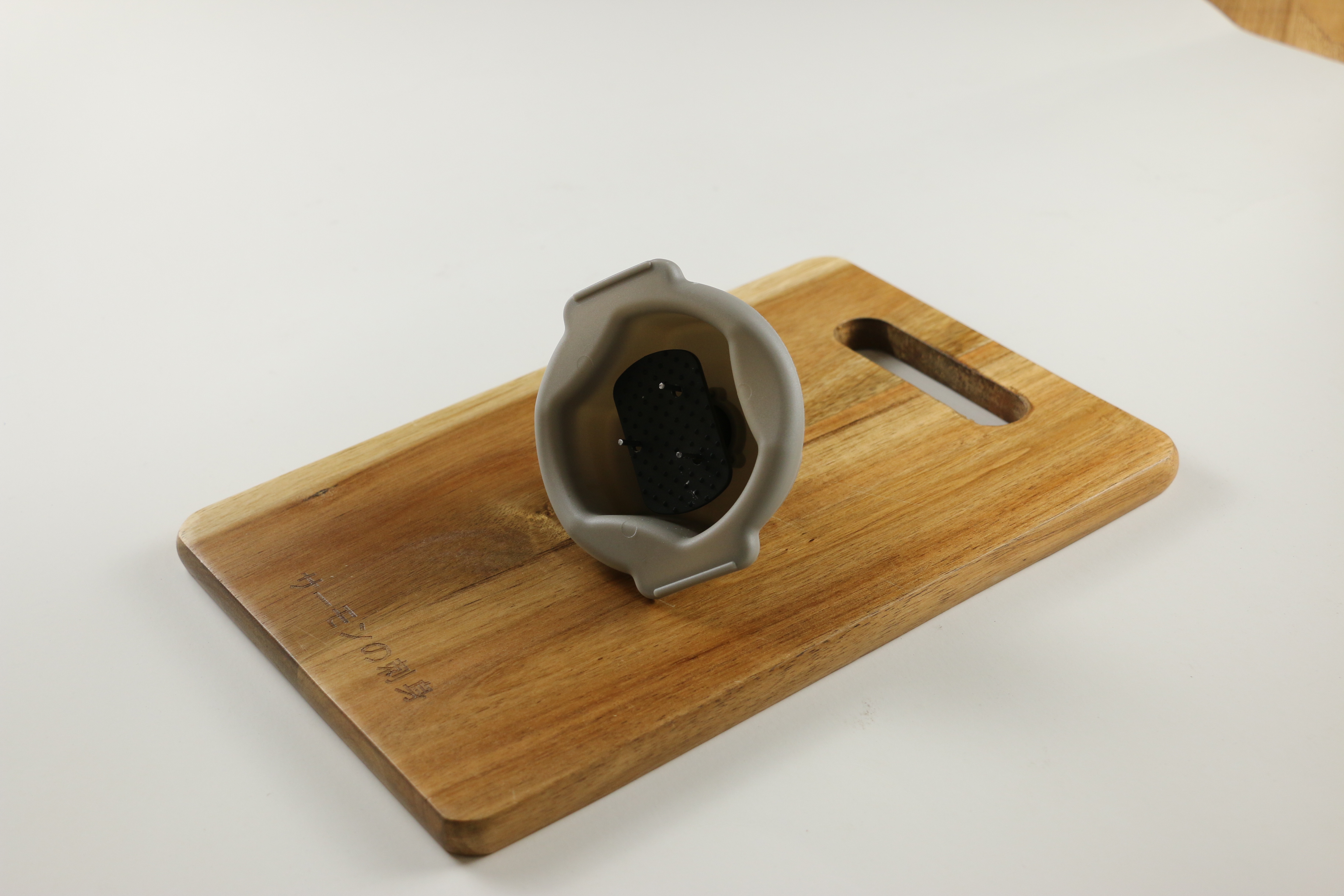
Top Water Filtering Basket Supplier in Kitchen Essentials
Choosing a water filtering basket supplier is not only about finding a product that drains water. For retailers, importers, distributors, and private-label buyers, the decision affects product usability, shelf appeal, packaging efficiency, after-sales feedback, and repeat orders. A water filtering basket may be sold as a simple colander, or it may be part of a multifunctional vegetable preparation set that rinses, drains, slices, juliennes, grates, and shreds produce in one compact system.
The original product concept combines a bowl that doubles as a colander, precise drainage slits, a white exterior, an orange interior, stainless steel blades, interchangeable cutting inserts, and an orange protective guard. These details are useful for buyers because they show the product is positioned beyond a basic strainer. However, sourcing teams should still verify all commercial and technical details directly with the supplier before placing an order.
Key Takeaways
- A good water filtering basket should drain efficiently while remaining stable during rinsing and food preparation.
- Multifunctional designs can add value, but buyers should check blade fit, guard comfort, packaging, cleaning access, and replacement-part options.
- Supplier evaluation should include material questions, sample testing, packaging review, labeling needs, and quality-control procedures.
- Avoid assuming specifications such as material grade, certifications, MOQ, or production capacity unless the supplier confirms them in writing.
What Buyers Should Expect from a Water Filtering Basket
A water filtering basket is usually used for washing vegetables, draining fruit, rinsing leafy greens, or holding ingredients after cleaning. In a multifunctional kitchen tool, the basket may also support cutting tasks by pairing with blades and a protective hand guard. This creates a product that appeals to consumers who want fewer separate tools in the kitchen.
For B2B sourcing, the main question is whether the product performs reliably in repeated use. Buyers should evaluate drainage speed, water flow direction, bowl capacity, base stability, edge comfort, blade installation, and how easily the basket can be cleaned after use. If the item includes a cutting function, the safety of the guard and the security of the blade locking system become especially important.
Comparing Simple and Multifunctional Basket Options
Not every market needs the same product. A supermarket promotion may prioritize affordability and compact packaging, while a kitchenware retailer may prefer a more complete preparation set. The table below can help sourcing teams compare common options before requesting samples.
| Product option | Best suited for | Buyer checklist |
|---|---|---|
| Basic water filtering basket | Low-cost kitchen essentials, produce washing, simple daily use | Check drainage hole design, plastic thickness, grip comfort, stacking, and carton protection. |
| Bowl and colander combination | Retailers seeking practical, space-saving kitchen tools | Confirm bowl stability, water release efficiency, edge finish, and ease of cleaning. |
| Vegetable cutting basket set | Stores selling food-prep tools with added functionality | Review blade sharpness, blade locking, protective guard design, instruction manual, and safe storage. |
| Private-label kitchen accessory | Importers, wholesalers, and brand owners | Ask about logo options, packaging artwork, barcode placement, sample lead time, inspection process, and compliance documents required for your market. |
How to Evaluate a Vegetable Cutting Basket Supplier
When a water filtering basket is combined with vegetable cutting features, supplier evaluation needs to go beyond appearance. The original product description mentions stainless steel blades for slicing, julienning, grating, and shredding, plus interchangeable blades that lock securely. These are important selling points, but buyers should test samples to confirm the user experience.
During sample review, prepare common ingredients such as carrots, cucumbers, potatoes, apples, and leafy vegetables. Check whether each blade cuts cleanly, whether food jams in the insert, and whether the basket remains steady on a countertop. The orange protective guard should be assessed for grip, comfort, and whether it keeps fingers away from the cutting surface during normal use. If the product will be sold in multiple countries, request the supplier’s available documentation and ask what labeling or warnings are recommended for the target market.
Questions to Ask Before Ordering
Because public product descriptions rarely include every detail needed for procurement, buyers should prepare a written supplier questionnaire. This reduces misunderstandings and helps compare quotations fairly.
- What materials are used for the bowl, basket, guard, and blade components?
- Can the supplier confirm the blade material and provide any available material documentation?
- What color options are available besides the white exterior and orange interior shown in the product description?
- How do the interchangeable blades lock into place, and are replacement blades available?
- What packaging formats are available for retail, wholesale, or e-commerce shipping?
- Can the supplier provide samples for functional testing before bulk confirmation?
- What are the available customization options for logo, insert card, manual, carton mark, and barcode?
- What inspection steps are used before shipment, and can third-party inspection be arranged?
- What commercial details apply to the order, including MOQ, lead time, payment terms, and delivery terms?
- What documents or test reports can the supplier provide for the buyer’s destination market?
Product Features Worth Checking in Samples
For a water filtering basket supplier, small design details can determine whether consumers keep using the product. Drainage slits should release water efficiently without trapping too much food residue. The bowl should feel balanced when filled with rinsed produce. Edges should be smooth, and the base should not slide easily during rinsing or cutting. If the basket is part of a vegetable cutting set, each blade insert should sit firmly in its slot without wobbling.
Color can also affect retail appeal. The described white exterior and vibrant orange interior create a clear visual contrast, while the orange guard makes the safety component easy to identify. Buyers planning private-label orders should ask whether color matching is possible and whether the supplier requires a minimum order for custom colors. Do not assume color customization is available unless confirmed.
Working with a Kitchen Accessories Supplier
A kitchen accessories supplier may offer related products such as colanders, cutting boards, peelers, graters, storage containers, and food-prep sets. This can be useful for buyers building a coordinated category, but it also requires careful range planning. A multifunctional water filtering and vegetable cutting basket should not duplicate too many functions already included in other items unless the price point and packaging position are clearly different.
For wholesalers and importers, consistency matters. Ask whether the supplier can maintain the same product appearance across repeat orders, including color, packaging size, blade layout, and instruction content. For e-commerce sellers, request packaging dimensions, gross weight, drop-test information if available, and product photos that accurately reflect the final shipment. For retail buyers, check shelf presentation, hang-hole or box options, and whether the consumer can understand the product functions at a glance.
Use, Care, and Consumer Guidance
Even when the article is written for sourcing teams, end-user guidance should be considered because it affects reviews and returns. A clear instruction sheet should explain how to install and remove blades, how to use the protective guard, and how to wash the basket after cutting vegetables. Consumers should be reminded to handle sharp inserts carefully and store them safely when not in use.
Cleaning access is another important point. Food particles can collect around drainage slits or blade frames, so the design should allow easy rinsing. Buyers should ask the supplier for recommended cleaning instructions and confirm whether any dishwasher-related claims are supported before printing them on packaging. If no verified claim exists, use conservative wording and encourage hand washing where appropriate.
FAQ
What is a water filtering basket used for?
It is commonly used to rinse and drain fruits, vegetables, and other ingredients. In multifunctional designs, it may also work with cutting inserts for slicing, shredding, grating, or julienning.
How is a vegetable cutting basket different from a basic colander?
A basic colander mainly drains water. A vegetable cutting basket set may include a bowl, drainage basket, interchangeable blades, and a protective guard, allowing the user to wash and prepare produce with one product system.
What should B2B buyers verify with a supplier?
Buyers should confirm materials, blade details, packaging, customization options, sample availability, inspection process, lead time, MOQ, and any documents required for the destination market.
Can buyers assume the product has specific certifications?
No. Certifications, testing results, and compliance documents should be requested from the supplier and reviewed for the buyer’s target market before any claim is used in sales materials.
Is a multifunctional basket always better than a simple one?
Not always. Multifunctional products can offer higher perceived value, but they require stronger instructions, safer blade storage, and more quality checks. The right choice depends on the target customer, price point, and sales channel.
