




How to Choose and Use a Multifunction Vegetable Slicer

A multifunction vegetable slicer is a simple kitchen tool with a practical job: helping you cut, shred, grate or slice ingredients more evenly and with less effort. For home cooks, it can make weekday salads, soup vegetables, stir-fry prep and garnishes quicker to prepare. For anyone comparing a vegetable slicer set, handheld grater or vegetable shredder, the goal should not be to buy the most complicated tool. The goal is to choose a design that matches the foods you prepare most often, feels stable in the hand and is easy to clean after use.
The original product description highlights a vegetable slicer, a handheld stainless steel grater and a tri-color multi grater set for tasks such as slicing vegetables, shredding ingredients, zesting and grating cheese. This guide explains how to evaluate those options and use them well without turning food preparation into a safety risk or a cleaning burden.
Key Takeaways
- A vegetable slicer is most useful when it creates consistent slices or shreds for salads, soups, toppings and garnishes.
- Choose the format based on your cooking habits: flat slicers, handheld graters and multi-piece grater sets each serve different needs.
- Stability, hand protection and easy cleaning matter as much as sharp cutting surfaces.
- Ask practical questions about materials, replacement parts and care instructions before buying in bulk or for frequent use.
What a Multifunction Vegetable Slicer Does Best
A good vegetable slicer helps with repetitive prep. Instead of cutting every carrot coin, cucumber slice or cabbage shred by hand, you can produce more uniform pieces with steady motion. Uniform pieces are not just attractive; they cook more evenly and mix better in salads or slaws.
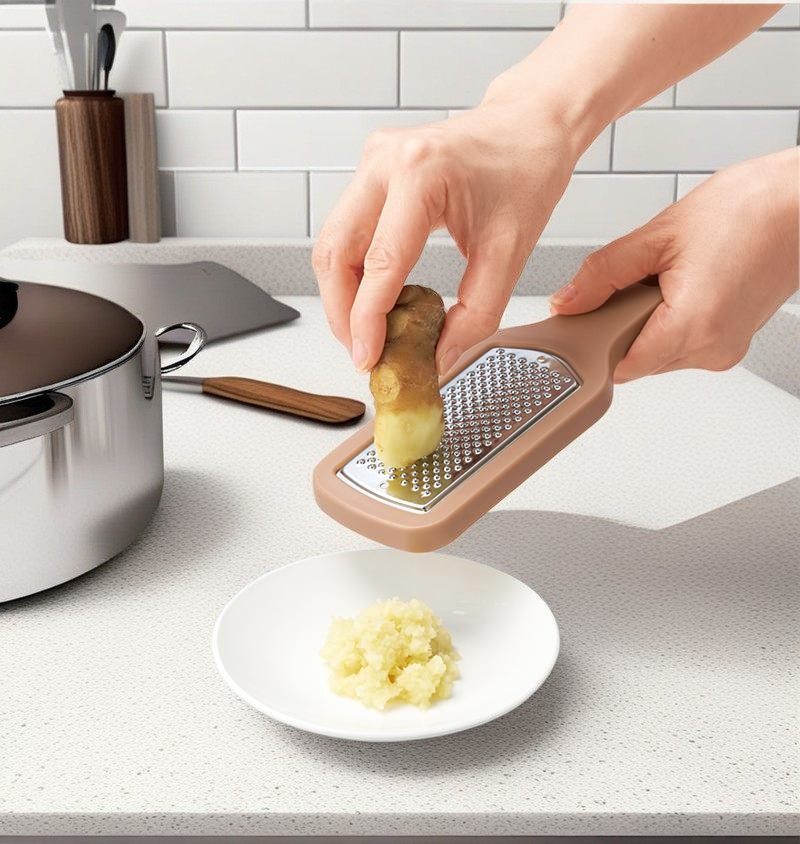
Common uses include slicing cucumbers for salads, shredding carrots for coleslaw, preparing potatoes for pan dishes, grating cheese for toppings and creating fine zest from citrus peel. A handheld stainless steel grater can be useful for cheese, spices and zest, while a multi grater set may offer different textures from fine shreds to wider slices. If your cooking routine includes many fresh vegetables, the time saved over a week can be noticeable.
Comparison: Slicer, Shredder or Grater Set?
Before choosing a product, compare the task you need with the tool shape. A single tool may handle several jobs, but each style has strengths and limitations.
| Tool type | Best for | What to check before buying |
|---|---|---|
| Flat vegetable slicer | Consistent cucumber, carrot, potato or zucchini slices | Blade protection, stable grip and whether thickness options are available |
| Vegetable shredder | Cabbage, carrots, radish and slaw-style prep | Shred size, effort required and whether food catches in the cutting area |
| Handheld grater | Cheese, citrus zest, ginger, garlic and spices | Handle comfort, cutting surface sharpness and cleaning access |
| Multi grater set | Homes that need several textures from one kit | Storage space, included pieces and whether each plate will be used often |
How to Choose the Right Vegetable Slicer
Start with your most common ingredients. If you mainly prepare salads, look for a slicer that handles cucumbers, carrots and cabbage comfortably. If you cook soups and stews, a tool that creates repeatable slices or shreds may help ingredients cook at a similar speed. If you often finish dishes with cheese, citrus peel or spices, a handheld grater may be more useful than a large slicer.
Next, consider handling. A slicer should feel secure when used on a cutting board, over a bowl or directly above a plate. Handles should be comfortable enough for repeated motion, especially when shredding firm vegetables. Compact tools are easier to store, but a very small cutting surface may slow down prep for larger batches.
Also think about cleaning. Any tool with sharp teeth or blades can trap small pieces of carrot, cheese or peel. If the slicer is difficult to rinse immediately after use, it may become a tool you avoid. Check whether the product instructions mention dishwasher suitability, hand-washing recommendations or cautions for cleaning around sharp edges. Do not assume dishwasher safety unless the supplier states it clearly.
Safe Use Tips for Everyday Prep
Vegetable slicers work because the cutting surfaces are sharp. That means speed should never come before control. Use slow, even pressure and keep fingers away from the blade path. If a hand guard, food holder or protective cover is included, use it rather than setting it aside.
- Place the slicer on a stable board, bowl or container before cutting.
- Trim vegetables so they sit flat and move smoothly across the cutting surface.
- Use light, consistent pressure instead of forcing hard ingredients.
- Stop slicing when the remaining piece becomes too small to hold safely.
- Rinse the tool soon after use so food does not dry onto the blade or grating surface.
For hard vegetables such as potatoes or carrots, controlled movement is especially important. For cheese or sticky ingredients, clean frequently to prevent clogging. When zesting citrus, remove only the colored outer peel and avoid pressing so hard that the bitter white pith is grated into the food.
Care, Cleaning and Storage
Good care extends the useful life of a vegetable slicer and keeps prep hygienic. Rinse the cutting surface immediately after use under running water, moving in the direction that avoids contact with the sharp edge. A cleaning brush can help remove bits from grater holes or shredding teeth. Avoid wiping directly across sharp blades with a loose cloth.
Dry the tool before storage, especially if it includes metal cutting parts. Store blades with a cover if one is supplied, or keep the slicer in a place where hands will not accidentally brush against the cutting edge. If you use a multi grater set, keep the plates or pieces together so the correct attachment is easy to find and less likely to be damaged in a drawer.
Questions to Ask Before Buying for Frequent Use
If you are sourcing vegetable slicers for a shared kitchen, retail range, hospitality setting or promotional product line, ask more detailed questions before placing an order. Request clear product information rather than relying only on photos. Useful questions include: What materials are used for the handle, frame and cutting surface? Are replacement parts or protective covers available? What cleaning method does the supplier recommend? Is the product packed for retail display, bulk shipment or individual household use? Are instructions and safety warnings available in the language required for your market?
For OEM, wholesale or supplier discussions, avoid assuming capacity, certifications, minimum order quantities or compliance status. Ask the supplier to provide current documentation, packaging details, sample options and any applicable test reports if your market requires them.
Practical FAQ
Can a vegetable slicer replace a chef’s knife?
No. It is best for repeatable slicing, shredding and grating tasks. A chef’s knife is still needed for trimming, chopping irregular pieces and handling foods that do not fit the slicer well.
What vegetables work well with a slicer?
Cucumbers, carrots, potatoes, zucchini, radish and cabbage are common choices. Results depend on the slicer design, blade sharpness and how firmly the ingredient is held.
Is a multi grater set better than one handheld grater?
It depends on your cooking style. A multi grater set is useful if you need different textures. A single handheld grater is simpler if you mostly grate cheese, zest citrus or prepare small amounts of ginger or spices.
How can I reduce the risk of cuts?
Use any included hand guard, keep the tool stable, slow down near the end of each ingredient and store the blade covered when possible. Never clean sharp surfaces by rubbing your fingers across them.
What should I check if buying online?
Look for clear photos, stated materials, dimensions, care instructions, included accessories and return or support information. If details are missing, ask the supplier before ordering.
A multifunction vegetable slicer is most valuable when it fits real cooking habits. Choose one that handles your usual vegetables, feels safe to control and can be cleaned quickly. Used carefully, it can make fresh prep more consistent without adding unnecessary complexity to the kitchen.
