




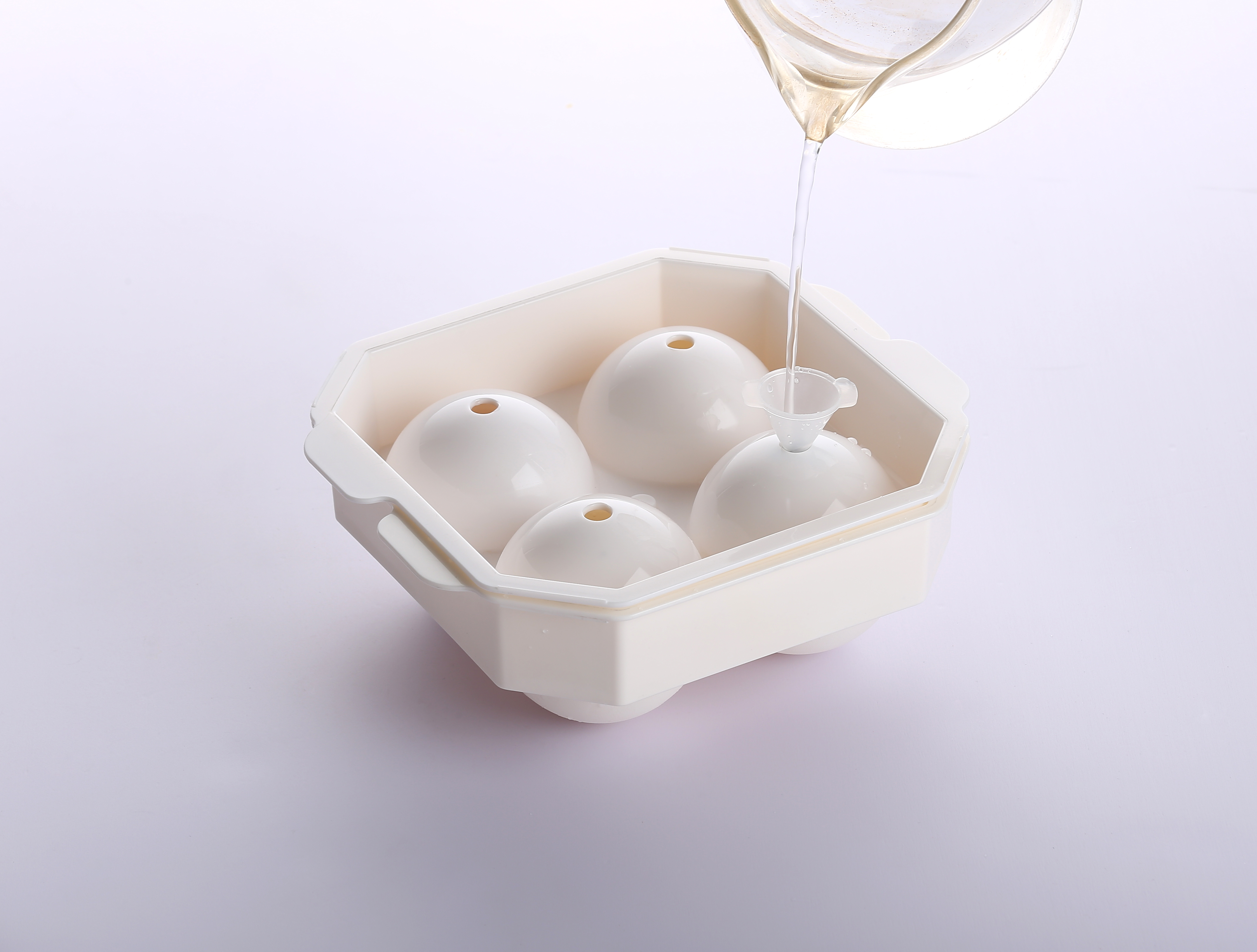
Transform Drinks with Custom Silicone Ice Trays
Custom silicone ice trays are used in home kitchens, bars, hotels, catering programs, gift sets, and promotional product lines because they can make ice in shapes that standard rigid trays cannot easily produce. For buyers, the appeal is not only the final look of the ice. It is also the flexibility of the material, the potential for custom designs, and the ability to match a tray to a specific beverage concept, retail theme, or brand campaign.
This guide explains how to evaluate custom silicone ice trays from a sourcing perspective. It covers design choices, supplier discussions, sample reviews, packaging questions, and practical use considerations. The goal is to help purchasing teams, importers, wholesalers, and product managers ask better questions before confirming an OEM or bulk order.
Key Takeaways
- Custom silicone ice trays can support different ice shapes, including simple cubes, geometric forms, or themed designs.
- Buyers should verify material, dimensions, cavity volume, packaging, and sample quality before bulk production.
- A silicone ice cube trays supplier should be able to answer clear questions about customization, tooling, labeling, and order handling.
- For hospitality and retail use, easy release, storage efficiency, and cleaning instructions matter as much as appearance.
Why Custom Silicone Ice Trays Are Useful
Ice is part of the drink experience. A large cube, a hexagon, or a decorative shape can change how a cocktail, iced coffee, juice, or infused water is presented. Compared with basic plastic trays, silicone trays are commonly chosen because their flexible structure can help release ice more easily, especially when the shape has corners or fine details.
Custom silicone ice trays also create product differentiation. A retailer may want a seasonal mold for summer beverages. A bar supplier may prefer larger cavities for slow-melting presentation ice. A promotional buyer may request a shape linked to a brand identity. The right design can make a simple product more memorable without requiring complex consumer education.
Design Options to Discuss with a Supplier
Before contacting a silicone ice tray manufacturer, define the product concept in practical terms. A sketch or reference image is helpful, but it is not enough. Buyers should also confirm how the tray will be used, how many ice pieces it should produce, and whether the product needs a lid, stackable format, or retail packaging.
Common design points include:
- Ice shape: cube, sphere-like form, hexagon, bar, novelty shape, or logo-inspired design.
- Cavity size: small pieces for daily drinks or larger pieces for cocktails and display beverages.
- Tray footprint: freezer compatibility, carton efficiency, and shelf display space.
- Ease of release: wall thickness, cavity depth, and flexibility can affect user experience.
- Color: neutral colors such as white may suit broad retail use, while custom colors may support brand programs.
- Accessories: lid, sleeve, insert card, gift box, barcode label, or instruction sheet.
The original article mentioned a hexagon ice mold tray and flexible white silicone. If a hexagon format is part of your sourcing plan, ask whether the supplier can provide dimensional drawings or samples so the final shape and release performance can be checked before ordering.
Supplier and Manufacturer Questions for OEM Buyers
Choosing a silicone ice cube trays supplier is not only about receiving a quotation. For OEM, wholesale, or private label projects, communication quality matters. A reliable supplier should be able to clarify what is standard, what requires a new mold, and what information is needed to prepare an accurate offer.
Useful questions include:
- What material options are available for silicone ice trays, and what documentation can be provided for the target market?
- Is the requested design possible with an existing mold, or does it require custom tooling?
- What are the available tray colors, and are custom colors possible?
- Can the supplier provide pre-production samples for approval?
- What packaging formats are available for retail, e-commerce, or bulk distribution?
- How should the tray be cleaned, stored, and used safely by end customers?
- What details affect pricing, such as size, weight, cavity count, packaging, labeling, or tooling?
- What is the expected production and shipping timeline after sample approval?
Avoid assuming details that have not been confirmed. Material grade, compliance documents, test reports, minimum order quantity, pricing, and lead time should be requested directly from the supplier for each project.
Comparison Checklist for Custom Ice Tray Sourcing
The table below can be used during sample review or supplier comparison. It helps teams evaluate more than the visual design.
| Check Point | What to Review | Why It Matters |
|---|---|---|
| Shape accuracy | Does the frozen ice match the intended cube, hexagon, sphere-like, or custom form? | Consistent shape supports product presentation and customer satisfaction. |
| Ice release | Can users remove ice without excessive twisting or breakage? | Difficult release can lead to complaints, especially with detailed designs. |
| Tray stability | Does the tray stay level when filled and moved to the freezer? | Spillage affects daily use and may be a concern in busy kitchens or bars. |
| Cavity volume | Is each ice piece suitable for the intended glassware or beverage? | Large ice may not fit all cups; small ice may melt faster. |
| Packaging | Is the packaging suitable for retail shelves, online shipping, or wholesale cartons? | Good packaging reduces damage and supports clear consumer instructions. |
| Labeling space | Can product information, barcode, brand name, or care instructions be included? | Private label and retail programs often need accurate product communication. |
Use Cases for Retail, Hospitality, and Promotional Programs
Custom silicone ice trays serve different buyer groups. Retail brands may sell them as kitchen accessories, barware add-ons, or seasonal gifts. Hospitality buyers may use them to standardize drink presentation across bars, restaurants, or event venues. Promotional buyers may request a memorable shape for campaign merchandise, beverage launches, or corporate gifts.
For retail products, focus on shelf appeal, clear use instructions, and packaging durability. For hospitality, prioritize repeated handling, efficient storage, easy cleaning, and ice size consistency. For promotional orders, confirm whether the custom shape is practical as ice rather than only attractive as a drawing. Deep or narrow details may not release cleanly, so prototype testing is important.
Sample Review and Quality Control Tips
Samples should be tested in a realistic setting. Fill the tray, move it to a freezer, freeze the water fully, release the ice, and inspect the finished pieces. Repeat the process several times if possible. A tray that looks good on a desk may behave differently when full of water or frozen solid.
During sample review, check for visible defects, uneven trimming, strong odor, unstable balance, difficult release, or packaging problems. If the tray includes a lid, test whether it fits securely and whether it helps stacking. If the tray is meant for larger ice pieces, test it with the glassware your customers are likely to use.
Practical Care and User Guidance
Even for B2B sourcing, end-user instructions should be considered early. Clear care guidance can reduce customer confusion and returns. Basic instructions may explain how much water to add, how to carry the tray level, how to release ice by flexing the silicone, and how to clean and dry the tray before storage.
If the product is sold with specific claims, such as dishwasher suitability, temperature resistance, or food-contact compliance, those claims should be supported by supplier documentation. Do not add claims to packaging or listings until they are verified for the actual product and target market.
FAQ
Can custom silicone ice trays be made in brand-specific shapes?
Often yes, but feasibility depends on the shape, detail level, cavity depth, and tooling requirements. Buyers should share drawings and request sample confirmation before bulk orders.
What should I ask a silicone ice tray manufacturer first?
Start with material information, available molds, custom tooling needs, sample options, packaging choices, labeling support, order quantity, lead time, and documentation for your sales market.
Are large ice cavities always better?
No. Large ice pieces can look attractive in cocktails and premium drinks, but they may not fit all glasses or freezer spaces. Choose cavity size based on the target user.
Should I choose an existing mold or a new custom mold?
An existing mold may be faster and simpler. A new mold may be better for a unique shape or private label concept. Compare cost, timing, exclusivity, and sample results.
How can buyers reduce risk before placing a wholesale order?
Request samples, confirm packaging artwork, review product instructions, test ice release, check carton packing details, and ask the supplier to clarify any unverified claims in writing.
