




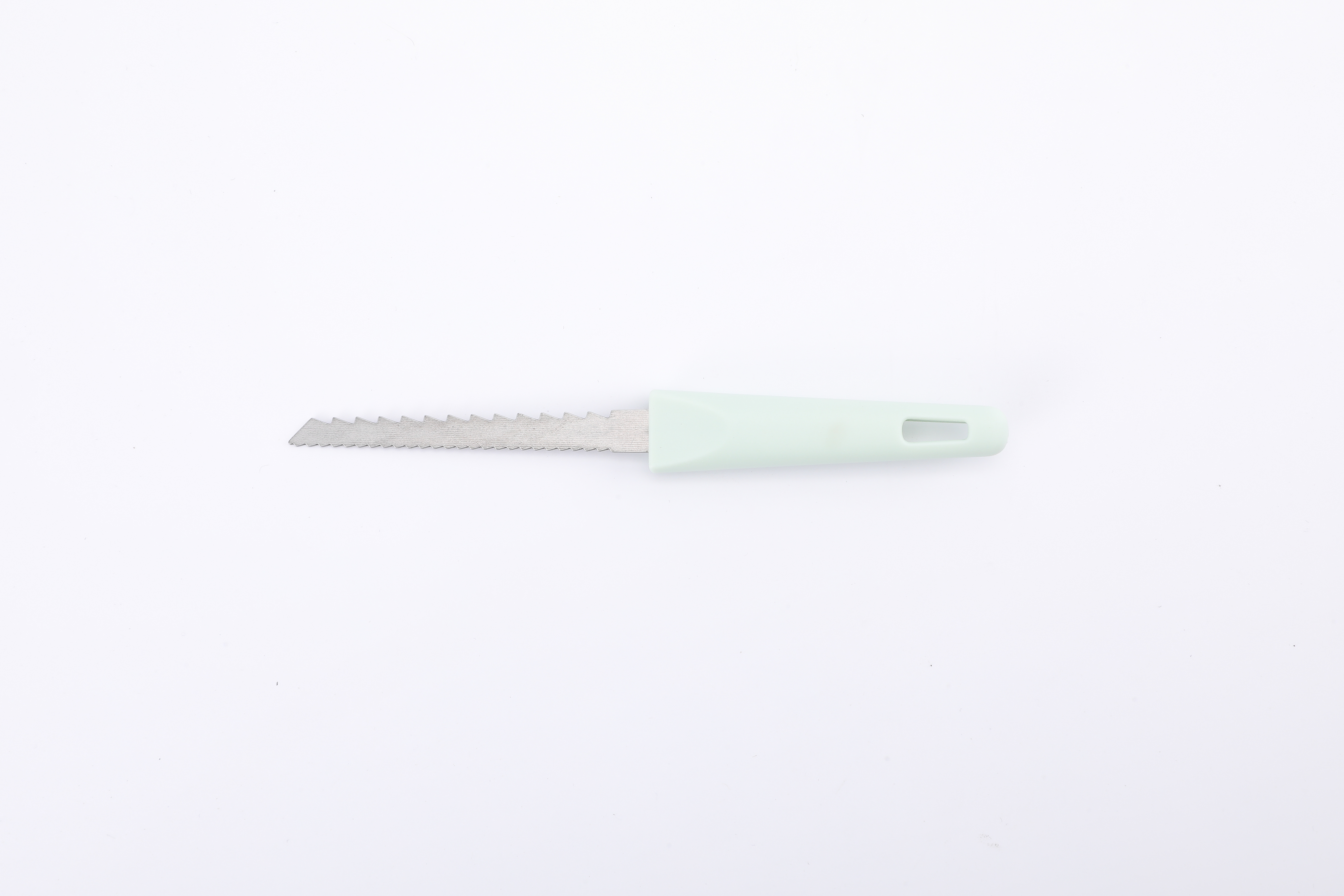
Pumpkin Carving Knife Factory: B2B Sourcing Guide
Pumpkin carving is seasonal, but sourcing decisions for carving tools should not be rushed. Retailers, promotional gift buyers, seasonal product distributors, and private-label brands need tools that feel controlled in the hand, cut predictably, and hold up through the carving process. A pumpkin carving knife factory can support that goal when buyers know what to compare, what to request, and which claims need evidence before an order is placed.
The original idea behind a dedicated carving tool is simple: a standard kitchen knife is often too large, too rigid, or too risky for detailed pumpkin work. Purpose-built carving knives typically focus on precision, comfort, and safer handling. Some designs also combine multiple functions, such as a serrated carving knife, vegetable peeler, and citrus zester, allowing users to cut, shave, and etch different parts of a pumpkin design with one compact tool.
Key Takeaways
- Look for controlled cutting, comfortable handling, and durable construction rather than only a sharp blade.
- Ask the factory to explain available blade styles, handle options, packaging formats, and OEM customization limits.
- Request samples and test them on real pumpkins before approving bulk production.
- Do not rely on general claims; ask suppliers for details about materials, inspection steps, and packaging protection.
What Makes a Pumpkin Carving Knife Different?
A pumpkin carving knife is designed for a very specific task: sawing through firm pumpkin flesh while giving the user enough control for curves, corners, and small details. A fine serrated edge can be useful because it allows a gradual sawing motion instead of forcing the blade through the wall of the pumpkin. This can help create cleaner lines and reduce the need for excessive pressure.
Handle comfort also matters. During carving, users may hold the tool for longer than expected, especially when working on detailed patterns. An ergonomic handle can reduce hand fatigue and improve control. For wholesale buyers, this is not only a product feature; it affects user satisfaction, return rates, and the overall perception of a seasonal carving kit.
Tool Features Buyers Should Compare
Not every carving tool needs to be complex. For some channels, a simple serrated carving knife may be enough. For others, a multi-function design may add value by supporting more creative techniques. The original product concept mentions a tool that may include a precision serrated knife, a vegetable peeler, and a citrus zester. Each function serves a different carving purpose.
| Feature | Practical Use | Buyer Questions to Ask |
|---|---|---|
| Fine serrated knife | Sawing pumpkin walls and shaping cutouts | How is the edge formed, and how is cutting consistency checked? |
| Eronomic handle | Improves grip comfort and control during detailed work | Are different handle shapes or colors available for OEM orders? |
| Vegetable peeler | Shaving outer pumpkin skin for shaded designs | Is the peeler fixed securely, and how is it protected in packaging? |
| Citrus zester | Etching fine lines, textures, and surface details | Can the factory provide samples for testing on pumpkins? |
| Retail packaging | Supports shelf display, gifting, or e-commerce shipping | What packaging formats are available, and can artwork be customized? |
How to Evaluate a Pumpkin Carving Knife Factory
When sourcing from a factory, avoid judging only by catalogue images. A useful supplier discussion should cover product design, production consistency, inspection, packaging, and communication. Ask whether the factory already produces pumpkin carving tools or similar kitchen and seasonal tools. Experience with comparable products can help, but buyers should still verify details through samples and written specifications.
Important sourcing questions include:
- What materials are used for the blade, handle, and any added functions such as peelers or zesters?
- Can the supplier provide drawings, dimensions, or a confirmed specification sheet before sampling?
- What handle colors, logo methods, or packaging options are available for OEM or private-label orders?
- How are sharp edges, serrations, assembled parts, and packaging checked before shipment?
- What are the lead time, minimum order quantity, carton details, and sample policy?
- Are any destination-market requirements relevant to the buyer's sales channel, and what documents can the supplier provide?
Sample Testing Before Bulk Orders
Sample testing is essential because pumpkin carving is a hands-on activity. A tool that looks acceptable in a photo may feel awkward when cutting curves or etching textures. Buyers should test samples on real pumpkins, not only on paper, foam, or soft materials. Use the same type of pumpkin that end customers are likely to buy during the season.
During testing, check whether the blade starts cuts cleanly, whether the serrations move smoothly through pumpkin flesh, and whether the handle stays comfortable after repeated use. If the tool includes a peeler, test whether it can remove only the outer skin without digging too deeply. If it includes a zester, test whether it creates visible texture and fine lines without tearing the surface too aggressively.
OEM, Packaging, and Seasonal Planning
For seasonal goods, timing is a commercial risk. Halloween and autumn promotions have fixed selling windows, so late production or delayed packaging approval can reduce the value of the order. Buyers should confirm artwork deadlines, sample approval dates, production lead times, shipping schedules, and buffer time for inspection.
OEM customization may include logo placement, handle color, set composition, instruction inserts, or retail packaging. However, buyers should not assume every factory can support every request. Ask what is already available, what requires new tooling, and what changes may affect cost or lead time. If the product will be sold online, packaging should also be reviewed for safe storage and reasonable protection during fulfillment.
Quality and Safety Points to Discuss
A carving knife is a sharp tool, so the buyer should discuss user safety and quality control in practical terms. This does not mean accepting vague phrases such as “high quality” or “safe design” without explanation. Ask the supplier how exposed edges are protected in the package, whether instructions or warnings can be included, and how the product is inspected for loose parts, rough edges, or inconsistent assembly.
For products intended for family carving activities, marketing should be careful and accurate. If the tool is not designed for children, do not describe it as a children's item. If adult supervision is required, packaging and product listings should make that clear according to the buyer's market needs. Compliance requirements vary by destination and sales channel, so buyers should ask suppliers what documents are available and confirm requirements independently.
FAQ
What should I ask a pumpkin carving knife factory first?
Start with product specifications, available samples, material details, packaging options, OEM capabilities, lead time, and minimum order quantity. Then ask how the factory checks blade consistency, handle assembly, and finished packaging.
Is a serrated pumpkin carving knife better than a plain blade?
For pumpkin carving, a fine serrated edge is often useful because it supports a controlled sawing motion through firm pumpkin flesh. Buyers should still test samples to confirm cutting performance and user comfort.
Why include a peeler or zester in a carving tool?
A peeler can shave the outer pumpkin skin to create shaded effects, while a zester can etch fine details and textures. These functions may appeal to creative users, but they should be tested for durability and ease of use.
How can buyers reduce seasonal sourcing risk?
Approve samples early, confirm packaging artwork deadlines, build in inspection time, and agree on shipment schedules before peak autumn demand. Seasonal products lose value when they arrive after the selling window.
Can a supplier make private-label pumpkin carving tools?
Many factories may offer OEM or private-label options, but capabilities differ. Ask which logo methods, colors, packaging formats, and set combinations are available, and confirm whether any changes require new tooling or extra lead time.
