




Dual-Action Silicone Utensil Set: Practical Guide for Everyday Cooking
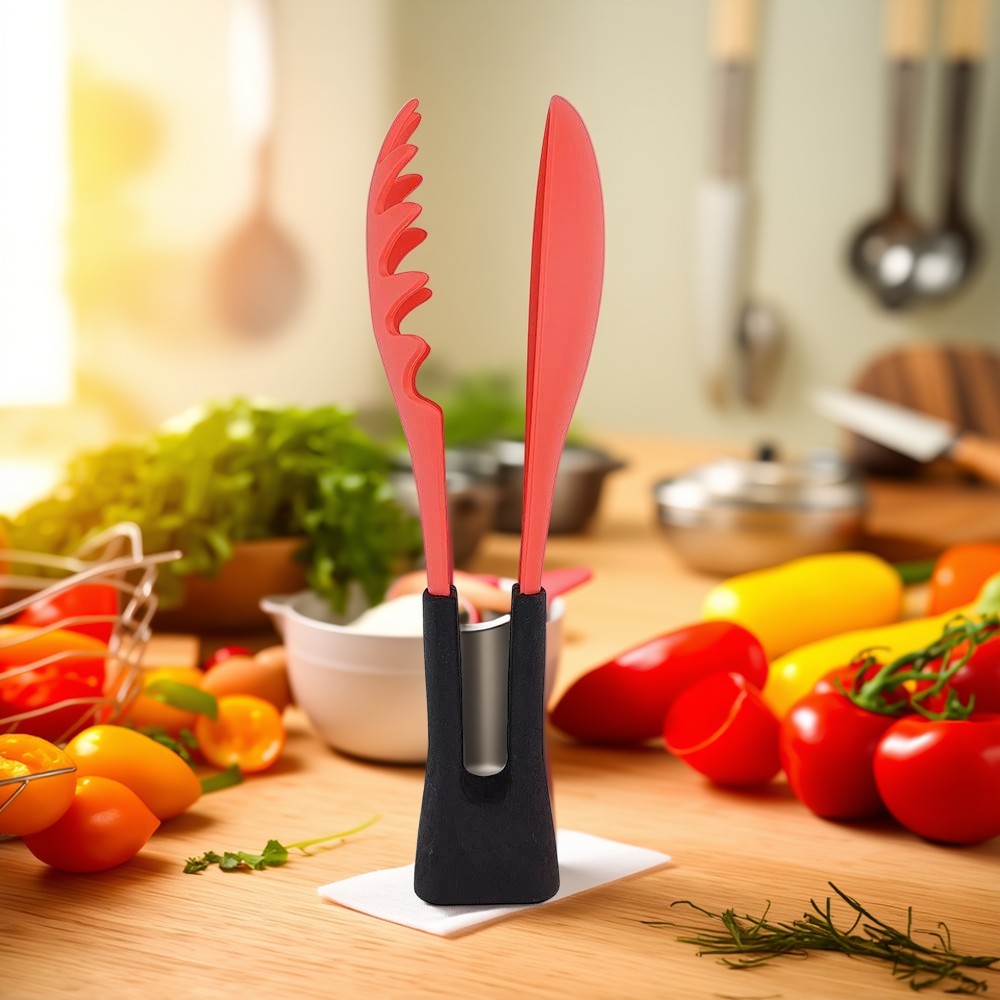
A dual-action silicone utensil set is designed for cooks who want fewer tools doing more jobs. Based on the original product description, this utensil combines a spoon side for stirring, serving, and tasting with a pasta-server side that uses flexible teeth to lift spaghetti and similar noodles. It also includes a center hole intended for measuring a spaghetti portion and a modern stand that keeps the utensil upright when not in use.
That combination can be useful in a home kitchen, especially if you cook sauces, soups, pasta, vegetables, or one-pan meals. However, the best choice is not simply the most attractive utensil. Buyers should look closely at material claims, handle comfort, cleaning needs, and whether the design suits their cookware and cooking habits.
Key Takeaways
- A dual-action utensil can reduce tool switching by combining a spoon and pasta server in one piece.
- Silicone is valued for being gentle on nonstick and coated cookware, but always verify heat-resistance limits with the seller.
- The center hole may help with spaghetti portioning, though serving sizes can vary by household.
- An upright stand can keep counters cleaner, but it should be stable and easy to wash.
- Check grip comfort, utensil weight, cleaning instructions, and any material documentation before purchase.
What Is a Dual-Action Silicone Utensil Set?
This type of utensil is a two-in-one kitchen tool. One side functions like a spoon for mixing sauces, scooping vegetables, serving grains, or tasting a dish during cooking. The other side works as a spaghetti server, with teeth designed to catch noodles so they do not slide off as easily as they might from a plain spoon.
The original article highlights silicone construction, a food-grade silicone finish, heat resistance, an ergonomic handle, and a stand that holds the utensil upright. These are helpful design ideas, but practical buyers should treat them as features to verify. For example, if heat resistance matters because you cook in hot pans, ask for the maximum safe temperature and whether the utensil is suitable for prolonged contact with cookware.
Where This Tool Performs Best
A dual-action utensil is most useful in kitchens where pasta, simmered sauces, soups, stir-fries, and family-style serving are common. The spoon side can move liquid or semi-liquid foods, while the toothed side is better for lifting long noodles. If you frequently cook spaghetti, linguine, or noodles, the pasta-server side may save time compared with using tongs and a separate spoon.
The center hole described in the original article is intended to measure spaghetti portions. This can be convenient for quick weeknight cooking, especially for one-person or small-family meals. Still, portion needs differ. Athletes, children, and people cooking for leftovers may not fit the same measurement. Use the hole as a guide, not a strict rule.
Comparison and Buying Checklist
| Feature to Check | Why It Matters | Question to Ask Before Buying |
|---|---|---|
| Spoon and pasta-server design | Determines whether the tool can handle both stirring and noodle lifting well. | Are the spoon depth and teeth shape suitable for the foods you cook most? |
| Silicone surface | Helps reduce scratching on nonstick or coated cookware. | Is the utensil safe for your cookware type and cleaning method? |
| Heat resistance | Important when stirring hot sauces or working near pans. | What is the stated maximum temperature, and is it documented? |
| Handle comfort | Affects control during longer cooking tasks. | Is the handle length, grip shape, and weight comfortable for your hand? |
| Upright stand | Can reduce counter mess and keep the tool accessible. | Is the stand stable, removable, and easy to clean? |
| Cleaning instructions | Prevents odor, staining, or premature wear. | Is it dishwasher safe, or is hand washing recommended? |
How to Use the Spoon Side Effectively
The spoon side is the more general-purpose part of the utensil. Use it for stirring tomato sauce, mixing vegetables, serving cooked beans, or checking the texture of a stew. Silicone is often chosen because it is gentler on cookware than metal, making it suitable for many coated pans and pots.
For best results, avoid treating the spoon like a rigid metal scraper. If food is stuck to the bottom of a pan, loosen it with liquid and moderate heat rather than forcing the utensil against the surface. This protects both the utensil and the cookware. Also avoid leaving any silicone utensil resting in a hot pan for long periods unless the supplier clearly confirms it is safe for that use.
How to Use the Pasta-Server Side
The pasta-server side is designed to catch and lift long noodles. After pasta is cooked, insert the teeth into the noodles, twist slightly, and lift over the pot for a moment so excess water can drain. Then transfer the noodles into sauce or directly onto a plate.
The center hole can help estimate a spaghetti portion before cooking. Place dry spaghetti through the hole to gauge an approximate serving. If you cook for multiple people, repeat the measure for each serving or adjust based on appetite. For short pasta such as penne or fusilli, the spoon side will usually be more useful than the toothed side.
Care, Cleaning, and Storage Tips
Good care helps silicone utensils last longer and remain pleasant to use. Wash the utensil before first use, especially around the teeth, the spoon edge, and any area that connects to a stand. If cooking with tomato, curry, chili oil, or strongly colored sauces, rinse promptly to reduce the chance of staining.
- Wash with warm water and mild dish soap after use.
- Use a soft sponge rather than abrasive pads.
- Dry fully before placing it back on the stand or in a drawer.
- Keep it away from open flames and exposed heating elements.
- Check periodically for cracks, loosened parts, or surface damage.
If the utensil comes with an upright stand, clean the stand as carefully as the cooking head. A stand that collects water or sauce residue can create odors. If the stand is removable, separate it during washing when possible.
Who Should Consider This Utensil?
This type of utensil is a good fit for home cooks who want to simplify a kitchen drawer without giving up everyday functionality. It is especially useful for small kitchens, students, first apartments, family kitchens, or anyone who regularly prepares pasta and sauces. It may also appeal to cooks who use nonstick cookware and want tools that are less likely to scratch compared with metal utensils.
It may be less suitable for people who prefer specialized tools for every task, need very rigid scraping power, or cook mostly with stainless steel utensils at very high heat. In those cases, a separate ladle, pasta fork, and metal spoon may provide more precision.
Practical FAQ
Can a silicone utensil be used with nonstick pans?
Silicone utensils are commonly chosen for nonstick and coated cookware because they are softer than metal. Still, check the cookware maker’s care instructions and avoid pressing sharp edges into the coating.
Is the center hole an exact pasta measurement?
It is best viewed as an approximate portion guide. Dry spaghetti thickness and personal serving sizes vary, so adjust after a few uses.
Can it replace tongs?
For spaghetti and similar noodles, it may replace tongs in many situations. For turning meat, gripping slippery foods, or serving salads, tongs may still work better.
What should I ask before buying?
Ask about heat-resistance limits, dishwasher suitability, material details, handle construction, stand stability, and whether any product documentation is available.
How do I prevent odors or stains?
Rinse soon after use, wash with mild soap, dry fully, and avoid storing it while damp. Strongly colored sauces should not sit on the utensil for long periods.
Final Thoughts
A dual-action silicone utensil set can be a practical kitchen tool when its design matches how you cook. The spoon side supports stirring and serving, while the pasta-server side helps with noodles and quick portioning. Look beyond appearance and confirm the details that affect daily use: heat rating, cleaning method, grip comfort, stand stability, and cookware compatibility. With those checks, this simple two-in-one utensil can earn a useful place in an everyday cooking routine.
