




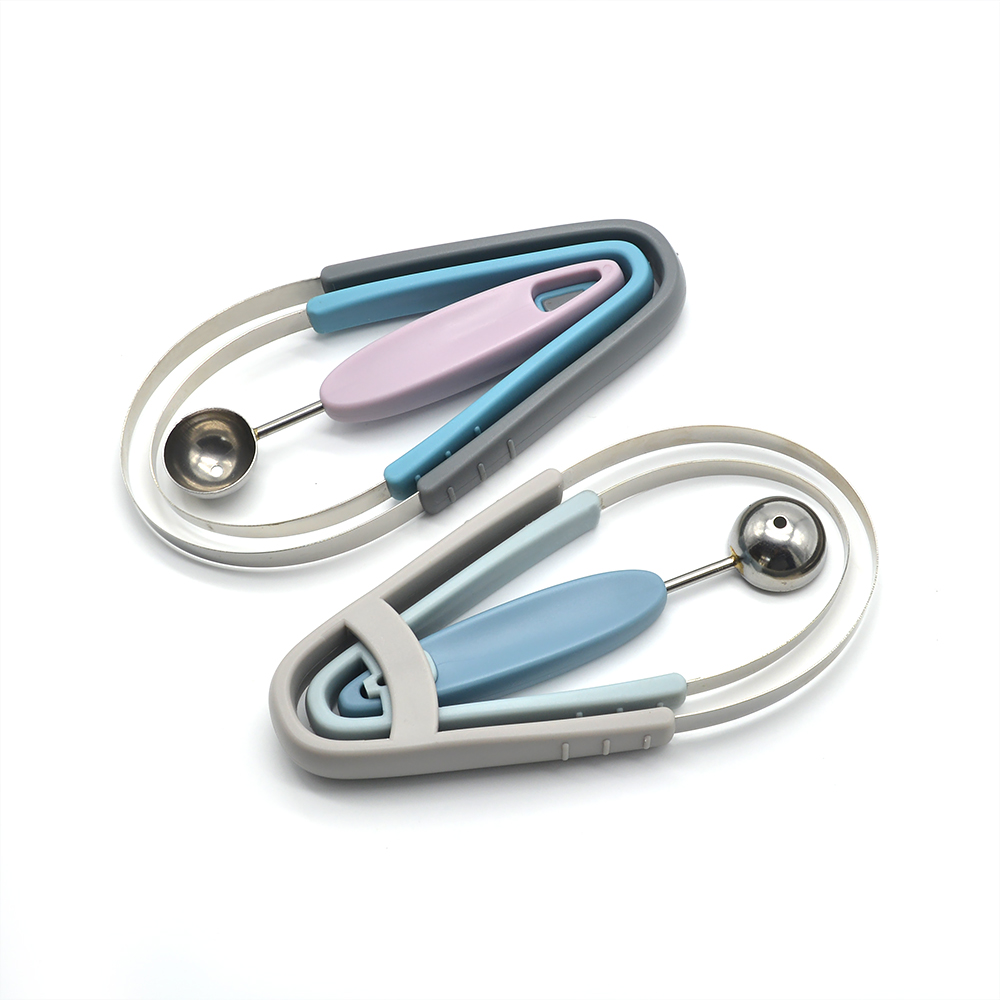
Transform Your Kitchen with Nesting Kitchen Gadgets
Nesting kitchen gadgets are designed to fit inside or stack closely with related tools, making them especially useful in small kitchens, shared apartments, RVs, office pantries, and busy family homes. Instead of spreading bowls, cutters, strainers, and lids across several drawers, a nesting design keeps similar prep items together and easier to find.
The original idea is simple: reduce wasted storage space without removing everyday function. A nesting salad cutter bowl, for example, can help with rinsing, holding, and slicing salad ingredients in a more controlled way than using several separate items. For home cooks, the value is not only neat storage. It is also faster setup, fewer tools to wash, and a more predictable prep routine.
Key Takeaways
- Nesting kitchen gadgets are best for people who want compact storage and quick access to frequently used prep tools.
- Fruit preparation tools and salad cutter bowls can reduce countertop mess when used correctly.
- Choose nesting items based on real cooking habits, not only because they look organized in a drawer.
- Before buying, check cleaning method, grip comfort, size, blade or knife guidance, and whether parts lock together securely.
What Makes a Kitchen Gadget “Nesting”?
A nesting kitchen gadget is any tool or set of tools shaped to store inside another item or stack tightly with minimal empty space. Common examples include measuring cups, mixing bowls, colanders, storage containers, peelers with protective covers, and compact fruit preparation tools. In a well-designed nesting set, the pieces should be easy to separate, stable when stacked, and not so tight that they trap moisture after washing.
The best nesting tools solve a storage problem without creating a use problem. If a bowl set saves space but is awkward to hold, or if a cutter is difficult to clean, it may not be helpful in daily cooking. For that reason, shoppers should judge nesting gadgets by practical use first and storage appearance second.
How Nesting Gadgets Improve Everyday Food Prep
Kitchen prep often involves repeated small tasks: washing produce, trimming fruit, chopping greens, measuring portions, and moving ingredients from counter to bowl. When every tool is stored in a different cabinet, simple cooking becomes slower. Nesting gadgets reduce this friction by grouping related functions in one compact place.
For salad preparation, a cutter bowl with slotted openings can guide the knife for more even cuts. The user places ingredients inside, secures the top if the design includes a lid, and slices through the slots. This method can help keep greens, vegetables, or fruit pieces contained while cutting, which means less mess on the countertop. It is still important to use a suitable knife, cut on a stable surface, and follow the product’s instructions for safe use.
For fruit preparation, compact tools can be helpful when working with ingredients that are small, slippery, or juicy. A nesting design keeps these tools nearby, so the cook is less likely to skip prep steps or dirty extra dishes.
Product Selection Checklist
Before choosing nesting kitchen gadgets, compare them by how they will be used in your actual kitchen. A compact tool is only useful if it fits your ingredients, hand comfort, storage space, and cleaning routine.
| What to Check | Why It Matters | Questions to Ask Before Buying |
|---|---|---|
| Storage fit | The main benefit is space saving. | Will it fit in your drawer, shelf, or cabinet when fully nested? |
| Ease of separation | Tightly stacked parts can be frustrating. | Can each piece be removed without pulling or twisting too hard? |
| Cleaning access | Slots and grooves can hold food residue. | Are the openings wide enough to rinse and scrub properly? |
| Stability during use | Cutting tools need a steady base. | Does the bowl sit flat and resist sliding on the counter? |
| Task relevance | Not every compact tool earns its space. | Will you use it weekly, or only once in a while? |
| Supplier information | Product details vary by model. | What material, care instructions, and replacement part options are provided? |
Using a Salad Cutter Bowl Effectively
An all-in-one salad cutter bowl can be a practical example of nesting kitchen design. Its slotted openings guide knife movement so greens and vegetables can be cut while held together in the bowl. This is useful for quick lunches, meal prep, and simple side salads.
To get better results, avoid overfilling the bowl. Too many ingredients can compress unevenly and make cutting less consistent. Start with washed and drained produce, place firmer vegetables lower in the bowl if the design allows, and use controlled knife strokes through the slots. After the first pass, some users rotate the lid or reposition the ingredients to create smaller pieces. Always keep fingers away from the knife path and place the bowl on a dry, stable surface.
Care and Storage Tips
Nesting gadgets last longer when they are cleaned and stored correctly. Because some compact tools have ridges, slots, and contact points between stacked parts, moisture can remain trapped if they are nested immediately after washing. Let each piece dry fully before stacking it away.
- Rinse soon after use, especially after cutting juicy fruit, leafy greens, or acidic ingredients.
- Use a small brush or sponge edge to clean slots and corners.
- Check the manufacturer’s care instructions before using a dishwasher.
- Dry all parts separately before nesting them together.
- Store cutting accessories away from loose utensils that could damage edges or surfaces.
If the gadget includes a lid, locking edge, or removable part, inspect it regularly. A loose or cracked part may reduce stability, especially during cutting tasks.
When Nesting Tools Are Worth the Space
Nesting kitchen gadgets are most useful when they replace several separate tools or make a common task faster. A salad cutter bowl may be worth keeping if you prepare chopped salads, fruit bowls, or mixed greens often. A nesting measuring set is useful for baking and portioning. A compact colander bowl set can help with washing berries, draining pasta portions, or rinsing vegetables.
However, nesting design should not be the only reason to buy. If you rarely prepare salads, a cutter bowl may sit unused even if it stores neatly. If you already have a full set of bowls that stack well, another nesting set may not improve your kitchen. The goal is not to own more gadgets; it is to keep fewer, better-organized tools that match your cooking routine.
Guidance for Bulk Buyers and Retail Sourcing
For retailers, wholesalers, and private-label buyers evaluating nesting kitchen gadgets, the key is to verify product details rather than relying on generic claims. Ask the supplier for exact dimensions, material information, packaging details, care instructions, and available customization options. If the item involves cutting guidance, request clear user instructions and safety warnings suitable for the target market.
Buyers should also ask practical sourcing questions: How do the pieces nest during shipping? Is retail packaging designed to show the space-saving function? Are replacement parts available? What quality checks are performed for fit, stability, and surface finish? These questions help determine whether the product will satisfy end users after purchase, not only look attractive in a catalog.
FAQ
Are nesting kitchen gadgets only for small kitchens?
No. They are especially helpful in small kitchens, but they also work well for anyone who wants faster access to prep tools and less drawer clutter.
Can a salad cutter bowl replace a cutting board?
It can reduce the need for some chopping tasks, but it does not replace a cutting board for every ingredient. Large, hard, or irregular foods may still require traditional cutting prep.
What should I check before buying fruit preparation tools?
Check comfort, cleaning access, stability, size, and whether the tool matches the fruit or vegetables you prepare most often.
How do I prevent odors or moisture when storing nested tools?
Wash promptly, dry every part separately, and avoid stacking pieces while they are still damp. Good airflow before storage helps prevent trapped moisture.
What should wholesale buyers ask a supplier?
Ask for product dimensions, material details, packaging options, care instructions, sample availability, and quality-control information for the specific model under review.
