




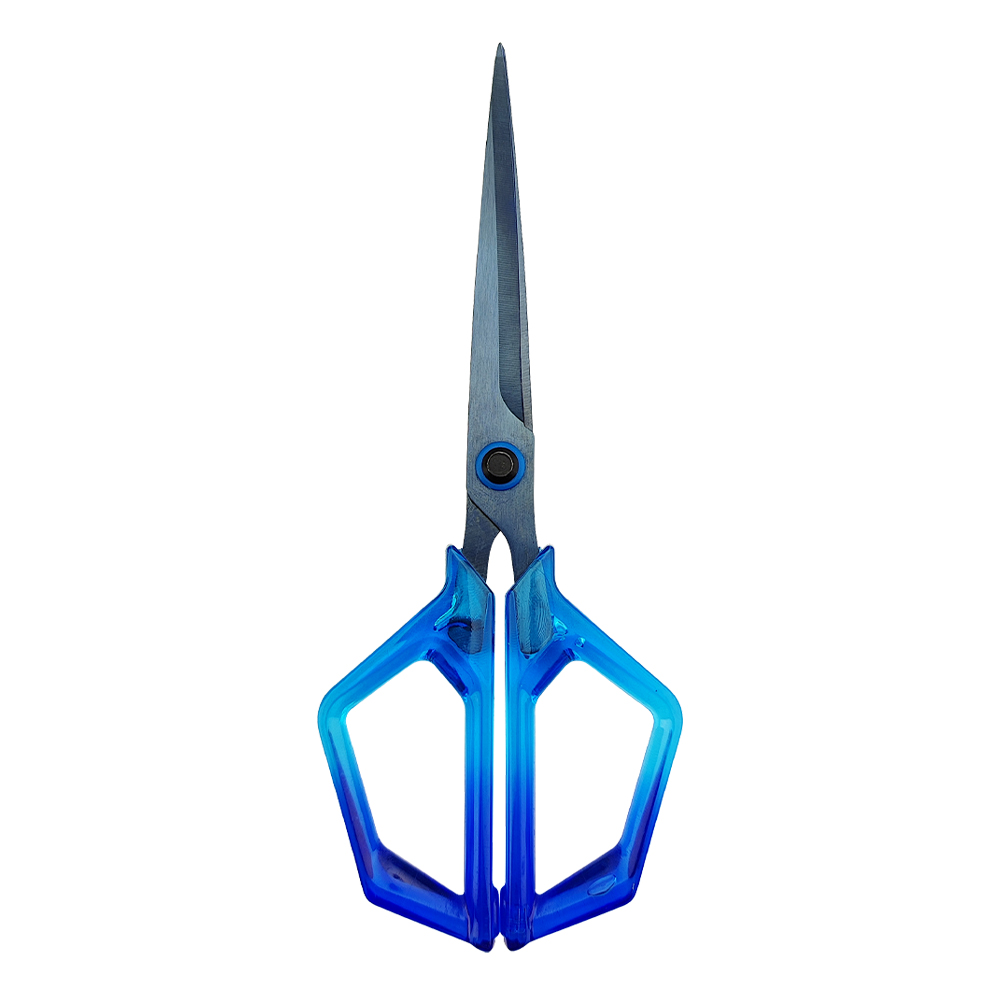
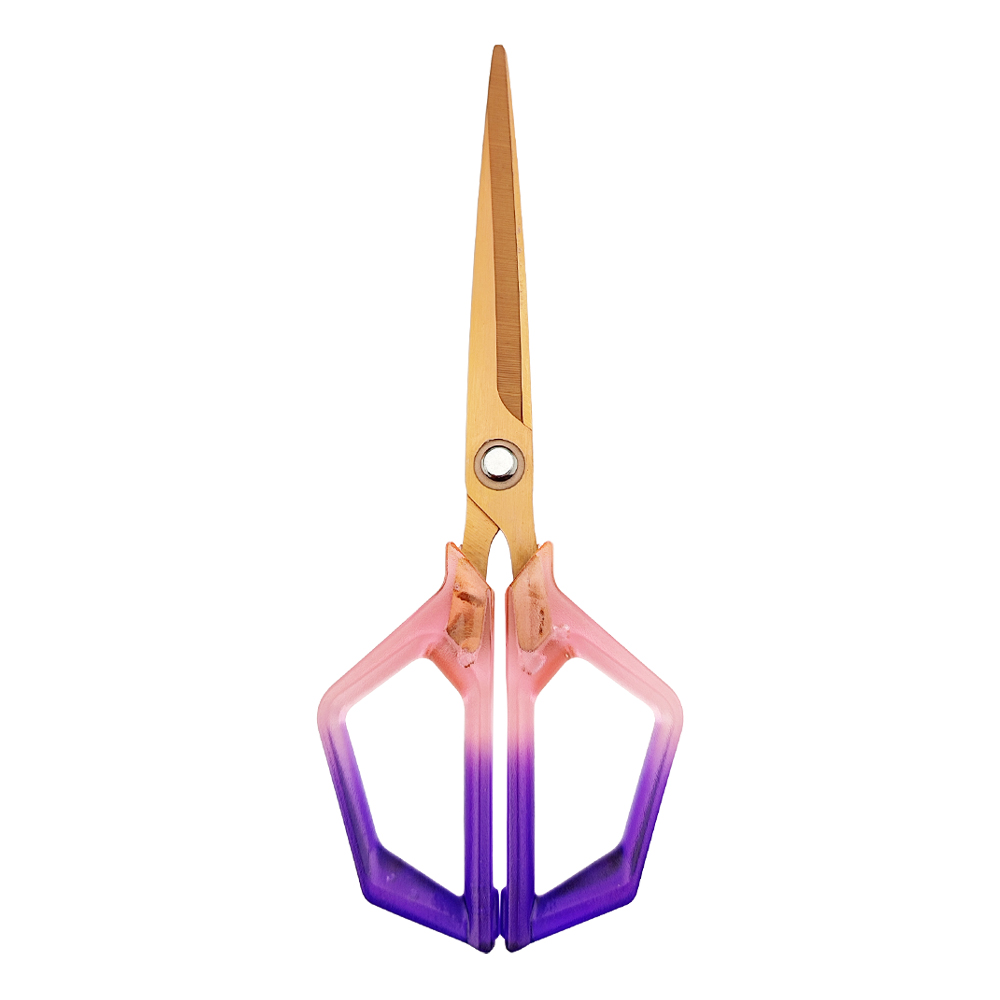
Transparent Office Scissors OEM: Elegance and Functionality
Transparent office scissors OEM projects sit at the point where everyday stationery, brand presentation, and practical cutting performance meet. For distributors, private-label stationery brands, corporate gift buyers, and retail sourcing teams, the goal is not simply to find scissors that look different. The goal is to develop a product that feels appropriate for the intended user, can be produced consistently, and can be packaged and supplied in a way that supports commercial selling.
The original product description highlights a visually distinctive office scissor concept, including a transparent or decorative handle direction, a golden blade finish, an ergonomic handle shape, and a smooth pivot for daily office use. Those are useful starting points, but B2B buyers should still verify each detail with samples, drawings, material information, and supplier documentation before placing a production order.
Why Transparent Office Scissors Appeal to Buyers
Office scissors are low-consideration products for end users, but they still influence how a stationery range is perceived. Transparent handles can make a familiar tool feel lighter, cleaner, and more design-led. In retail displays, they may also help differentiate a product from standard black, grey, or solid-color scissors.
For an OEM program, this design direction is especially relevant when the buyer wants to build a coordinated desk accessory line, a school and office range, or a promotional product with a modern visual language. The transparent element should not be treated as decoration alone. Buyers should consider grip comfort, edge finishing, handle thickness, color consistency, and how the product looks inside packaging.
Core Product Decisions Before Requesting a Quote
Before contacting an office scissors supplier, prepare a clear specification brief. A vague request such as “transparent scissors with logo” can lead to inconsistent quotations because suppliers may assume different blade sizes, handle materials, finishes, packaging styles, and inspection requirements.
- Target user: office staff, students, designers, craft users, promotional buyers, or retail consumers.
- Scissor size: define total length and intended cutting tasks rather than relying only on photos.
- Handle direction: fully transparent, tinted transparent, color-gradient, or mixed-material design.
- Blade appearance: standard metal finish, colored finish, or decorative finish if available from the supplier.
- Branding method: printed logo, molded detail, packaging branding, or label branding.
- Packaging: bulk pack, blister card, paper card, gift box, or retail-ready display packaging.
Design, Comfort, and Cutting Performance
A transparent office scissor can attract attention, but repeat purchases depend on usability. Buyers should evaluate whether the handle opening fits the target market, whether the edges around the grip feel smooth, and whether the pivot action is stable. The source article mentions an ergonomic handle and smooth cutting action, which are relevant product goals; however, they should be confirmed through physical samples.
Ask the supplier to explain the pivot construction, blade alignment process, and typical inspection steps. If the product is intended for heavy daily use, request sample testing with common office materials such as copy paper, envelopes, thin card, labels, and packaging tape. If it is intended for craft or design users, cutting precision near the tip may be more important than general desk use.
Comparison Checklist for OEM Sourcing
The table below can help purchasing teams compare transparent office scissors suppliers without relying only on unit price. It is also useful when aligning sales, design, and quality teams before sample approval.
| Sourcing Point | What to Check | Questions to Ask the Supplier |
|---|---|---|
| Handle design | Transparency, color, comfort, surface finish | Can you provide existing molds or only custom tooling options? |
| Blade finish | Appearance, smoothness, cutting edge consistency | What blade finishes are available, and what should be verified by sample? |
| Customization | Logo, color, packaging, assortment planning | Which customization methods are suitable for this handle material? |
| Quality control | Alignment, pivot tightness, cutting test, visual defects | What inspection points are included before shipment? |
| Compliance needs | Market requirements, labeling, age guidance, packaging marks | Which documents can you provide for the destination market? |
| Commercial terms | MOQ, lead time, payment, tooling, sample cost | What changes if we use your existing design instead of a custom design? |
Customization Options to Discuss With the Factory
Custom scissors manufacturing can include both visible and non-visible choices. Visible options include handle color, transparency level, blade appearance, logo position, and packaging artwork. Non-visible choices may include pivot structure, blade thickness, assembly tolerance, and inspection standards. These details affect cost, delivery time, and final user satisfaction.
When discussing transparent handles, ask whether the supplier can control color consistency between production batches. If a pink-to-purple or other gradient look is requested, confirm how the color effect is produced and what level of variation is acceptable. For branded stationery programs, request pre-production samples that match the final packaging, not only loose product samples.
Sampling and Quality Checks
Samples are essential for this category because photos do not show grip comfort, cutting resistance, pivot smoothness, or edge alignment. A good sample review should include both appearance and function. Buyers can create a simple internal scoring sheet and compare several supplier samples under the same conditions.
- Inspect the handle for scratches, bubbles, rough edges, and color inconsistency.
- Open and close the scissors repeatedly to check pivot smoothness and looseness.
- Cut several sheets of office paper from the base of the blade to the tip.
- Test thin card, labels, or packaging materials if relevant to the end user.
- Review logo placement, packaging fit, barcode area, and retail display appearance.
- Record any defects with photos before approving the production standard.
Packaging and Retail Positioning
Transparent office scissors often sell best when the packaging allows the buyer to see the handle design clearly. For retail, the packaging should protect the blade, present the brand, and communicate the intended use without exaggerated claims. For wholesale or corporate supply, simpler packaging may reduce cost, but it should still protect the product during transport and storage.
If the scissors are part of a broader stationery collection, align the packaging colors, icons, and product naming with the rest of the range. Ask the supplier whether packaging artwork templates are available, what file formats are required, and whether color proofs can be reviewed before mass production.
Key Takeaways
- Transparent office scissors can support a differentiated stationery line, but comfort and cutting performance must be verified by sample.
- Buyers should define size, handle style, blade appearance, logo method, and packaging before requesting quotations.
- Do not rely on product photos alone; test grip feel, pivot movement, blade alignment, and packaging fit.
- For OEM orders, ask clear questions about molds, customization limits, inspection steps, MOQ, lead time, and documentation.
FAQ
What should I ask first when sourcing transparent office scissors OEM?
Start with the product size, target user, handle design, blade finish, logo requirement, packaging type, estimated order quantity, and destination market. These points help the supplier give a more accurate quotation.
Can transparent office scissors be customized with a brand logo?
Often they can, but the best method depends on the handle material, surface shape, and order requirements. Ask the supplier whether printing, labeling, packaging branding, or another method is most reliable.
How do I judge sample quality?
Check appearance, handle comfort, pivot smoothness, blade alignment, and cutting results on the materials your customers are most likely to use. Compare all samples with the same test method.
Should I choose an existing design or develop a custom mold?
An existing design may reduce development time and cost, while a custom mold can provide stronger product differentiation. Ask the supplier about tooling cost, timeline, ownership, and sample approval steps before deciding.
What commercial details should be confirmed before ordering?
Confirm MOQ, sample cost, production lead time, packaging cost, payment terms, inspection process, shipping method, and any documents required for your market. These details should be agreed in writing before production begins.
