




Stainless Steel Kitchen Scissors: A Practical Guide for Everyday Meal Prep
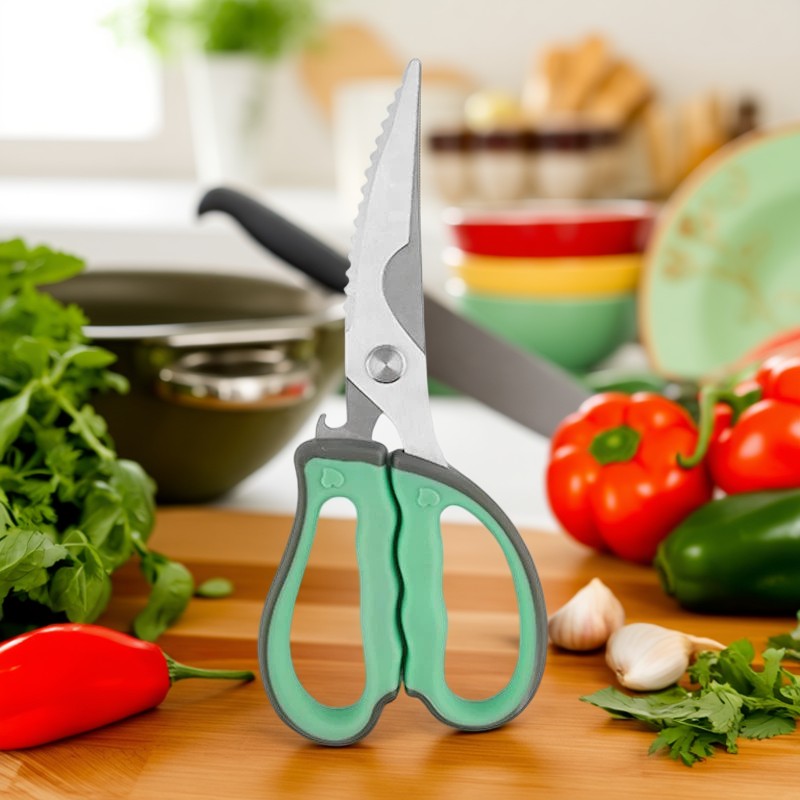
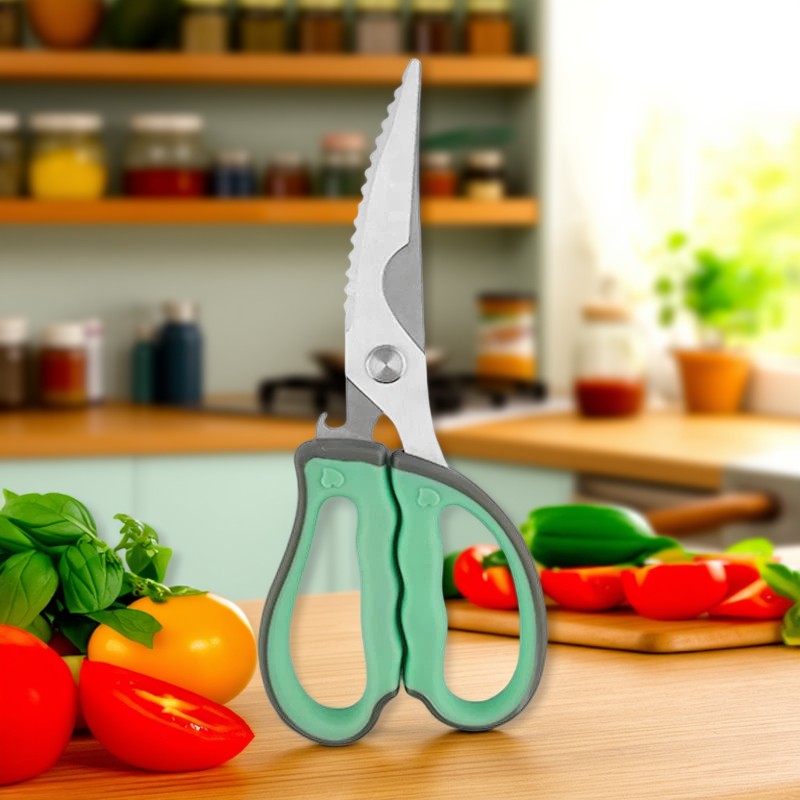
Stainless steel kitchen scissors are one of the most useful tools in a busy kitchen because they handle jobs that can be awkward with a knife. They can cut poultry into portions, trim herbs, snip vegetables, slice through meat, open food packaging, and help with small preparation tasks that need control rather than force. The original product shown here includes stainless steel blades, ergonomic soft-touch handles in a mint green finish with gray accents, a built-in bottle opener, a nutcracker function, and a serrated edge for gripping slippery surfaces or tasks such as scaling fish.
This guide explains how to evaluate kitchen scissors before buying, when to use them instead of a knife, and how to keep them clean and reliable. It is written for home cooks and small food-prep teams who want practical performance without unnecessary claims or confusing specifications.
Key Takeaways
- Choose stainless steel kitchen scissors with sharp blades, comfortable handles, and easy-to-clean surfaces.
- Use kitchen scissors for trimming meat, cutting poultry, snipping herbs, preparing vegetables, and opening packaging.
- Built-in features such as a bottle opener, nutcracker, or serrated edge can be useful if they match your cooking habits.
- Clean scissors promptly after raw meat or fish, dry them thoroughly, and store them safely to protect the edge.
What Makes Kitchen Scissors Different from Regular Scissors?
Kitchen scissors are designed for food preparation, so they need to cut through tougher, wetter, and more uneven materials than office scissors. A good pair should feel stable in the hand and provide enough leverage for repeated cuts. Stainless steel blades are commonly preferred because they resist everyday kitchen moisture better than many non-stainless materials and are suitable for frequent washing.
The handle also matters. The soft-touch ergonomic handle on this product is intended to improve grip comfort, especially during longer prep sessions. This can be helpful when trimming poultry, cutting multiple bunches of herbs, or preparing ingredients for a larger meal. A secure grip is not only more comfortable; it also helps you keep better control when foods are slippery.
Common Uses in the Kitchen
Multi-purpose kitchen scissors are not a replacement for every knife, but they are faster and safer for many small jobs. Instead of moving food to a cutting board for every task, you can cut directly over a bowl, pan, or plate when appropriate.
- Cutting poultry: Use the blades to divide small pieces, trim skin, or remove excess fat. For bones, check whether the scissors are designed for that level of force before applying pressure.
- Trimming meat: Scissors make it easier to remove thin strips of fat or cut cooked meat into serving-size pieces.
- Snipping herbs: Cut chives, parsley, cilantro, or scallions directly into a dish to reduce cleanup.
- Preparing vegetables: Trim leafy greens, cut green beans, or portion mushrooms with better control.
- Opening packaging: Use scissors for sealed bags, plastic wrappers, or cartons, then wash the blades before returning to food tasks.
- Handling slippery ingredients: A serrated edge can help grip fish skin or slick surfaces during prep.
Features to Compare Before Buying
Not all kitchen scissors are built the same. Some are simple cutting tools, while others add functions that may or may not be useful in your kitchen. The best choice depends on what you cook most often and how much maintenance you are willing to do.
| Feature to Check | Why It Matters | Practical Buying Tip |
|---|---|---|
| Stainless steel blades | Support durability and frequent washing in normal kitchen use. | Ask what type of stainless steel is used if material grade is important to you. |
| Sharp cutting edge | Reduces tearing and makes poultry, vegetables, and herbs easier to cut. | Look for clean cutting action with minimal blade wobble. |
| Ergonomic handle | Improves control and reduces hand strain during repeated cuts. | Choose a handle size and texture that suits your hand grip. |
| Serrated edge | Helps grip slippery foods and can assist with fish scaling. | Consider it if you often prepare fish or wet ingredients. |
| Built-in opener or nutcracker | Adds convenience and reduces the number of small tools needed. | Buy for these functions only if you will actually use them. |
| Ease of cleaning | Important after contact with raw meat, poultry, or fish. | Check whether the hinge area is accessible and easy to rinse. |
How to Use Kitchen Scissors Safely
Kitchen scissors are simple, but safe use still matters. Always cut away from your fingers and keep the food stable before applying pressure. If you need excessive force, stop and choose a more suitable tool. For example, heavy bones, frozen food, or hard shells may require specialized shears, a cleaver, or another tool designed for that purpose.
When switching between raw and ready-to-eat foods, wash the scissors first to reduce cross-contamination risk. This is especially important after raw poultry, raw meat, or seafood. If you use the built-in bottle opener or nutcracker function during cooking, inspect the blades afterward and clean any residue from the hinge and handle area.
Cleaning and Care Tips
Good cleaning habits extend the working life of kitchen scissors and help keep food preparation hygienic. Rinse the blades soon after use so juices, fibers, or sticky sauces do not dry on the surface. Wash with warm water and dish soap, paying attention to the hinge, serrated edge, and any integrated tool areas.
- Dry the scissors thoroughly after washing to reduce water spots and moisture buildup.
- Store them in a drawer organizer, knife block slot, or protective cover to prevent edge damage.
- Avoid using kitchen scissors on wire, cardboard stacks, or non-food materials that can dull the blades.
- If the cutting action becomes rough, inspect the hinge for trapped food before assuming the blades are dull.
- Sharpen only with a method suitable for the blade style, especially if one side is serrated.
When Kitchen Scissors Are Better Than a Knife
A knife is excellent for precise slicing and chopping, but scissors are often better for quick, controlled cuts. They are useful when food is small, flexible, or difficult to hold flat on a board. For example, cutting cooked bacon into pieces, trimming leafy greens, portioning noodles, or snipping dried fruit can be faster with scissors.
They also reduce mess in some situations. Instead of transferring herbs to a board, cutting them, and scraping them into a dish, you can snip them directly over the pot. This is one reason many cooks keep kitchen scissors within easy reach rather than storing them with occasional-use gadgets.
Practical FAQ
Can stainless steel kitchen scissors cut raw chicken?
Yes, kitchen scissors can be used to cut raw chicken, trim skin, or portion smaller pieces. If you plan to cut through bones, confirm that the scissors are designed for that task. Always wash and dry them thoroughly afterward.
Are kitchen scissors dishwasher safe?
Dishwasher suitability depends on the specific product design and handle material. If the supplier or packaging does not clearly state dishwasher use, hand washing is the safer approach because it protects the edge, hinge, and handle finish.
What is the purpose of a serrated edge?
A serrated edge helps grip slippery surfaces, which can be useful with fish skin, wet herbs, or smooth packaging. It may also assist with fish scaling, depending on the design.
How often should kitchen scissors be sharpened?
Sharpening frequency depends on use. If the scissors start crushing herbs, slipping on meat, or tearing packaging instead of cutting cleanly, they may need cleaning, hinge inspection, or sharpening.
Should I use the same scissors for food and packaging?
You can, but clean the blades after cutting packaging and before touching food. For frequent cooking, some households prefer one pair for food prep and another for general kitchen packaging.
Final Selection Advice
Choose stainless steel kitchen scissors based on the tasks you perform most often, not just the number of added features. Sharp blades, a comfortable grip, controlled cutting, and easy cleaning should come first. Extras such as a bottle opener, nutcracker function, and serrated edge are valuable when they support your normal cooking routine. With careful use and cleaning, a well-chosen pair can become one of the most frequently used tools in the kitchen.
