




Ultimate Stainless Steel Kitchen Scissors: Practical Use and Buying Guide
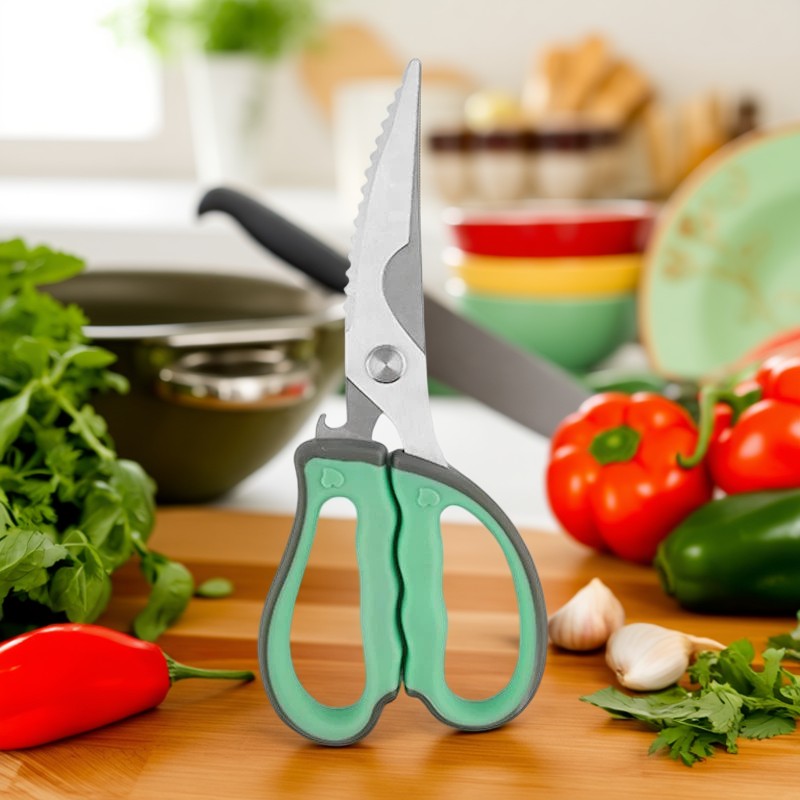
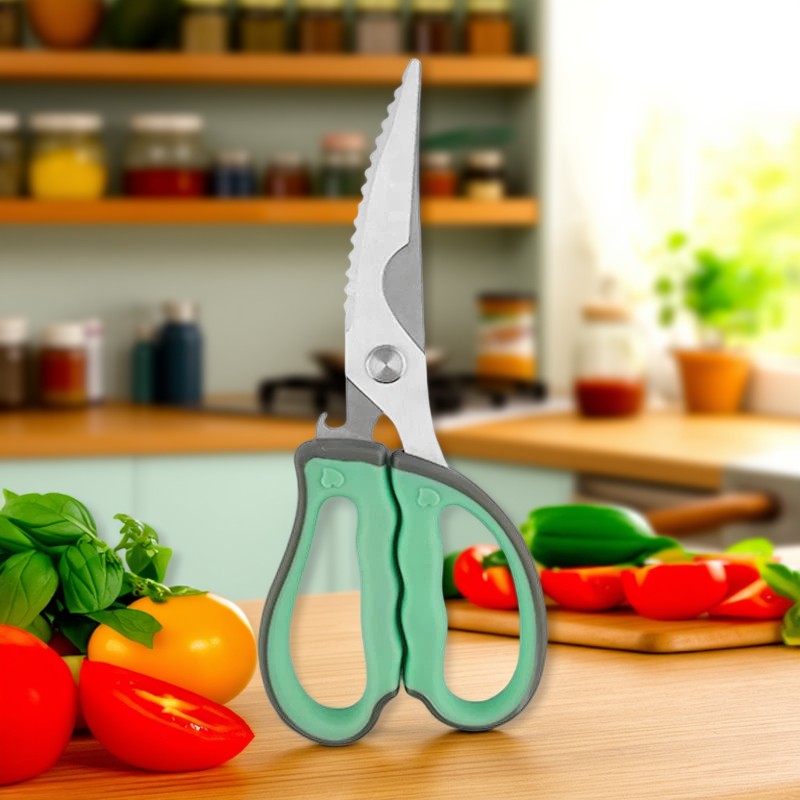
Stainless steel kitchen scissors are one of the most useful tools in a busy kitchen because they handle jobs that are awkward with a knife. The original product description highlights stainless steel blades, soft-touch ergonomic handles in a mint green finish with gray accents, and built-in functions such as a bottle opener, nutcracker, and serrated edge. Those features make the tool suitable for everyday preparation, but the best results come from knowing when to use scissors, how to choose them, and how to care for them properly.
Key Takeaways
- Stainless steel kitchen scissors are helpful for cutting meat, poultry, vegetables, herbs, food packaging, and other light kitchen tasks.
- Comfort matters: soft-touch ergonomic handles can reduce slipping and hand fatigue during longer prep sessions.
- Extra functions, including a bottle opener, nutcracker, and serrated gripping edge, can save drawer space when used appropriately.
- Clean and dry the blades after use, especially after cutting raw meat or poultry, to support hygiene and long-term performance.
- Before buying, check blade sharpness, grip comfort, cleaning instructions, and whether the tool is suitable for the foods you cut most often.
What Stainless Steel Kitchen Scissors Are Best Used For
Kitchen scissors are designed for controlled cutting in situations where a chef’s knife may be slower or less precise. They can trim herbs directly over a bowl, cut green onions into small pieces, open sealed food bags, and divide cooked noodles or thin flatbreads. The original article also notes uses such as slicing through meat, cutting poultry, and trimming vegetables.
For poultry, scissors can help trim skin, fat, or small sections. However, users should avoid forcing any kitchen scissors through hard bones unless the manufacturer clearly states that the tool is intended for that purpose. For vegetables, scissors are especially helpful for leafy greens, scallions, chilies, and soft stems. For packaging, they reduce the need to bring office scissors or utility knives into the food-prep area.
Design Features That Affect Daily Performance
The most important part of any pair of kitchen scissors is the blade. The original product information describes sharp, durable stainless steel blades. Stainless steel is commonly used in kitchen tools because it is practical for wet environments and food contact, but performance still depends on blade thickness, edge quality, hinge stability, and maintenance.
The handles are also important. This product is described with soft-touch handles in mint green with gray accents. A comfortable handle can make repetitive cutting easier, particularly when preparing several ingredients for a family dinner or party. A secure grip also helps when cutting slippery food surfaces, though users should still cut slowly and keep fingers clear of the blade path.
Additional features include a bottle opener, a nutcracker function, and a serrated edge. These can be convenient, but they should not replace dedicated heavy-duty tools for demanding jobs. For example, the nutcracker feature may be useful for light cracking tasks, while very hard shells may require a separate nutcracker designed for greater leverage.
Comparison and Selection Checklist
Before purchasing stainless steel kitchen scissors, compare the tool against your cooking habits rather than focusing only on appearance. The checklist below can help home cooks evaluate whether a pair is suitable.
| Feature to Check | Why It Matters | Practical Buying Question |
|---|---|---|
| Blade material | Affects cutting performance, durability, and maintenance needs. | Are the blades described as stainless steel, and are care instructions provided? |
| Blade edge | Sharp edges cut cleanly; serrated areas can help grip slippery foods. | Is there a serrated edge for gripping or scaling tasks? |
| Handle comfort | Reduces strain during repetitive cutting. | Do the handles feel secure, and are they suitable for your hand size? |
| Integrated functions | Can reduce the number of small tools in a drawer. | Will you actually use features such as the bottle opener or nutcracker? |
| Cleaning method | Food hygiene depends on removing residue around the hinge and blade. | Does the supplier provide clear cleaning and drying guidance? |
| Intended use | Prevents damage from using scissors beyond their purpose. | Are they intended for light prep only, or suitable for tougher kitchen tasks? |
How to Use Kitchen Scissors Safely and Efficiently
Good technique helps the tool cut better and last longer. Use the full blade length rather than only the tip when cutting thicker ingredients. Place food on a stable cutting board when possible, especially for meat or poultry, so the item does not twist in your hand. For herbs, hold a small bundle firmly and snip with short, even cuts.
- Use kitchen scissors only for food and kitchen packaging to avoid contamination from non-food materials.
- Cut raw meat and poultry separately from ready-to-eat foods, and wash the scissors immediately afterward.
- Do not twist the blades sideways while cutting, as this can stress the hinge.
- Keep the cutting edge away from children and store the scissors closed.
- If the scissors become dull, ask the supplier whether sharpening is recommended and what method is suitable.
Cleaning and Care Tips
After each use, remove food particles from the blades, hinge area, and any textured or serrated sections. Warm water and mild dish soap are usually appropriate for routine cleaning, but users should follow the care instructions supplied with the product. If the scissors are used for raw poultry or meat, wash them promptly and dry thoroughly before storage.
Do not leave kitchen scissors soaking in the sink for long periods. Moisture trapped around the hinge can affect smooth movement over time. Drying is also important for drawer storage, where tools often contact each other. If your scissors have a bottle opener or nutcracker area, check those surfaces for residue after use because small food particles can remain in gaps.
When Kitchen Scissors Are Better Than a Knife
A knife remains essential for chopping, mincing, and slicing large vegetables, but scissors are better for several quick jobs. They are convenient for cutting pizza slices smaller for children, snipping bacon into a pan, trimming excess fat, opening vacuum packs, cutting parchment paper, and portioning herbs. The controlled snipping motion often creates less mess than transferring small ingredients to a board for chopping.
Scissors are also useful for cooks with limited counter space. Instead of setting up a board for every small garnish, you can snip directly into a pot, bowl, or serving dish. That said, they should not be used as a universal replacement for knives. Hard roots, frozen foods, thick bones, and dense packaging may damage the blades if the scissors are not designed for those tasks.
FAQ
Can stainless steel kitchen scissors cut poultry?
They can be used for tasks such as trimming poultry skin, fat, and smaller sections. Avoid cutting hard bones unless the manufacturer clearly says the scissors are suitable for that use.
Are kitchen scissors safe for vegetables and herbs?
Yes. They are especially practical for herbs, green onions, chilies, leafy greens, and soft vegetable trimming. Wash them between different food types to avoid cross-contamination.
What is the benefit of a serrated edge?
A serrated area can help grip slippery surfaces and may assist with tasks such as fish scaling or holding food steady while cutting. Use it gently and clean the serrations carefully.
Do built-in bottle opener and nutcracker features matter?
They are useful if you want fewer small tools in the kitchen drawer. However, for frequent or heavy-duty bottle opening or nut cracking, a dedicated tool may be more comfortable.
How should I choose a pair for everyday cooking?
Look for stainless steel blades, a comfortable handle, stable blade movement, clear cleaning guidance, and features that match your actual prep habits. If details are missing, ask the supplier before purchasing.
