




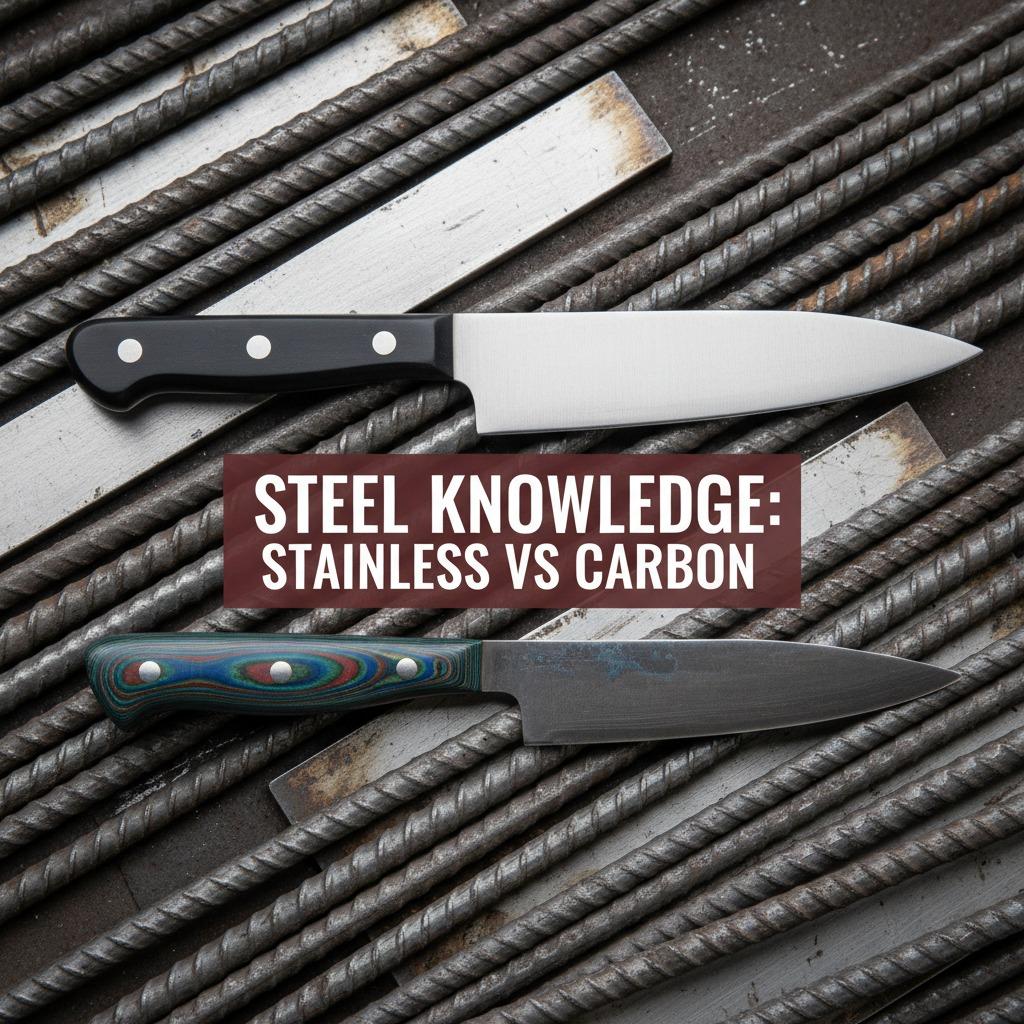
Reactive vs. Semi-Stainless Steels for Kitchen Knives
Choosing a kitchen knife is not only about blade shape, handle feel, or brand. The steel behind the edge strongly affects how the knife sharpens, how it behaves around acidic foods, and how much care it needs after daily use. Two common categories discussed by cooks and knife enthusiasts are reactive steels and semi-stainless steels. Both can perform very well, but they suit different habits and kitchen environments.
Kitchen knife buyers often hear that carbon steel is sharper and stainless steel is easier to maintain. The real decision is more nuanced. Reactive steels can take a very keen edge and develop a visible patina, while semi-stainless steels offer a middle ground between carbon-like cutting feel and better resistance to staining. This guide explains the differences in practical terms so you can choose with confidence.
Key Takeaways
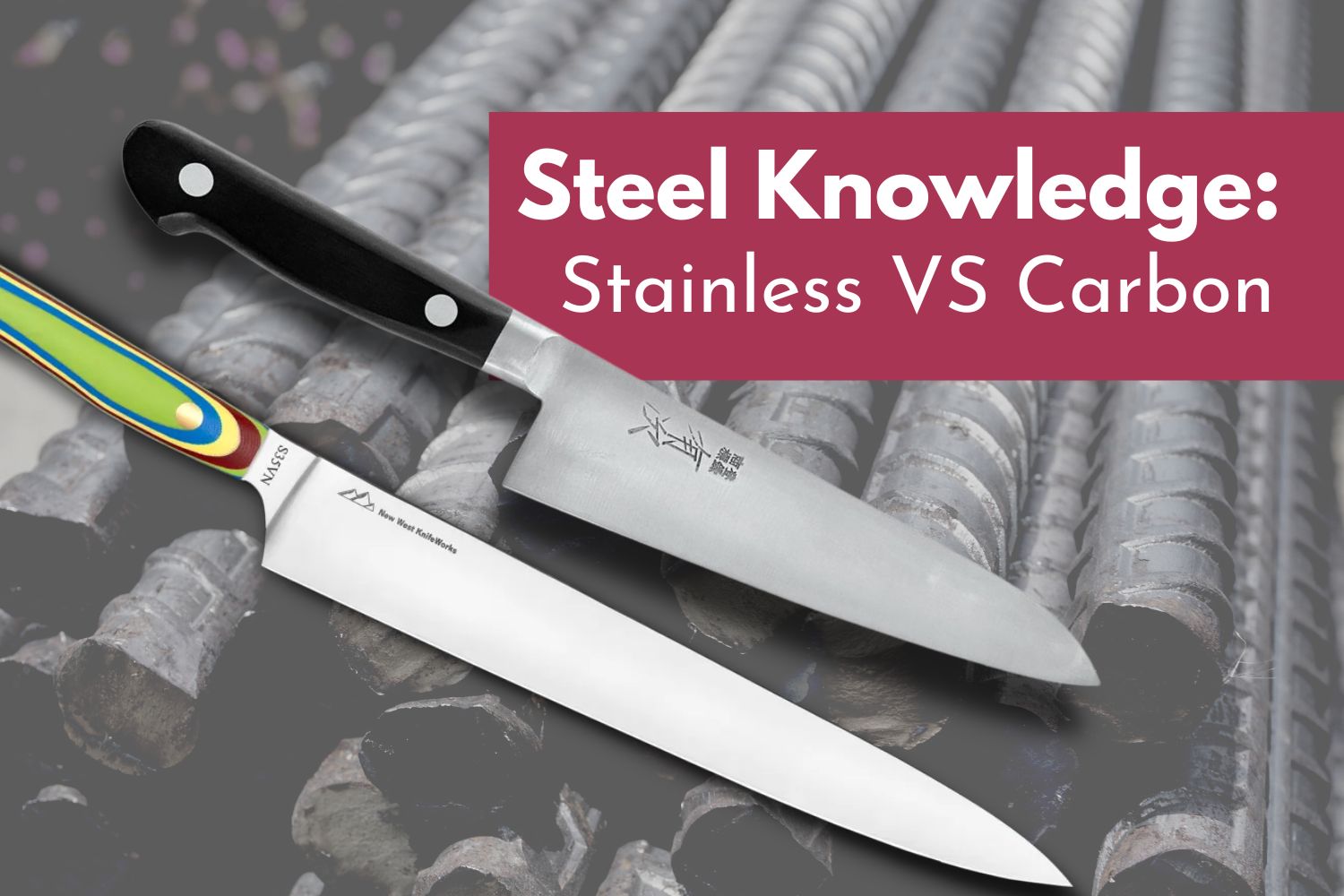
- Reactive steels are usually high-carbon, low-chromium steels that can stain, darken, or rust if left wet.
- Semi-stainless steels contain more chromium than reactive carbon steels, so they resist corrosion better but still need sensible care.
- Reactive steel is ideal for users who enjoy sharpening, patina, and careful maintenance.
- Semi-stainless steel is a practical choice for busy kitchens, shared households, and cooks who want less upkeep.
- The best kitchen knife steel depends on your habits, climate, cutting tasks, and willingness to dry the blade immediately.
What Is Reactive Steel?
Reactive steel generally refers to high-carbon, non-stainless knife steel. In many traditional Japanese kitchen knives, examples include White steel, Blue steel, and related high-carbon alloys. The original article noted that these steels may contain little to no chromium, often under 3%. Because chromium is limited, the blade surface reacts quickly with moisture, oxygen, salt, and acidic ingredients such as tomatoes, citrus, onions, and vinegar-based foods.
The visible result is patina: a grey, blue, brown, or multicolored surface change that develops with use. Patina is not the same as active red rust. A stable patina can become part of the knife’s character and may slightly reduce further reactivity, but it does not make the knife maintenance-free. If a reactive blade is left wet in the sink or stored before drying, rust spots can appear quickly.
Many cooks like reactive steel because it can feel crisp on the cutting board and responsive on whetstones. It is often easy to sharpen to a fine edge. However, the tradeoff is discipline. A reactive kitchen knife asks the user to wipe it during prep, wash it by hand, dry it immediately, and store it in a dry place.
What Is Semi-Stainless Steel?
Semi-stainless steel sits between reactive carbon steel and fully stainless steel. The original article described this category as typically containing about 3% to 12% chromium. That additional chromium improves corrosion resistance, although it may not provide the same level of stain resistance as a full stainless kitchen knife. In real use, semi-stainless blades may still darken slightly, especially around acidic foods, but they are usually more forgiving than reactive carbon steel.
Examples often discussed in knife circles include Ginsan and SLD/SKD-type steels, though naming and composition vary by maker. For a buyer, the exact steel name is only part of the picture. Heat treatment, blade geometry, edge thickness, and sharpening quality also matter. A well-made semi-stainless knife can be a dependable daily tool for cooks who want strong cutting performance without constantly worrying about water droplets.
Semi-stainless does not mean careless. It should still be hand washed, dried after use, and kept away from dishwashers. The benefit is that it tolerates normal kitchen rhythm better than a highly reactive carbon blade.
Reactive vs. Semi-Stainless Steel Comparison
| Selection Point | Reactive Steel | Semi-Stainless Steel | Practical Choice |
|---|---|---|---|
| Corrosion resistance | Low; stains or rusts if neglected | Moderate to good; still not fully maintenance-free | Semi-stainless for easier care |
| Patina | Develops quickly and visibly | Light, slow, or minimal depending on steel | Reactive if you enjoy patina |
| Sharpening feel | Often very responsive on stones | Often close to carbon steel, depending on alloy | Either, if you sharpen regularly |
| Daily maintenance | High; wipe and dry during use | Medium; wash and dry after use | Semi-stainless for shared kitchens |
| Best environment | Careful users, dry storage, controlled workflow | Busy prep, humid kitchens, mixed users | Depends on your habits |
| Beginner suitability | Better for committed learners | More forgiving for most first-time buyers | Semi-stainless for lower risk |
How to Choose the Right Kitchen Knife Steel
Start with your actual cooking routine rather than the most impressive steel name. If you prep slowly, clean as you go, and enjoy maintaining tools, a reactive steel knife can be rewarding. It gives immediate feedback, builds character over time, and encourages good sharpening habits. It is less suitable if several people use the same knife and not everyone knows how to care for carbon steel.
If you cook quickly after work, share a kitchen, or live in a humid area, semi-stainless is often the safer choice. It gives you much of the performance associated with carbon steel while reducing the risk of rust from a forgotten wipe. For many households, semi-stainless is a better first step into higher-performance kitchen knives.
Before buying, ask clear product questions. What steel is used? Is the blade mono-steel or clad? What maintenance does the supplier recommend? Is the knife intended for hard foods, bones, or frozen items? What sharpening angle and stone range are suitable? If these details are not listed, request them from the seller rather than assuming all knives in a category behave the same.
Care Tips for Each Steel Type
Good care extends the useful life of any kitchen knife. Neither reactive nor semi-stainless steel should go in a dishwasher. Heat, detergent, vibration, and prolonged moisture can damage the blade edge and handle.
- For reactive steel: wipe the blade during prep, especially after cutting acidic ingredients. Wash by hand, dry immediately, and store in a dry block, sheath, or magnetic rack.
- For semi-stainless steel: wash and dry after use. Do not leave it in a wet sink, even if it is more corrosion resistant than carbon steel.
- For both: use an appropriate cutting board, avoid twisting the edge through hard foods, and sharpen with suitable whetstones when performance drops.
- For storage: make sure the knife is completely dry before placing it in a saya, guard, drawer insert, or roll.
Common Mistakes to Avoid
The biggest mistake is treating reactive steel as if it were ordinary stainless steel. A few minutes on a wet board may be harmless, but leaving the blade dirty for longer periods can cause staining or rust. Another mistake is confusing patina with damage. Patina is usually smooth and integrated into the surface, while rust is often orange-red, rough, or powdery and should be removed promptly.
With semi-stainless steel, the common error is overconfidence. The name suggests easier maintenance, not zero maintenance. A semi-stainless kitchen knife can still spot or discolor if exposed to salt, moisture, or acidic food for too long. Finally, avoid choosing only by steel label. Grind, edge geometry, handle comfort, and intended use are just as important to daily cutting performance.
FAQ
Is reactive steel better than semi-stainless steel?
Not automatically. Reactive steel may appeal to users who value patina, easy sharpening, and a traditional cutting feel. Semi-stainless steel is often better for cooks who want strong performance with less risk of rust.
Will semi-stainless steel rust?
It can rust or stain if neglected. It is more corrosion resistant than reactive carbon steel, but it should still be washed by hand and dried after use.
Is patina bad for a kitchen knife?
No. A stable patina is a normal surface change on reactive steel. It is different from active red rust. If the blade feels rough, orange, or flaky, clean and dry it promptly.
Which steel is better for a beginner?
For most beginners, semi-stainless steel is more forgiving. Reactive steel is a good option if the user is ready to learn careful washing, drying, storage, and sharpening habits.
Can I cut citrus or tomatoes with reactive steel?
Yes, but wipe and wash the blade soon after. Acidic ingredients accelerate patina and can contribute to rust if residue remains on the blade.
Final Recommendation
Choose reactive steel if you enjoy hands-on maintenance and want a knife that changes visually with use. Choose semi-stainless steel if your priority is dependable everyday performance with fewer care demands. For many cooks, the best long-term approach is to match the steel to the kitchen routine: careful enthusiasts may appreciate reactive carbon steel, while busy households usually benefit from semi-stainless convenience.
