




Multi-Function Outdoor Scissors: Practical Selection and Use Guide
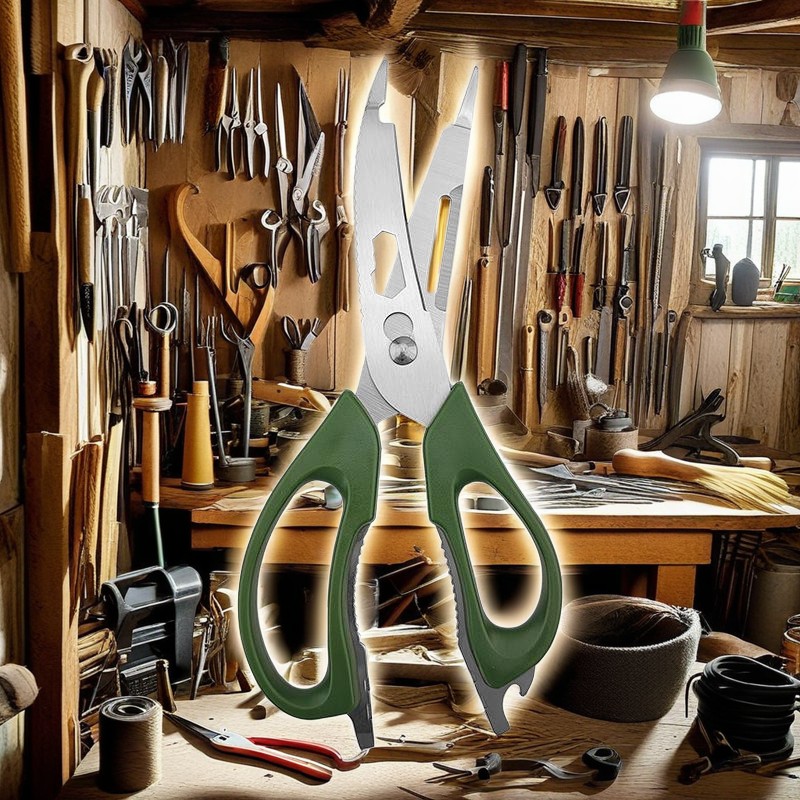
Outdoor scissors are often overlooked until a campsite, picnic table, boat bag, or home workshop suddenly needs a safe cutting tool. A well-designed multi-function pair can help with food packaging, light rope cutting, meal preparation, fish scaling, bottle opening, and small repair tasks. The original Bonet Houseware article introduced a compact outdoor scissors design with stainless steel blades, a serrated edge, a green ergonomic handle, and added functions such as a nutcracker-style grip, bottle opener, can opener, and internal tong-like grip. This guide explains how to evaluate those features in real use, how to compare options, and how to care for the tool so it remains practical for repeated outdoor and household tasks.
Key Takeaways
- Multi-function outdoor scissors are best for light to medium tasks such as packaging, food prep, rope trimming, and campsite convenience jobs.
- Look closely at blade material, serration, handle comfort, locking or storage method, and cleaning access before buying.
- Stainless steel helps with corrosion resistance, but buyers should still dry the tool after wet or salty use.
- Do not assume all models are suitable for heavy wire, branches, bone, or industrial cutting unless the supplier states that use clearly.
What Multi-Function Outdoor Scissors Are For
Unlike ordinary office scissors, outdoor scissors are designed for varied tasks where a knife may be less convenient or less controlled. On a camping trip, they may open thick food packaging, trim cord, cut soft plastic wrap, prepare ingredients, or help with fishing-related tasks such as scaling fish. At home, the same tool can sit in a kitchen drawer or utility kit for DIY packaging, garden ties, and general repair needs.
The value is not that one tool replaces every specialist tool. Instead, it reduces the number of small items you need to carry for everyday outdoor work. A compact pair with multiple functions can be useful in a backpack, RV drawer, picnic kit, tackle box, or emergency household kit. The right choice depends on what you actually cut most often and how easy the scissors are to clean after use.
Blade and Cutting Features to Check
The source article identifies stainless steel blades and a serrated edge. Stainless steel is commonly chosen for tools exposed to moisture because it can resist corrosion better than many non-stainless metals. However, stainless steel is not maintenance-free. Saltwater, acidic food, soil, and trapped moisture can still stain or dull the blade over time, so rinsing and drying matter.
A serrated edge is useful when the material tends to slip away from a smooth blade. Examples include rope, thicker food bags, some soft plastics, and fish skin. For buyers comparing outdoor scissors, the key questions are simple: do the blades meet evenly from base to tip, do they cut cleanly without crushing the material, and is the pivot stable when pressure is applied? If the tool will be used around food, also check whether the blade area is easy to wash and whether any crevices trap residue.
Multi-Tool Functions: Useful or Unnecessary?
The original article mentions several added functions: a nutcracker for hard shells, a bottle opener, a can opener, and an internal grip that can work like tongs for more precise handling. These features can be valuable outdoors, especially when you want to carry fewer separate tools. Still, more functions do not automatically mean better performance.
When evaluating a multi-function design, consider whether each feature is comfortable and safe to use. A bottle opener should provide enough leverage without forcing your hand toward the blade. A nutcracker-style section should be positioned where pressure feels controlled. If a can opener is included, ask how it should be used and whether it is intended for occasional campsite use rather than frequent kitchen use. A tong-like grip may help lift hot or small items, but it should not be treated as a replacement for insulated cooking tongs when heat exposure is high.
Comparison Checklist Before You Buy
Use the checklist below to compare outdoor scissors for camping, household, or travel kits. If you are sourcing for resale or bulk purchasing, ask the supplier to confirm details that are not shown in the product listing.
| Feature | What to Look For | Question to Ask |
|---|---|---|
| Blade material | Stainless steel is useful for moisture-prone environments. | What stainless steel type is used, if specified? |
| Serrated edge | Helps grip rope, packaging, and slippery food surfaces. | Is one blade serrated or both? |
| Handle design | Ergonomic green handle described in the original article should feel secure when wet. | Is the handle comfortable for different hand sizes? |
| Multi-tool functions | Nutcracker, bottle opener, can opener, and tong-like grip can reduce extra tools. | Which functions are intended for regular use? |
| Cleaning | Smooth surfaces and accessible pivots make hygiene easier. | Can the scissors be separated or fully opened for cleaning? |
| Portability | Compact layout fits backpacks, tool kits, or kitchen drawers. | Is a sheath, cover, or storage guard included? |
Best Uses in Camping, Fishing, and Home Tasks
For camping, outdoor scissors are practical for opening meal packs, cutting string, trimming soft plastic, preparing vegetables, and handling small campsite repairs. For fishing or waterside use, the serrated blade and fish-scaling ability noted in the source can be helpful, provided the tool is cleaned promptly after contact with fish or water. Around the home, the same scissors can assist with cartons, food pouches, garden ties, craft materials, and kitchen packaging.
It is also important to know the limits. Outdoor scissors are not automatically suitable for cutting metal wire, thick branches, frozen food, bone, or hard construction materials. Using the wrong tool can damage the blade or pivot and increase the chance of injury. If you need heavy-duty cutting, choose a tool designed specifically for that job.
Use and Care Tips for Longer Service
- Rinse the blades after cutting food, fish, soil-covered materials, or anything sticky.
- Dry the pivot and handle area carefully before storing the scissors in a drawer or backpack.
- Avoid twisting the blades while cutting; use straight, steady pressure.
- Keep the cutting edge away from sand and grit, which can dull the blade.
- Store the scissors closed, ideally in a cover or separate pocket, to protect both the edge and nearby gear.
- If the pivot becomes stiff, check the supplier’s care instructions before adding oil, especially if the scissors are used for food preparation.
Routine cleaning is especially important for a multi-function tool because openers, grips, and serrations can collect residue. If the scissors are used for both food and non-food jobs, wash them thoroughly between uses to reduce cross-contamination.
Practical FAQ
Are multi-function outdoor scissors better than a camping knife?
They serve different purposes. Scissors provide controlled cutting for packaging, rope, food prep, and soft materials. A knife may be better for carving or slicing on a board. Many outdoor kits benefit from both.
Can these scissors cut rope?
The source article states they can cut rope during outdoor activities. For best results, use them on light to moderate rope and avoid forcing the blades through material that feels too dense.
Are stainless steel outdoor scissors rustproof?
No tool should be treated as completely rustproof. Stainless steel improves corrosion resistance, but drying after rain, fish cleaning, or salty environments remains important.
Can I use the nutcracker and opener functions every day?
They are convenient added functions, but frequency depends on the design and supplier guidance. If you plan daily use, ask about durability, cleaning, and intended load before purchasing.
What should B2B buyers confirm before sourcing outdoor scissors?
Ask the supplier about blade material details, packaging options, storage cover, care instructions, function testing, available customization, order quantities, lead time, and any documents required for your market. Do not assume certifications or specifications unless they are provided in writing.
Final Buying Advice
A good pair of multi-function outdoor scissors should feel controlled, cut cleanly, wash easily, and offer extra functions you will actually use. The stainless steel blades, serrated edge, ergonomic green handle, and compact multi-tool layout described in the original article point to a practical everyday outdoor tool. Before choosing one, match the scissors to your main tasks, confirm missing technical details with the supplier, and plan simple maintenance so the tool remains reliable in your pack, kitchen drawer, or campsite kit.
