




How to Choose and Use a 3-Piece Knife Set
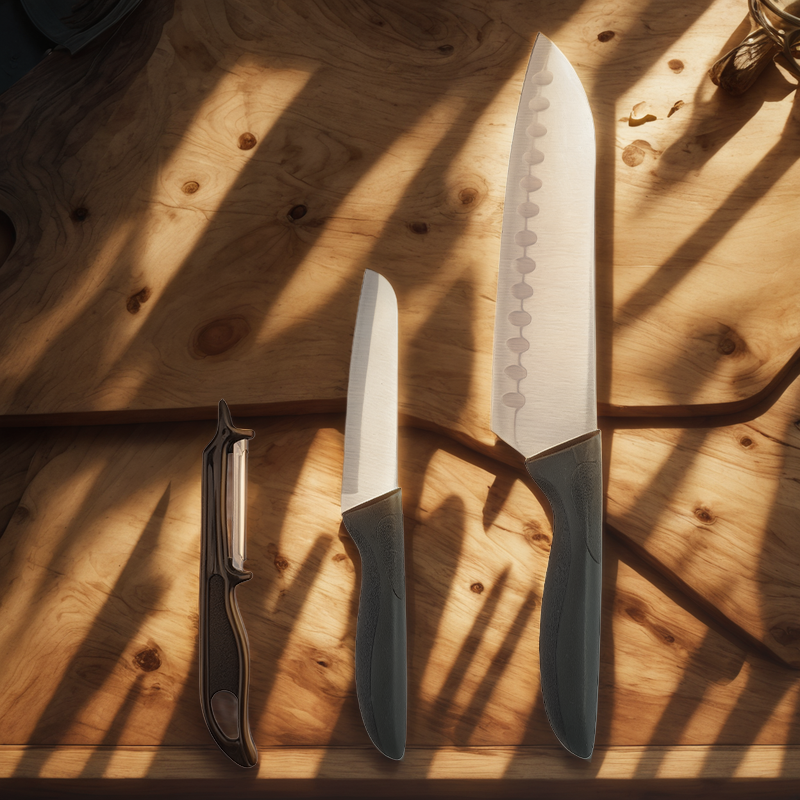
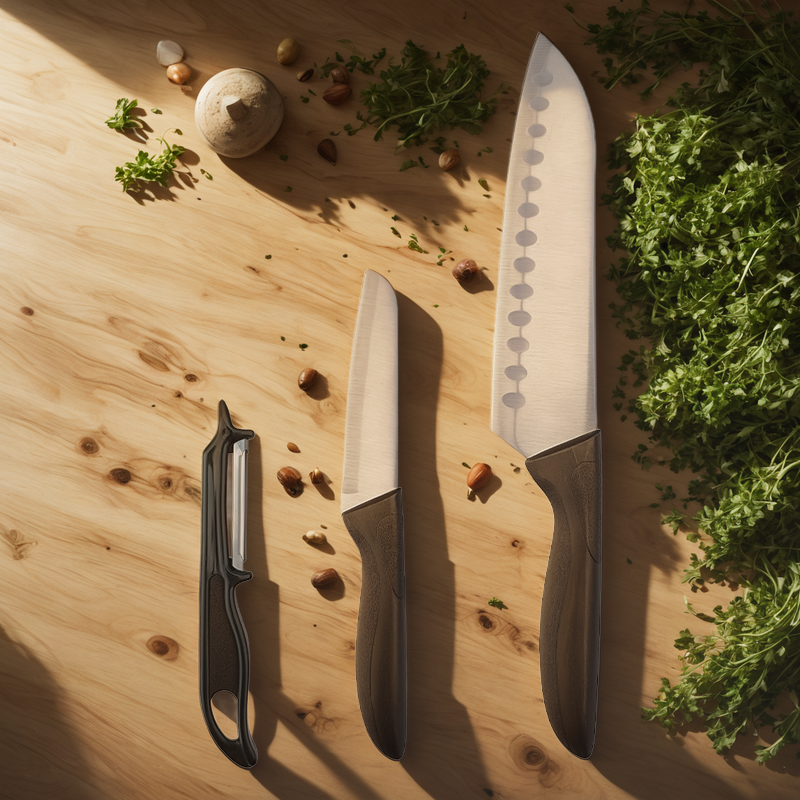
A well-planned 3-piece knife set can cover most daily kitchen preparation without crowding a drawer with tools you rarely use. The original set described for Bonet Houseware focuses on three practical pieces: a santoku-style knife, a utility knife and a precision peeler. Together, they are intended for slicing, trimming, peeling and other common prep tasks for vegetables, fruit, meat and fish. The key is understanding what each piece does best, how to judge comfort and control, and how to care for the edges so the set stays useful over time.
Key Takeaways
- A 3-piece set is best for cooks who want a simple, versatile core kit rather than a large knife block.
- The santoku-style knife handles most chopping and slicing, while the utility knife works for smaller precision tasks.
- A peeler improves speed and consistency when preparing fruit and vegetables.
- Comfort, grip, blade care and safe storage matter as much as sharpness.
- Before buying, check the exact materials, handle construction and care instructions provided by the supplier.
What Is Usually Included in a 3-Piece Knife Set?
A compact knife set normally aims to solve everyday cutting jobs with a small number of pieces. In this case, the original article describes a santoku-style knife, a utility knife and a peeler. The santoku is the main work tool for repetitive cutting. It is commonly used for vegetables, boneless meat and fish preparation, especially when you need clean slices or quick chopping. Some santoku blades use shallow hollow-edge dimples to help reduce friction and food sticking, though buyers should confirm whether this exact feature is included in the specific product version.
The utility knife sits between a chef-style knife and a paring knife. It is useful when a large blade feels excessive but a very small knife does not provide enough reach. It can trim produce, slice small fruits, portion sandwiches, or work around delicate ingredients. The peeler completes the set by removing skins from potatoes, carrots, apples and other produce with less waste than a dull or unsuitable knife.
Which Tool Should You Use for Each Prep Task?
Choosing the right tool improves both speed and safety. A large blade used for tiny trimming work can feel awkward, while a small knife used for big vegetables can require too much force. Use the following table as a practical reference.
| Kitchen task | Best tool in the set | Why it fits | Use tip |
|---|---|---|---|
| Chopping onions, cucumbers or herbs | Santoku-style knife | Broad blade supports efficient, repeated cuts | Use a stable cutting board and keep fingertips curled back |
| Slicing boneless meat or fish | Santoku-style knife | Longer edge helps create cleaner slices | Let the blade do the work; avoid sawing with heavy pressure |
| Trimming fruit or small vegetables | Utility knife | Smaller blade offers better control | Cut away from your hand and work slowly around curves |
| Peeling potatoes, carrots or apples | Peeler | Designed to remove thin layers with less waste | Use even strokes and rinse the blade when peel builds up |
| Detailed garnish or small prep | Utility knife or peeler | Allows controlled movement for detail work | Choose the tool that feels more stable for the ingredient |
How to Evaluate Comfort and Control
A knife that looks sharp is not automatically the right knife for your kitchen. Comfort matters because cutting often involves repeated motion. The original article notes ergonomic, textured handles as a user-experience consideration. When evaluating any set, look for a handle that feels secure when your hand is dry and when it is slightly damp. The handle should not twist during cutting, and the balance should feel natural rather than blade-heavy or handle-heavy.
If you are comparing options online, review product photos from multiple angles and read the supplier’s handle description carefully. Ask whether the handle surface is textured, smooth, soft-touch or rigid. For shared kitchens, a neutral handle size may be more practical than a highly shaped handle that fits only one hand type. If the knives will be used for long prep sessions, avoid sharp handle edges or seams that could create pressure points.
Blade Material and Construction Questions to Ask
The source article refers to stainless steel blades and durability, but it does not provide a specific steel grade, hardness rating or coating information. For an informed purchase, treat those details as questions to verify rather than assumptions. Stainless steel is widely used for kitchen knives because it can offer practical resistance to corrosion, but performance still depends on the exact alloy, heat treatment, blade thickness and edge geometry.
Before choosing a set, ask the seller or supplier:
- What blade material is used, and is a steel grade available?
- Is the santoku blade plain-edge, hollow-edge, or another design?
- What are the recommended washing and drying instructions?
- Are the handles fixed mechanically, bonded, molded or made in another way?
- Is the peeler blade replaceable or fixed?
- What warranty or after-sales support applies to normal household use?
These questions are especially useful if you are buying for a rental property, cooking class, office pantry or other setting where several people may use the same tools.
Safe Use: Small Habits That Prevent Problems
Good knives make prep easier, but they still require safe handling. Always cut on a stable board, not on glass, stone counters or plates. Place a damp cloth under the cutting board if it slides. Keep the food flat whenever possible; for example, cut a round potato in half first so it sits securely before slicing.
Use the santoku for broad chopping and slicing, not as a can opener, screwdriver, ice pick or bone chopper. The utility knife should be used with controlled strokes rather than force. For the peeler, keep fingers clear of the peeling path and move the tool steadily instead of rushing. After use, wash the pieces promptly and avoid leaving them loose in a sink where someone may reach in without seeing the blade.
Cleaning, Sharpening and Storage
Knife care is straightforward, but consistency matters. Hand washing is the safest default unless the supplier’s instructions specifically state otherwise. Use mild dish soap, rinse well and dry immediately to reduce water spots and protect handles. Avoid soaking knives for long periods because water can affect handle joints or finishes depending on construction.
For edge care, use a suitable honing tool or sharpener according to the knife type and manufacturer guidance. A dull knife is often more dangerous than a sharp one because it requires extra pressure. Store the set in a knife guard, drawer insert, magnetic strip or block so the edges do not hit other utensils. The peeler should also be stored where its blade will not be damaged or accidentally touched.
Who Benefits Most from a 3-Piece Set?
This type of set is a sensible choice for small households, first apartments, secondary kitchens and cooks who prefer a minimalist setup. It can also be useful as a starter kit before investing in more specialized tools such as bread knives, carving knives or heavy cleavers. However, it is not the answer to every cutting job. If you frequently cut crusty loaves, frozen foods, hard bones or very large squash, you may need additional tools designed for those tasks.
The best reason to choose a 3-piece knife set is clarity. Each item has a role, and the set encourages better tool selection without creating clutter. When the santoku, utility knife and peeler are comfortable, easy to clean and properly stored, they can handle a large share of everyday meal preparation.
Practical FAQ
Is a 3-piece knife set enough for daily cooking?
For many home kitchens, yes. A santoku-style knife, utility knife and peeler can handle common vegetable, fruit and boneless protein prep. You may still want a bread knife or specialty knife for specific tasks.
Should I choose a hollow-edge santoku?
Hollow-edge dimples can help reduce sticking with some foods, but performance varies by blade design and ingredient. Confirm whether the product includes this feature before buying.
Can I put the knives in a dishwasher?
Follow the supplier’s care instructions. As a general care habit, hand washing and immediate drying are safer for preserving edges and handles.
How often should I sharpen the knives?
It depends on frequency of use, cutting surface and storage. If the knife crushes tomatoes, slips on onion skin or requires extra pressure, it likely needs edge maintenance.
What should I check before purchasing?
Confirm blade material, handle design, included pieces, care instructions, storage recommendations and any support terms. Do not rely only on product photos when comparing sets.
