




Unlock Precision with Quality Cutting Scissors
Quality cutting scissors can make sewing, crafting, and everyday material preparation noticeably easier. A clean cut is not only about sharpness; it also depends on blade alignment, handle comfort, cutting control, and how well the tool is maintained. When scissors drag, snag, or crush fabric edges, the work becomes slower and less accurate. When the tool fits the task, cuts feel smoother and the finished result looks cleaner.
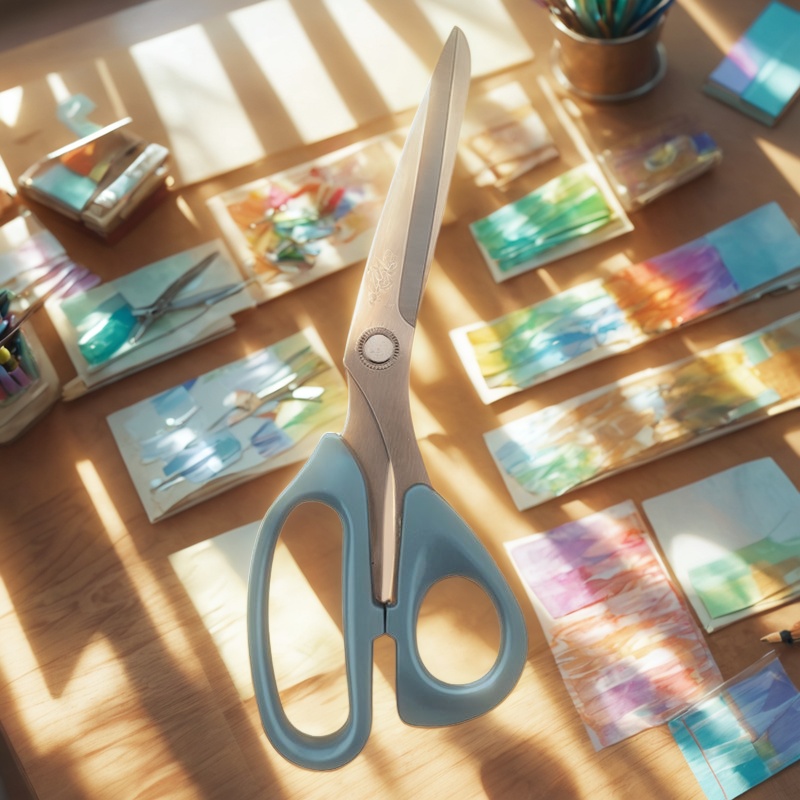
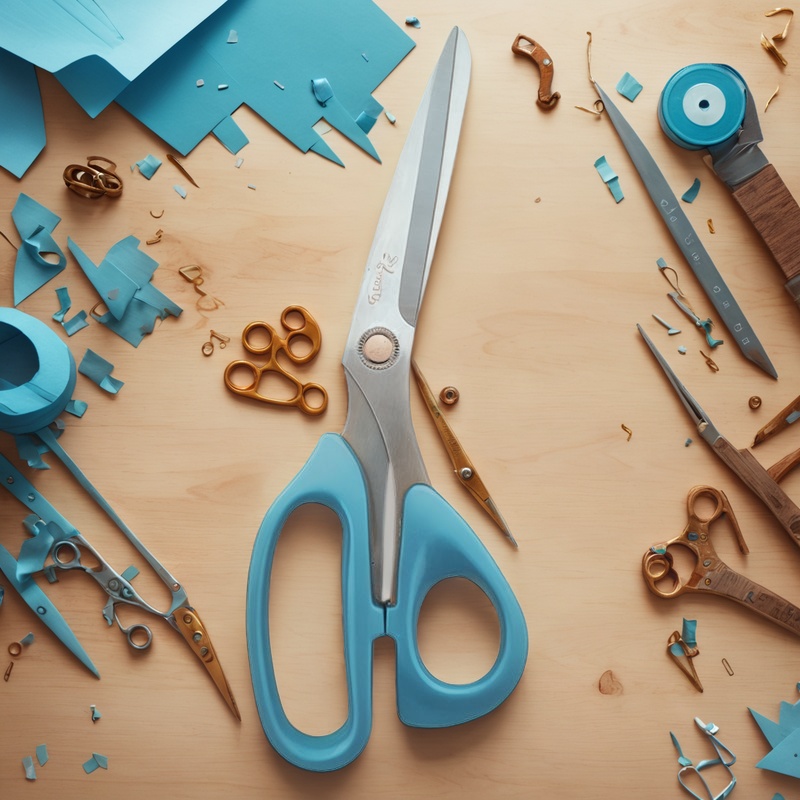
The blue cutting scissors shown here are designed around several practical features mentioned in the original product description: ergonomic handles, a textured grip, stainless steel blades, a slender blade shape, and a screw joint that supports smooth movement and tension adjustment. This guide explains what those details mean, how to evaluate scissors for your own projects, and how to care for them so they stay useful for longer.
Key Takeaways
- Choose scissors based on the material you cut most often, not only on appearance or size.
- Ergonomic handles and a textured grip can improve control during longer sewing or craft sessions.
- Stainless steel blades are valued for durability, but they still need cleaning and proper storage.
- A screw joint can help maintain smoother action when tension is correctly adjusted.
- Keep fabric scissors separate from paper, cardboard, wire, and adhesive materials to protect the cutting edge.
What Makes Cutting Scissors “Quality”?
A quality pair of cutting scissors should deliver predictable results. The blades should meet cleanly from the pivot to the tips, the handles should allow steady pressure, and the movement should feel smooth rather than loose or stiff. For fabric work, the difference is especially clear: good scissors glide through material, while poor scissors push fabric forward, leave jagged edges, or require repeated passes.
Quality also means consistency. If you are cutting pattern pieces, trimming seams, preparing craft materials, or working on detailed shapes, you need the tool to behave the same way from the first cut to the last. That is why blade construction, handle shape, and joint stability matter as much as initial sharpness.
Ergonomic Handles and Cutting Control
Hand comfort is a practical issue for anyone who cuts for more than a few minutes at a time. Ergonomic handles are shaped to support a more natural grip, which may reduce strain compared with hard, narrow, or awkwardly shaped handles. This is useful for sewing, quilting, costume work, packaging preparation, and hobby projects where repeated cutting is common.
The original description notes that these blue scissors include a textured grip. A textured surface can help reduce slipping, particularly when hands become tired or when you need to guide the blades along a precise line. Good grip does not replace careful technique, but it can help you maintain steadier pressure and cleaner direction.
Blade Material, Shape, and Fabric Performance
The source article describes the blades as stainless steel. Stainless steel is commonly chosen for cutting tools because it offers durability and resistance to everyday corrosion when properly cared for. However, even stainless steel scissors should be kept dry, wiped clean after use, and stored away from damp areas.
Blade shape also affects performance. A slender blade profile can be helpful when making longer straight cuts as well as more detailed trimming. For fabric, the goal is to cut without pulling threads out of position. If you mainly work with textiles, look for scissors that close evenly and cut all the way to the tip. Before making an important cut, test on a scrap of the same fabric if possible.
Comparison Checklist: Match Scissors to Your Task
| Use Case | What to Look For | What to Avoid |
|---|---|---|
| Fabric cutting | Sharp blades, smooth pivot action, comfortable handle, clean tip cutting | Using the same scissors for paper, cardboard, or adhesive tape |
| Detailed craft work | Good control, stable grip, slender blade shape for tighter cuts | Oversized scissors that block visibility around the cutting line |
| Long cutting sessions | Ergonomic handles and textured grip to support comfort | Handles that pinch, rub, or force an unnatural hand position |
| Mixed household materials | A dedicated general-purpose pair separate from fabric scissors | Expecting one pair to stay sharp after cutting all materials |
| Precision sewing projects | Clean blade alignment and adjustable screw joint if available | Loose pivot action that folds or chews fabric instead of cutting |
How to Use Fabric Scissors Correctly
Even the best fabric scissors perform better with the right technique. Lay fabric flat on a stable surface and avoid lifting it too much while cutting, because lifted fabric can shift and distort the line. Use long, controlled strokes for straight cuts and shorter strokes for curves or corners. Try to keep the lower blade in contact with the table when cutting larger fabric pieces; this can improve stability and reduce uneven edges.
- Reserve your best fabric scissors for textile use only.
- Mark cutting lines clearly before starting.
- Cut on a clean surface free from pins, grit, glue, or metal fragments.
- Test on a scrap piece when working with delicate or unfamiliar fabric.
- Close the scissors fully and store them safely after use.
Avoid cutting over pins unless the scissors are specifically intended for that type of contact. Hitting hard objects can damage the blade edge or affect alignment. If you need to cut paper patterns, consider using separate paper scissors before moving to fabric.
Care and Maintenance for Longer Tool Life
Scissors do not need complicated maintenance, but they do need consistent care. After use, wipe the blades with a clean, dry cloth to remove lint, dust, and residue. If the scissors are used near adhesive-backed materials, clean residue carefully because sticky buildup can affect blade movement and cutting accuracy.
The original article mentions a robust screw joint that allows tension adjustment. If a screw joint becomes too loose, the blades may separate slightly and fold fabric instead of cutting it. If it is too tight, the scissors may feel stiff and tiring to use. Adjust gradually, if the design allows, and test after each small change. Do not force the joint or overtighten it.
Store scissors closed in a drawer, tool roll, or protective case. Keeping them closed helps protect both the blade edge and the user. Avoid leaving them in humid locations or tossing them into a crowded box where the tips and edges can hit other tools.
When Should You Replace or Sharpen Scissors?
If scissors begin to leave uncut threads, chew fabric, or require extra pressure, they may need sharpening, adjustment, or replacement. First check for lint, adhesive residue, or a loose joint. If cleaning and tension adjustment do not help, sharpening may restore performance. For sewing scissors, professional sharpening is often safer than aggressive at-home grinding, especially if you are not familiar with blade angles.
Replacement may be the better choice if the blades are bent, the tips no longer meet, the handles are cracked, or the joint cannot hold tension. A damaged tool can slow down work and may compromise accuracy, particularly on expensive fabric or detailed craft projects.
Practical FAQ
Can I use quality cutting scissors for both fabric and paper?
You can, but it is not recommended if you want them to stay sharp for fabric. Paper and cardboard can dull the edge more quickly. Keep a dedicated pair for fabric and another for general use.
Are ergonomic handle scissors only for professionals?
No. Ergonomic handles can benefit beginners, hobbyists, students, and professionals. They are especially useful when cutting for longer periods or when you need steady control.
What does an adjustable screw joint do?
A screw joint can help control blade tension. Correct tension supports smooth opening and closing while helping the blades meet properly during the cut.
How do I know if scissors are suitable for delicate fabric?
Test on a small scrap first. Suitable scissors should cut cleanly without pulling, fraying, or shifting the fabric. A slender blade and clean tip action can help with detailed areas.
How should I clean stainless steel scissors?
Wipe them dry after use and remove lint or residue from the blades and joint area. Avoid storing them wet, and do not use harsh cleaning methods that could damage the handles or pivot.
Final Buying Advice
When choosing quality cutting scissors, focus on the way the tool performs in your hand and on your materials. Look for sharp stainless steel blades, a comfortable ergonomic handle, a secure textured grip, and smooth joint action. If the scissors include an adjustable screw joint, learn how to check the tension and maintain it carefully. With the right selection and care habits, cutting becomes more accurate, less tiring, and more consistent across sewing and craft projects.
