




Tailor Scissors Made in China: A Practical Sourcing Guide for Professionals
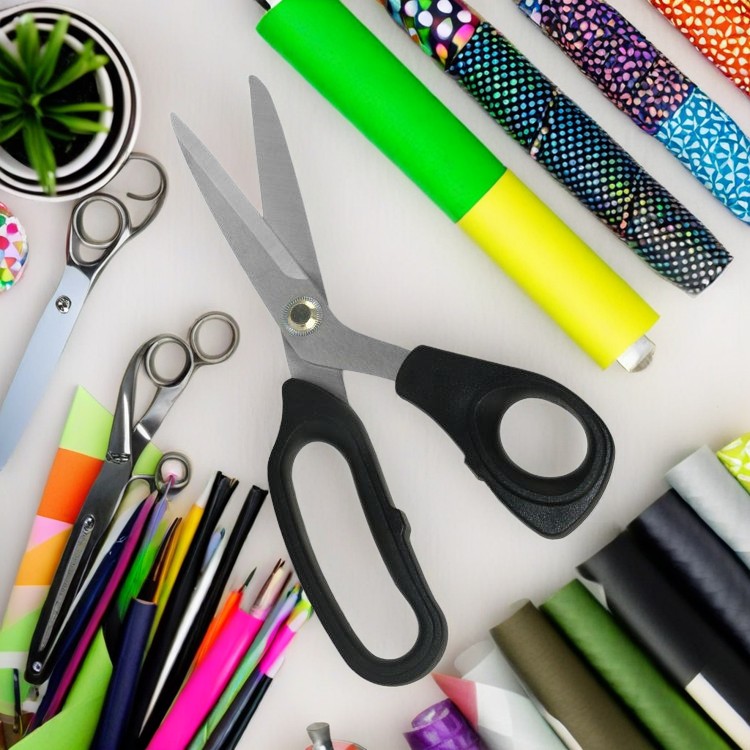
Tailor scissors made in China are widely considered by sewing studios, garment workshops, retailers, and tailoring accessory buyers because they can cover many use cases, from everyday fabric cutting to professional pattern work. The right pair should cut cleanly, feel stable in the hand, and hold up to repeated use. The wrong pair can crush fabric edges, strain the wrist, or create inconsistent cutting lines.
For buyers, the goal is not simply to find the lowest price. A better approach is to compare scissors by intended fabric type, blade performance, handle comfort, finishing quality, packaging requirements, and supplier communication. This guide explains what to check before placing an order and how to build a practical evaluation process.
Key Takeaways
- Match tailor scissors to the fabrics and cutting tasks your customers or workshop handle most often.
- Request samples and test them on real materials before discussing bulk orders.
- Ask suppliers clear questions about blade material, edge finishing, handle construction, packaging, and quality control.
- Do not rely only on product photos; check cutting smoothness, alignment, comfort, and durability indicators.
- Care and storage practices affect performance, especially in professional environments where scissors are used daily.
Why Buyers Consider Tailor Scissors Made in China
China has a broad manufacturing base for sewing tools and tailoring accessories, giving buyers access to many product styles, handle shapes, blade lengths, and packaging options. This range can be useful for wholesalers, private-label brands, online retailers, and sewing supply distributors that need products for different customer levels.
The original article noted that many artisans look to Chinese-made tailor scissors for value, sharpness, and reliability. That can be true, but sourcing still requires verification. Not every pair is suitable for professional use, and not every supplier will offer the same consistency. Buyers should judge each product by samples, written specifications, and repeatable inspection standards rather than broad country-level assumptions.
What to Check Before Choosing a Supplier
When comparing suppliers, start with questions that directly affect product quality and order reliability. Ask what blade material is used, how the cutting edge is finished, whether the scissors are forged, stamped, or made by another process, and what inspection steps are performed before shipment. If a supplier mentions a specific steel type, coating, hardness range, or test method, ask for documentation or a sample that matches the quoted specification.
For B2B sourcing, also confirm commercial and operational details before committing. Useful questions include: What is the minimum order quantity? Can packaging be customized? Are barcodes, labels, or instruction inserts available? What is the sample lead time? How are defective pieces handled? What carton information is provided? These details help prevent misunderstandings after price negotiation.
Comparison Checklist for Professional Tailor Scissors
| Evaluation Point | What to Look For | Questions to Ask the Supplier |
|---|---|---|
| Blade sharpness | Clean cutting from base to tip without snagging | Can samples be tested on cotton, denim, and lightweight fabric? |
| Blade alignment | Blades meet evenly and do not rub too tightly | What inspection is done for blade gap and cutting action? |
| Handle comfort | Grip feels secure during repeated cutting | Are different handle sizes or shapes available? |
| Finish quality | No burrs, rough edges, loose screws, or visible defects | What surface finishing and final checks are used? |
| Packaging | Protects the tip and blade during shipping | Can retail, bulk, or private-label packaging be quoted? |
| Consistency | Samples match the expected bulk quality | How is production quality monitored before shipment? |
Matching Scissors to Fabric and User Needs
Different users need different scissors. A home sewing customer may prefer a comfortable all-purpose pair, while a tailor or pattern cutter may prioritize longer blades and smoother continuous cuts. Buyers serving professional customers should avoid choosing only by appearance. Blade length, weight balance, grip shape, and cutting feel all influence whether the tool is suitable for daily work.
Test scissors on the fabrics your market actually uses. Lightweight fabric can reveal snagging at the blade tips. Thick fabric can show whether the blades remain stable under pressure. Layered fabric can expose alignment problems. If your customers work with delicate materials, check whether the scissors cut without pulling threads. If they work with heavier garments, check whether the handle remains comfortable after repeated cuts.
Sample Testing Before Wholesale Orders
A sample review should be structured, not casual. Label each sample, record the supplier name, model, quoted specification, and test results. Use the same fabrics and the same number of cutting passes for every sample. This makes it easier to compare products objectively instead of relying on first impressions.
- Inspect the scissors visually for scratches, burrs, loose parts, or uneven finishing.
- Open and close the blades several times to check smoothness and tension.
- Cut from the heel of the blade to the tip and note any snagging.
- Test both straight cuts and curves on common fabrics.
- Check whether the handle causes discomfort during repeated use.
- Review packaging strength, tip protection, labeling, and carton requirements.
If a sample performs well, confirm in writing that bulk production will match the approved sample. For larger orders, buyers may also consider arranging pre-shipment inspection or requesting production photos, depending on their risk level and order value.
Use and Care Guidance for Longer Service Life
Even good tailor scissors can perform poorly if they are misused. Fabric scissors should be kept for fabric only; cutting paper, plastic, wire, or adhesive materials can dull the blades. In busy studios, it helps to label scissors by purpose so staff do not use fabric shears for general tasks.
Store scissors in a dry place and protect the tips during transport. Wipe blades after use, especially when cutting materials that leave lint or residue. If the screw or pivot becomes loose, adjust it carefully or ask a qualified person to service it. Sharpening should be done with suitable tools or by someone experienced with sewing scissors, as poor sharpening can change the cutting angle.
Practical FAQ
Are tailor scissors made in China suitable for professional use?
They can be, but suitability depends on the specific product and supplier. Buyers should test samples for cutting accuracy, comfort, alignment, finishing, and consistency before ordering in quantity.
What should I ask a sewing scissors supplier first?
Ask about blade material, production process, edge finishing, available sizes, packaging options, sample availability, MOQ, lead time, and quality control steps. Request clear answers in writing.
How can I compare two similar-looking scissors?
Use the same fabric tests for both pairs. Compare how they cut at the tip, how smoothly the blades move, whether the handle is comfortable, and whether the finish is consistent.
Should wholesale buyers request custom packaging?
Custom packaging can help retailers and brands, but it should be evaluated alongside product protection, labeling accuracy, carton strength, and any supplier requirements for minimum order quantity.
How do I reduce sourcing risk?
Start with samples, document approved specifications, confirm packaging and inspection expectations, and avoid assuming that future production will match a photo unless this is agreed with the supplier.
