




Titanium Coating Scissors: Practical Sourcing and Selection Guide

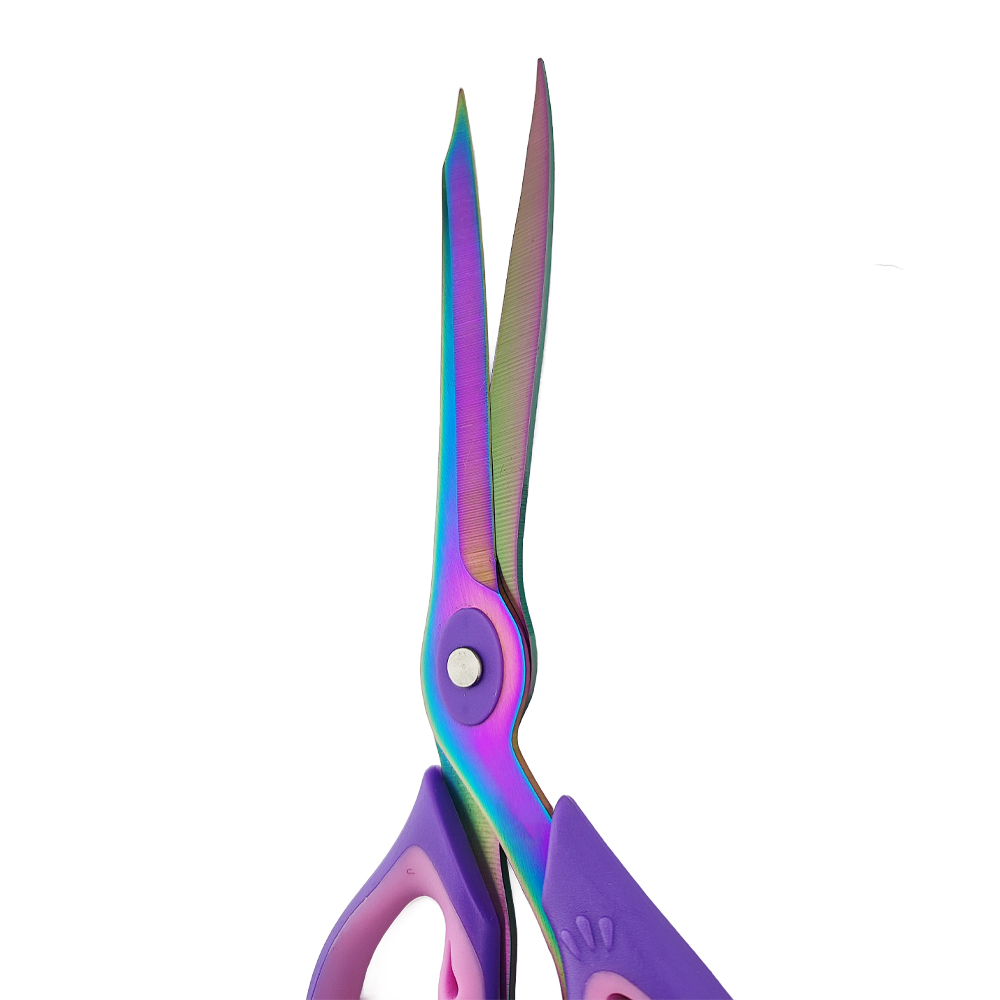
Titanium coating scissors are often noticed first for their iridescent surface. The finish can show shades of purple, pink, teal, and blue as light moves across the blade and handle accents. For retailers, brand owners, craft suppliers, and promotional product buyers, that visual appeal can help a simple household tool stand out on a shelf or in an online listing. However, appearance should not be the only sourcing standard.
A good pair of scissors still needs to cut cleanly, feel comfortable in the hand, and match the intended use. The original product description highlights three useful points: an iridescent titanium-coated look, soft rubberized grips, and multi-purpose use for desks, craft rooms, and professional toolkits. This guide expands those ideas into practical product-selection and B2B sourcing guidance without assuming unverified specifications.
Key Takeaways
- Titanium coating scissors are selected for both visual finish and cutting performance.
- Soft, rubberized grips can improve comfort during longer cutting tasks.
- Buyers should confirm blade material, coating process, sample performance, packaging, and compliance needs before ordering.
- For OEM household scissors, ask the supplier which details can be customized and which require tooling or approval.
- Do not rely on appearance alone; test the scissors on the materials your customers actually cut.
What Are Titanium Coating Scissors?
In this context, titanium coating scissors refer to scissors with a decorative and functional coating on the blade surface, often producing a bright rainbow or iridescent effect. The coating gives the product a distinctive look compared with plain metal scissors. It may also be marketed for wear resistance or smooth cutting, but buyers should always ask the supplier to explain the coating method and provide relevant test information if performance claims are important to the purchase.
These scissors are commonly positioned as multi-purpose tools for household, office, craft, school, and light professional use. They can be suitable for paper, cardstock, gift wrapping, light craft materials, and general daily cutting tasks, depending on blade design and production quality. If a buyer intends to sell them for fabric, heavy cardboard, packaging, or specialist use, sample testing becomes especially important.
Design and Ergonomics: More Than a Bright Finish
The iridescent finish is the most visible feature, but the handle experience often determines whether customers keep using the product. The source article mentions soft, rubberized grips that fit the hand and help reduce strain during extended use. This is a useful detail for product positioning because comfort matters to crafters, office users, teachers, warehouse staff, and anyone making repeated cuts.
When evaluating samples, check the handle opening size, grip texture, finger pressure points, and how the scissors feel after several minutes of use. A pair that looks attractive but pinches the hand may lead to poor reviews. For mixed consumer markets, a balanced handle shape is usually safer than a highly specialized design.
Cutting Performance and Durability Checks
The original article describes the scissors as sharp, durable, and suitable for crisp cuts on materials such as delicate fabric and thick cardstock. Those are useful product goals, but buyers should verify performance with samples rather than relying only on catalog language. Cutting quality depends on blade geometry, edge consistency, screw tension, alignment, handle leverage, and finishing quality.
For B2B purchasing, create a simple sample test plan. Cut standard office paper, folded paper, cardstock, thin plastic packaging, ribbon, and any target material for your customer base. Check whether the blades cut to the tip, whether they drag or chew the material, and whether the pivot loosens after repeated use. If rust resistance, long edge life, or heavy-duty performance is part of your marketing plan, ask the scissors manufacturer what evidence supports those claims.
Comparison Checklist for Buyers
| Evaluation Point | What to Check | Questions to Ask the Supplier |
|---|---|---|
| Coating appearance | Consistent iridescent color, no obvious scratches or uneven areas | How is coating consistency controlled across production batches? |
| Blade performance | Clean cutting on intended materials, especially at the tip | Can samples be tested before bulk order confirmation? |
| Handle comfort | Soft grip feel, comfortable finger openings, no sharp plastic edges | Are handle colors, inserts, or materials customizable? |
| Pivot and alignment | Smooth opening and closing, no blade wobble | What quality checks are used for blade alignment? |
| Packaging | Retail-ready card, blister, box, or bulk packing suitability | Can packaging artwork, barcode, and labeling be supplied by the buyer? |
| OEM requirements | Logo position, color options, private label feasibility | Which customizations affect lead time, cost, or tooling? |
OEM and Wholesale Sourcing Guidance
If you are sourcing OEM household scissors or building a private-label line, start with the intended market rather than the product photo. A craft retailer may prioritize color, display packaging, and smooth cutting on paper and card. An office supplier may care more about consistent quality, comfort, and reorder reliability. A promotional buyer may focus on logo placement, packaging dimensions, and budget.
When speaking with a professional scissors supplier, ask for clear answers on available sizes, handle options, coating color range, logo methods, packaging formats, sample timing, production lead time, quality inspection steps, and export documentation. If sourcing from an established manufacturing area such as Yangjiang, compare multiple suppliers rather than assuming all factories offer the same level of process control.
Avoid vague purchase orders. Define the approved sample, acceptable color variation, packing method, carton requirements, inspection standard, and any required labeling before mass production begins. If your market requires specific safety, chemical, or import compliance, ask the supplier what documents they can provide and confirm whether independent testing is needed for your sales region.
How to Position Titanium Coating Scissors for Customers
For consumer-facing sales, focus on practical use cases. Titanium coating scissors can be presented as attractive daily scissors for desks, craft rooms, gift wrapping stations, classrooms, and general household drawers. The iridescent finish gives them a distinctive appearance, while the rubberized grips support comfort during repeated cutting.
Keep claims specific and supportable. Instead of saying the scissors cut everything, describe the materials confirmed in your own testing. Instead of promising lifetime sharpness, explain proper use and care. Clear product pages reduce returns and help customers choose the right tool.
Use and Care Tips
- Use the scissors on the materials they are designed to cut, and avoid wire, hard plastic, or metal unless the supplier confirms suitability.
- Wipe blades dry after use, especially if they contact adhesive, moisture, or food packaging.
- Do not force the blades through thick materials if they begin to bend or separate.
- Store scissors closed to protect the edge and reduce accidental damage.
- For craft or office use, keep separate scissors for adhesive materials to prevent residue buildup.
Practical FAQ
Are titanium coating scissors only decorative?
No. The iridescent coating creates a distinctive appearance, but buyers should also evaluate blade sharpness, alignment, handle comfort, and sample performance. Decoration and usability should be judged together.
Can these scissors be used for fabric?
The original description mentions delicate fabric, but buyers should test samples on the exact fabric types they plan to market. Fabric performance can vary depending on blade edge, tension, and intended design.
What should OEM buyers confirm before placing an order?
Confirm the approved sample, customization details, packaging, labeling, inspection method, production lead time, and any compliance documents required for the target market.
Are Yangjiang scissors a good sourcing option?
Yangjiang is known as a manufacturing center for knives and scissors, so it can be a useful sourcing starting point. Buyers should still audit suppliers, compare samples, and verify commercial details directly.
How should retailers describe these scissors online?
Use accurate language: iridescent titanium coating, soft rubberized grips, multi-purpose household or craft use, and tested cutting materials. Avoid unsupported claims about grade, certifications, or performance.
Final Buying Advice
Titanium coating scissors can be a strong product choice when the visual finish, grip comfort, and cutting quality all support the intended market. For wholesale and OEM buyers, the safest approach is to combine design review with structured sample testing and detailed supplier questions. A bright finish can attract attention, but repeat orders usually depend on reliable cutting, comfortable handling, and consistent production quality.
