




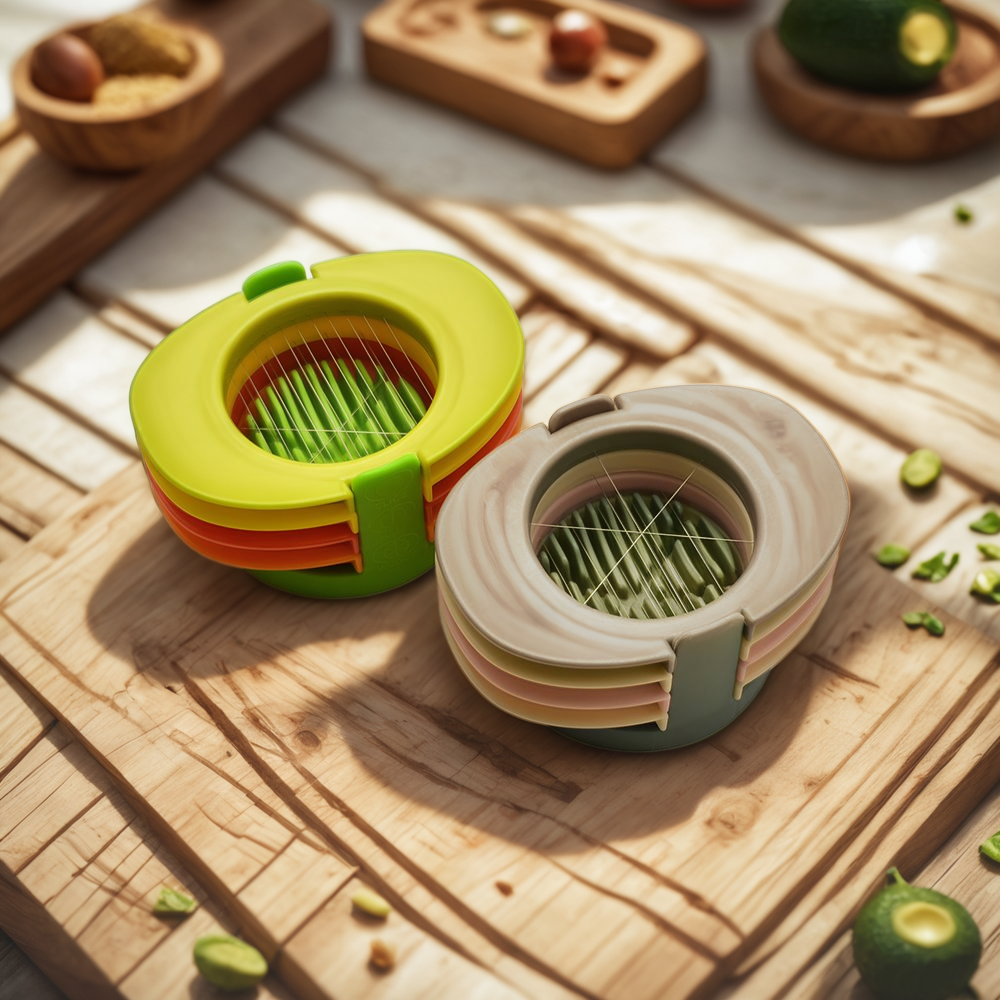
Cutting Eggs Cleanly: How to Choose and Use an Egg Slicer Tool
Cutting hard-boiled eggs sounds simple until the yolk crumbles, the slices vary in thickness, or the egg slips under a kitchen knife. For salads, sandwiches, lunch boxes, canapes, and meal-prep containers, clean egg slices make food easier to portion and more pleasant to serve. A dedicated egg slicer tool can help by guiding the egg through a fixed cutting surface, usually a set of wires or blades, so each piece is more consistent than hand-cut slices.
This guide explains when an egg slicer is useful, how it differs from a standard knife, what to compare before buying, and how to use and maintain it safely. It also covers multifunctional fruit and vegetable slicers that can cut eggs as part of a broader food-preparation routine.
Key Takeaways
- An egg slicer is best for firm, fully cooled hard-boiled eggs, not soft-boiled or runny eggs.
- Uniform cuts depend on the egg texture, the alignment of the tool, and steady downward pressure.
- Multifunctional slicers can save drawer space, but buyers should check what foods the tool is actually designed to handle.
- Easy cleaning matters because egg yolk can collect around wires, hinges, and grooves.
Why Use an Egg Slicer Instead of a Knife?
A sharp knife can cut an egg, but it requires a steady hand and often needs to be wiped between cuts. The yolk may stick to the blade, and the rounded shape of the egg can roll on the cutting board. A slicer solves these common problems by holding the egg in a cradle and applying several cuts at once.
The result is not only neater presentation. Even slices also help with portion control and texture. In an egg salad topping, a sandwich layer, or a plated salad, similarly sized pieces distribute more evenly. For home cooks who prepare several eggs at a time, the time saving can be noticeable, especially when compared with cutting each egg individually.
Common Types of Egg Cutting Tools
Egg cutting tools range from simple single-purpose slicers to multifunctional fruit and vegetable slicers. The original purpose is the same: place a hard-boiled egg on the base, press the cutting section down, and produce even slices. Some tools use stainless steel wires, which are commonly chosen for clean cuts through soft foods. Others use small blades or grid-style cutters for wedges, strips, or diced pieces.
A colorful or decorative egg-cutting gadget may look appealing, but appearance should not be the only selection factor. The hinge should move smoothly, the base should support the egg securely, and the cutting wires or blades should line up with the grooves below. If a multifunctional slicer is advertised for eggs, kiwi, mushrooms, or other soft produce, confirm which foods are suitable and which are too hard for the mechanism.
Comparison Checklist Before You Buy
| Feature to Compare | Why It Matters | Questions to Ask |
|---|---|---|
| Cutting format | Determines whether you get slices, wedges, strips, or diced pieces. | Does the tool create the cut style you use most often? |
| Base stability | Helps stop the egg from slipping during pressing. | Does the cradle fit typical hard-boiled eggs securely? |
| Wire or blade alignment | Misalignment can bend wires or create uneven cuts. | Do the wires or blades meet the grooves cleanly? |
| Cleaning access | Egg residue can collect around hinges and channels. | Can you rinse and wipe all contact areas easily? |
| Multifunction use | May reduce the number of separate gadgets needed. | Which fruits or vegetables are recommended by the supplier? |
| Storage size | Important for small kitchens and crowded drawers. | Will it fit your drawer without bending the cutting parts? |
How to Cut Eggs for the Best Result
The tool is only part of the process. Egg temperature and firmness affect the final cut. A fully cooked egg that has been cooled is easier to slice cleanly than a warm egg with a soft center. If the egg is too soft, the yolk may smear and the white may tear.
- Boil the eggs until fully set, then cool them before peeling.
- Peel carefully so the surface of the egg white stays smooth.
- Place the egg lengthwise or crosswise on the slicer base, depending on the shape of slices you want.
- Press down in one steady movement rather than forcing the tool quickly.
- Lift the cutting section and remove the slices gently with a fork or clean fingers.
For diced egg, many people slice the egg once, rotate it, and slice again. This can work with some slicers, but it may stress thin wires if the pieces shift. If diced eggs are a frequent need, consider a tool specifically designed for that cutting pattern.
When a Multifunctional Slicer Makes Sense
A multifunctional fruit and vegetable slicer that also handles eggs can be useful for kitchens where space is limited or where several soft ingredients are prepared at the same time. For example, a tool that cuts hard-boiled eggs may also be used for suitable soft produce such as mushrooms or peeled kiwi, depending on its design. The benefit is workflow: one tool can support breakfast prep, salad toppings, snack plates, and sandwich fillings.
However, multifunctional does not mean unlimited. Hard vegetables, frozen foods, or foods with pits may damage a slicer that was made for softer items. Before using any slicer beyond eggs, read the supplier instructions and check whether the cutting wires or blades are intended for that food. If instructions are missing, treat the tool conservatively and avoid forcing it through firm ingredients.
Cleaning, Storage, and Care
Egg residue dries quickly, especially around cutting wires and hinge areas. Cleaning the slicer soon after use is the easiest way to keep it hygienic and ready for the next task. Rinse away yolk and egg white under running water, use a soft brush where needed, and dry the tool before storage. If the product is described as dishwasher safe by its supplier, follow the recommended rack placement and temperature guidance. If that information is not provided, hand washing is the safer default.
Store the slicer where the wires or blades will not be pressed by heavier utensils. Bent wires can reduce cutting accuracy and may eventually fail. If the tool starts to resist, cuts unevenly, or shows loose parts, stop using it and inspect it before the next use.
Practical FAQ
Can I use an egg slicer for raw eggs?
No. Egg slicers are intended for peeled hard-boiled eggs. Raw eggs and soft-boiled eggs will not hold their shape and can create a mess.
Why do my egg slices crumble?
The egg may be overcooked, too warm, or pressed too aggressively. Let eggs cool fully, peel them carefully, and press the slicer down in a steady motion.
Can one slicer cut eggs, fruit, and vegetables?
Some multifunctional slicers are designed for several soft foods, but suitability depends on the specific product. Check the supplier guidance before cutting anything firmer than a hard-boiled egg.
Are stainless steel wires better?
Stainless steel wires are commonly used because they can make clean cuts through soft foods. Still, overall performance also depends on wire tension, alignment, hinge quality, and proper use.
What should I ask a supplier before ordering?
Ask which foods the slicer is designed for, how it should be cleaned, whether replacement parts are available, what packaging options are offered, and what product details can be documented for your market.
Final Thoughts
An egg slicer is a small tool, but it can make a real difference when hard-boiled eggs are part of regular meals. The best choice is not simply the most colorful or complex design; it is the tool that cuts cleanly, holds the egg securely, cleans easily, and fits the way you prepare food. Whether you choose a dedicated egg slicer or a multifunctional slicer for soft fruits and vegetables, careful selection and proper use will deliver the most reliable results.
