




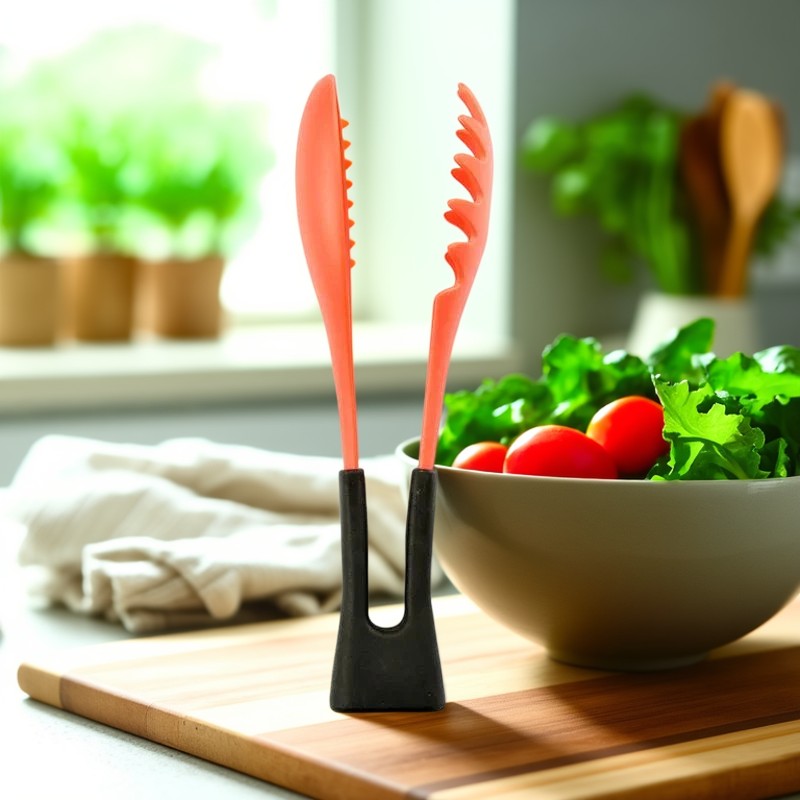
Dual Silicone Kitchen Utensil Set: Practical Selection and Care Guide
A dual silicone kitchen utensil set is designed for everyday cooking tasks where comfort, cookware protection, and simple storage matter. The original product concept highlights a set with ergonomic handles, silicone working heads, a soup ladle, a pasta server, and a compact black holder that keeps tools upright. For home kitchens, small food businesses, and buyers comparing kitchenware options, the value of this type of set is not just appearance. It depends on whether the tools match the way people cook, clean, store, and maintain their cookware.
This guide explains how to evaluate a silicone utensil set without relying on vague claims. It covers product features that were explicitly stated in the original article, such as heat resistance, non-stick cookware friendliness, easy cleaning, a pasta server with holes, and organized storage. It also outlines practical questions buyers should ask before purchasing or sourcing similar kitchen utensils in bulk.
Key Takeaways
- A silicone utensil set is useful when you want tools that are gentle on non-stick cookware surfaces.
- Ergonomic handle design can improve comfort during stirring, serving, and longer prep tasks.
- A ladle and pasta server cover common daily cooking jobs, from soups to spaghetti.
- A compact holder helps keep utensils visible, upright, and easier to access.
- For wholesale or OEM sourcing, ask suppliers to confirm material details, heat-resistance limits, packaging, and quality inspection processes.
What Is a Dual Silicone Kitchen Utensil Set?
In practical terms, a dual silicone kitchen utensil set is a grouped collection of cooking tools made for repeated kitchen use. The original article describes a set that combines silicone utensils with ergonomic handles and a vibrant design. It includes a soup ladle for sauces, broths, and soups, plus a pasta server designed for easier spaghetti or noodle handling. The set also includes a compact black holder for upright storage.
The word “dual” may refer to a two-part design approach, a set built around silicone utility and handle comfort, or a collection with paired functional advantages. Because the source does not define the term technically, buyers should not assume a specific construction, material grade, or manufacturing method. Instead, confirm the exact product structure with the supplier, especially if purchasing for resale, private label, or promotional use.
Core Features to Evaluate Before Buying
The strongest reason to choose silicone cooking utensils is their compatibility with cookware that needs surface protection. The original article states that the silicone material is heat resistant and friendly to non-stick cookware. That makes this type of set suitable for stirring sauces, serving pasta, and working with pans where metal tools could scratch the surface.
Handle comfort is another important factor. Ergonomic handles are intended to reduce hand fatigue and improve control, particularly when stirring thicker sauces, lifting food, or serving repeatedly. When comparing products, hold the tools if possible. Check whether the handle feels secure when wet, whether the weight is balanced, and whether the head is firm enough for the intended cooking task.
Cleaning should also be considered. The original article describes the set as easy to clean, which is useful for daily cooking. Buyers should still ask whether the utensils are dishwasher suitable, whether hand washing is recommended, and whether food coloring ingredients such as tomato sauce, turmeric, or chili oil may stain the surface over time.
Comparison Checklist for Product Selection
Use the checklist below to compare a dual silicone kitchen utensil set with other common kitchen tool options. This is especially helpful for buyers sourcing products for retail shelves, online stores, hospitality supply, or branded kitchenware programs.
| Evaluation Point | What to Look For | Questions to Ask |
|---|---|---|
| Cookware compatibility | Silicone tools that are gentle on non-stick surfaces | Is the material suitable for use with non-stick pans and pots? |
| Heat resistance | Stated temperature tolerance from the supplier | What is the confirmed heat-resistance range, and how was it verified? |
| Handle comfort | Ergonomic shape, secure grip, and balanced weight | Can samples be reviewed for grip comfort and control? |
| Included tools | Ladle, pasta server, and other utensils that match cooking needs | What pieces are included in the standard set? |
| Storage | Compact holder that keeps tools upright and organized | What are the holder dimensions and packaging details? |
| Cleaning | Smooth surfaces and easy food residue removal | Is dishwasher use recommended, or should the tools be hand washed? |
How the Ladle and Pasta Server Add Everyday Usefulness
A utensil set is only helpful if its pieces are used regularly. The ladle is one of the most practical tools in a kitchen because it can serve soup, broth, curry, stew, and sauces. A well-designed ladle should have enough depth to carry liquid without spilling easily, while still fitting inside common pots.
The pasta server described in the original article is intended for mess-free spaghetti handling. It includes strategically placed holes, which the source says can also work as a portion measure. For households and food-service prep areas, this can be convenient when separating pasta from boiling water or serving noodles directly from a pot. However, portion size can vary depending on pasta shape and serving preference, so use the hole as a practical guide rather than an exact nutrition or weight measurement unless the supplier provides verified specifications.
Storage and Countertop Organization
The compact black holder is a useful part of the set because it keeps utensils upright and grouped together. This matters in smaller kitchens where drawer space is limited. It also reduces the time spent searching for the right tool during cooking.
When evaluating a holder, consider stability. A holder that is too light may tip when several utensils are placed on one side. A holder that is too narrow may make it difficult to remove tools quickly. If you are buying for retail or wholesale distribution, ask whether the holder is included in every package, how it is protected during shipping, and whether the set can be packed compactly to reduce storage and transport volume.
Use and Care Tips for Longer Service Life
Silicone kitchen tools are generally chosen for convenience, but good use habits still matter. Avoid leaving utensils resting directly on a hot pan edge for long periods unless the supplier confirms the product is designed for that use. Do not cut directly on silicone heads, as knives may damage the surface. After cooking, rinse sauce, oil, or starch residue before it dries, then wash according to the supplier’s care instructions.
- Use the ladle for soups, sauces, and liquid-based dishes rather than heavy scraping.
- Use the pasta server for spaghetti, noodles, and similar foods that need lifting and draining.
- Store tools upright in the holder after drying to reduce drawer clutter.
- Inspect utensils regularly for cracks, loosened handles, or worn edges.
- Replace any tool that becomes damaged, sticky, or difficult to clean.
B2B Sourcing Questions for OEM, Wholesale, and Supplier Buyers
If the topic is a purchasing project rather than a single home-use order, treat the utensil set as a product to verify carefully. Do not assume details that are not documented. Ask the supplier to confirm the exact material composition, available colors, tool count, packaging options, carton information, logo application methods, and quality control process. If heat resistance is a selling point, request the stated temperature range and supporting documentation.
For OEM or private label programs, ask whether samples can be supplied before mass production, what customization options are available, and how color consistency is managed. If selling in a regulated market, consult the applicable local requirements and ask the supplier what documents they can provide. Avoid making compliance, food-contact, or certification claims in your own listings unless you have verified documentation that applies to the exact product and shipment.
Practical FAQ
Is a silicone utensil set safe for non-stick cookware?
The original product description states that the silicone material is friendly to non-stick cookware. In general, silicone tools are chosen because they are less likely to scratch coated surfaces than metal utensils. Confirm the final product details with the supplier before purchasing in bulk.
What pieces are highlighted in this set?
The source specifically mentions a soup ladle, a pasta server, and a compact black holder. The pasta server is described as useful for spaghetti handling, with holes that can also act as a portion guide.
Can the utensils handle high-temperature cooking?
The original article describes the silicone material as heat resistant, but it does not provide a temperature rating. Ask the supplier for the exact heat-resistance range and recommended use conditions.
How should silicone utensils be cleaned?
The set is described as easy to clean. For best results, wash promptly after use and follow the supplier’s care instructions. If dishwasher use is important, confirm that point before ordering.
What should wholesale buyers verify before ordering?
Wholesale buyers should confirm material details, included pieces, packaging, customization options, sample availability, heat-resistance information, quality checks, and any documents needed for the target market.
