




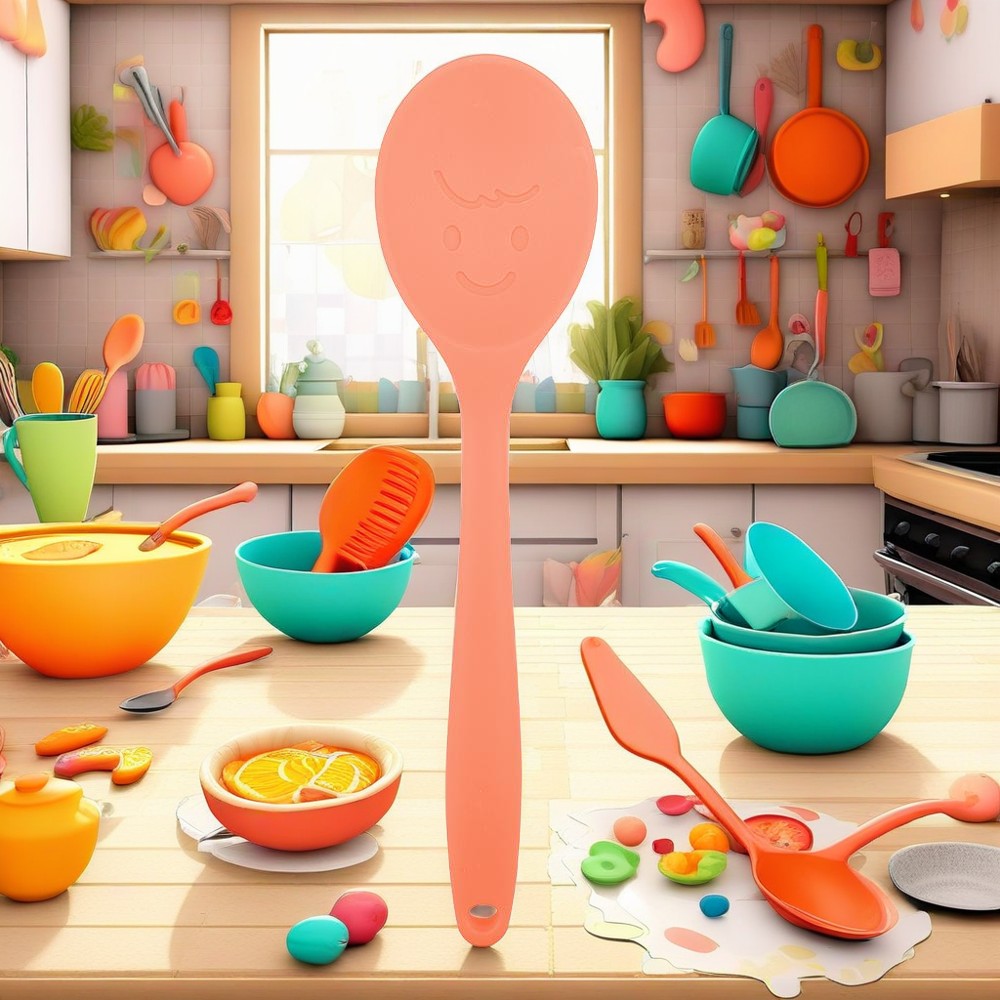
Silicone Cooking Spoon: A Practical Guide for Choosing, Using, and Caring for One
A silicone cooking spoon is a simple kitchen tool, but choosing the right one can make everyday cooking easier and help protect cookware surfaces. The original product introduction highlights several useful points: silicone cooking spoons are designed for stirring, mixing, and serving; they can be gentle on cookware; they may be made from food-grade silicone; and they are often offered in modern colors, including coral tones. This guide expands those ideas into practical buying and use advice for home kitchens.
Unlike metal spoons, silicone has a softer contact surface, which is why many cooks use it with non-stick or ceramic-coated pans. Unlike some rigid plastic utensils, a silicone spoon is commonly chosen for heat-resistant cooking tasks, although buyers should always check the temperature guidance supplied by the seller or manufacturer before using it in high-heat applications.
Key Takeaways
- A silicone cooking spoon is useful for stirring soups, sauces, batters, and one-pan meals.
- Its softer surface can help reduce scratching on non-stick and ceramic-coated cookware.
- Check the supplier’s stated material, heat-resistance guidance, cleaning instructions, and handle design before purchase.
- Do not leave any utensil resting in a hot pan for long periods unless the manufacturer clearly says it is suitable.
- Replace the spoon if it becomes cracked, sticky, deeply cut, or difficult to clean.
What Is a Silicone Cooking Spoon Best Used For?
A silicone cooking spoon is most useful for tasks that require a broad, gentle, flexible edge. It can stir soup without clanging against the pot, fold sauces without damaging coated cookware, and serve stews, rice dishes, vegetables, or pasta. A spoon shape also gives better scooping ability than a spatula, making it a practical all-purpose utensil for daily cooking.
For delicate sauces and simmered dishes, silicone can be a good choice because it does not feel as harsh as stainless steel against the pan surface. For thicker mixtures, such as oatmeal, curry, chili, or cake batter, a well-shaped spoon head helps scrape the base and sides of a pan more effectively. If the spoon has an ergonomic handle, as described in the original article, it may also be more comfortable during longer stirring tasks.
Why Silicone Is Often Chosen for Non-Stick Cookware
Many people buy silicone utensils because they want to protect non-stick or ceramic-coated cookware. Metal utensils can scratch or chip coatings if used carelessly. A silicone spoon has a softer touch, so it is generally better suited for coated pans. This does not mean it is impossible to damage cookware; dragging with force, using a damaged utensil, or trapping hard food particles under the spoon can still cause wear. Good cooking habits matter as much as the utensil material.
If you use ceramic-coated cookware, a silicone cooking spoon is a sensible companion. The spoon can stir and serve without the scraping sound or sharp edges associated with metal. For best results, avoid cutting food in the pan, avoid aggressive scraping, and clean both the utensil and cookware promptly after use.
Selection Checklist: How to Compare Silicone Cooking Spoons
Before buying, compare the spoon as a cooking tool rather than just by color. A bright coral or other modern shade can make the utensil easy to find in a drawer, but comfort, safety information, and cleaning performance are more important for long-term use.
| Feature to Check | Why It Matters | Question to Ask |
|---|---|---|
| Material description | Helps confirm whether the spoon is described as food-grade silicone. | Does the product page clearly state the material? |
| Heat guidance | Prevents misuse near burners, hot pans, or ovens. | What heat limit or use instruction does the supplier provide? |
| Spoon head shape | Affects stirring, scooping, and scraping performance. | Is it deep enough for serving and flexible enough for mixing? |
| Handle comfort | Important for soup, sauce, and batch cooking. | Is the handle easy to grip when wet or oily? |
| Cookware compatibility | Reduces risk of scratches on coated pans. | Is it recommended for non-stick or ceramic-coated cookware? |
| Cleaning method | Impacts convenience and hygiene. | Are hand-wash or dishwasher instructions provided? |
| Construction quality | Weak seams or gaps can trap food. | Are there crevices, loose parts, or rough edges? |
Use Tips for Better Cooking Results
A silicone cooking spoon is easy to use, but a few habits will help it perform better and last longer. First, match the spoon to the food. Use it for stirring soups, sauces, vegetables, grains, and batters. If you need to flip a large piece of fish or turn a pancake, a silicone spatula may be better. If you need to drain pasta or lift fried food, use a slotted spoon or skimmer designed for that purpose.
- Preheat cookware according to the cookware maker’s instructions before adding food.
- Use gentle circular or folding motions instead of scraping aggressively.
- Keep the spoon away from open flames and direct contact with heating elements.
- Do not leave it standing in a hot pan for an extended time unless the supplier confirms this use.
- Rinse sticky sauces or oils soon after cooking to make cleaning easier.
For sauces and soups, the best technique is to move the spoon along the base and corners of the pan, where ingredients tend to settle. For thick foods, pause and scrape the spoon head clean against the side of the pan so ingredients mix evenly.
Cleaning and Care
Silicone utensils are popular partly because they are straightforward to clean. Still, care instructions can vary, so check the product guidance. If dishwasher use is not clearly stated, hand washing with warm water, mild dish soap, and a soft sponge is the safest approach. Avoid abrasive pads that can roughen the surface.
Strongly colored foods, such as tomato sauce, curry, or chili oil, may leave temporary staining on some light-colored utensils. Washing soon after use can help. If odor remains, soak the spoon in warm soapy water, then rinse and dry it completely. Store it in a dry drawer or utensil holder where the spoon head is not compressed by sharp tools.
When to Replace a Silicone Spoon
No kitchen utensil lasts forever. Replace a silicone cooking spoon if the surface becomes cracked, torn, sticky, swollen, or deeply cut. Also replace it if the handle loosens or if food residue becomes trapped in seams that cannot be cleaned. A damaged utensil is harder to keep hygienic and may not protect cookware as intended.
If you cook frequently, it may be useful to keep more than one spoon: one for savory dishes, one for baking or sweet foods, and one larger spoon for soups or stews. This reduces odor transfer and makes meal preparation more efficient.
FAQ
Is a silicone cooking spoon safe for non-stick pans?
It is commonly chosen for non-stick and ceramic-coated cookware because the surface is softer than metal. However, always use gentle pressure and follow the cookware maker’s care instructions.
Can I use a silicone spoon in very hot cookware?
Silicone is often described as heat resistant, but limits vary by product. Check the supplier’s stated heat guidance and avoid direct flame or prolonged contact with very hot surfaces unless clearly allowed.
Does silicone scratch cookware?
Silicone is less likely to scratch than metal, but scratches can still happen if hard food particles are dragged across the pan or if the utensil is damaged. Keep both the spoon and pan clean during use.
How do I remove odor from a silicone spoon?
Wash soon after use with warm soapy water. For lingering odors, soak it, rinse thoroughly, and air-dry fully. If odor or stickiness remains after cleaning, consider replacing it.
What should I ask before buying online?
Ask about the material description, heat-use guidance, cleaning method, handle construction, spoon dimensions, and whether the utensil is recommended for coated cookware.
Final Thoughts
A silicone cooking spoon is a practical utensil for everyday stirring, mixing, and serving. Its main advantages are a gentle contact surface, comfortable handling, and compatibility with many coated cookware surfaces. Choose one based on clear product information, not only appearance. With sensible use and proper cleaning, it can become one of the most frequently used tools in the kitchen.
