




Vegetable Cutting Basket Manufacturer & Supplier
Choosing a vegetable cutting basket manufacturer is not only about finding a product that looks useful in a kitchen. For importers, distributors, private-label brands, and retail buyers, the decision affects product consistency, packaging presentation, communication speed, and after-sales risk. A vegetable cutting basket is typically bought for everyday food preparation, so buyers should evaluate both usability and the supplier behind the product before placing a wholesale or OEM order.
The original Bonet Houseware article introduced the idea of kitchen essentials that combine function with thoughtful design, and it also described a vintage-inspired ceramic lidded mixing bowl with a white ceramic body, embossed fluted pattern, soft blue lid, scallop motif, snug fit, and textured knob. Those details show an important point for sourcing teams: kitchenware is often judged by practical performance and by small design choices that customers notice during daily use. The same thinking applies when selecting a vegetable cutting basket.
Key Takeaways
- Evaluate a vegetable cutting basket supplier by product function, consistency, packaging support, and communication, not by price alone.
- Ask direct questions about available materials, dimensions, color options, OEM support, lead time, inspection process, and packaging formats.
- Do not assume certifications, material grades, MOQ, capacity, or test results unless the supplier provides current documentation.
- Request samples and compare them against your market expectations before confirming a wholesale order.
What Buyers Mean by a Vegetable Cutting Basket
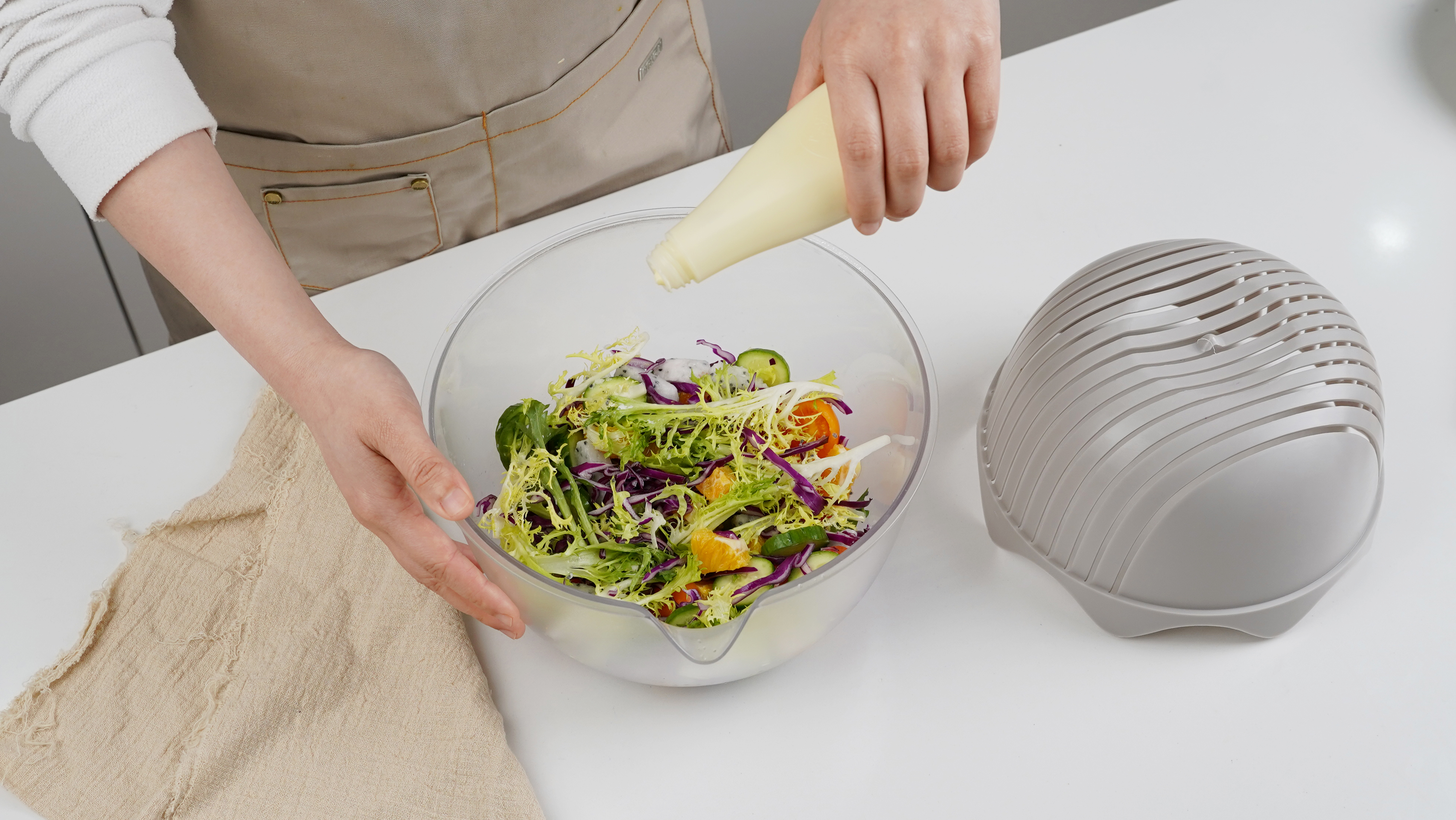
A vegetable cutting basket can refer to a kitchen preparation item designed to help rinse, drain, hold, or cut vegetables more conveniently. Depending on the market, it may be sold as a prep basket, drain basket, cutting basket, kitchen strainer basket, or multi-function vegetable washing basket. Because names vary, buyers should define the exact product they need before contacting a factory.
Clarify whether the item is intended for washing, draining, slicing support, food storage, serving, or a combination of these uses. If the basket includes a lid, cutting surface, handle, inner strainer, or detachable parts, include those details in the inquiry. A clear product brief helps the supplier quote accurately and reduces the chance of receiving a sample that does not match your sales channel.
How to Evaluate a Vegetable Cutting Basket Manufacturer
A capable manufacturer should be able to explain the product options it can produce and the limits of customization. Buyers should ask whether the supplier is a direct factory, trading company, or combined manufacturer and exporter. Each model can work, but the sourcing strategy should match your need for control, flexibility, and communication.
For OEM or wholesale projects, request product photos, sample availability, packaging examples, carton information, and any existing inspection procedures. If you need a private-label product, ask which elements can be customized, such as color, logo placement, packaging artwork, barcode labels, instruction sheets, or retail display formats. Avoid assuming that customization is included; confirm what is possible and whether it affects cost, tooling, timeline, or order quantity.
Product Selection Criteria for Wholesale Buyers
Vegetable cutting baskets are handled frequently, washed often, and used near food. Even when the product appears simple, buyers should check several practical details. The basket should feel stable on a countertop, drain efficiently if it is designed for rinsing, and be easy to clean after contact with vegetable scraps or moisture.
- Check the intended use: washing, draining, cutting support, storage, or multi-function preparation.
- Confirm the product dimensions and whether they suit household sinks, countertops, and retail shelf space.
- Ask what material options are available and request documentation rather than relying on assumptions.
- Review edges, handles, lid fit, moving parts, and drainage holes for comfort and safety.
- Test packaging strength if the product will ship through e-commerce or long-distance distribution.
If your target market values coordinated kitchenware, design consistency matters. The original article highlighted visual details such as fluted patterns, soft color contrast, and textured knobs on a ceramic lidded bowl. For a cutting basket, comparable design decisions may include color matching, surface texture, proportions, and how well parts fit together. These are not just decorative details; they affect customer perception of quality.
Supplier Comparison Checklist
| Evaluation Point | What to Ask | Why It Matters |
|---|---|---|
| Product definition | Which basket styles, sizes, and functions are available? | Prevents confusion between washing baskets, drain baskets, and cutting baskets. |
| Material information | What materials are used, and can documents be provided? | Supports accurate listings and market compliance review. |
| OEM options | Can color, logo, packaging, or accessories be customized? | Helps private-label buyers plan branding and assortment strategy. |
| Quality control | What inspections are performed before shipment? | Reduces the risk of defects, poor fit, or inconsistent finishing. |
| Packaging | What retail and export packaging options are available? | Affects shelf presentation, freight protection, and customer experience. |
| Commercial terms | What are MOQ, lead time, payment terms, and sample costs? | These details must be confirmed directly before ordering. |
Questions to Ask Before Placing an OEM Order
Before confirming an order with a vegetable cutting basket factory, prepare a written inquiry that includes product photos or drawings, expected size, target market, packaging preference, estimated order quantity, and any labeling needs. A supplier can respond more accurately when the request is specific.
Important questions include: Can you provide a pre-production sample? Are there existing molds or is new tooling required? What is the normal production lead time after sample approval? What inspection standards are used? Can the supplier support third-party inspection if required by the buyer? Are replacement parts, spare packaging, or after-sales handling procedures available? These questions do not guarantee performance, but they help identify whether the supplier communicates clearly and understands export expectations.
Quality and Compliance Considerations
Because kitchenware may contact food or be used around food preparation, buyers should not rely on vague claims. Ask the supplier to provide current material information and any relevant test reports for the destination market. Requirements may differ by country, sales channel, and product material, so the buyer should confirm what applies before purchase.
Quality checks should include appearance, color consistency, surface finish, edge smoothness, lid or accessory fit, drainage performance if applicable, packaging condition, and carton labeling. If the item has moving or detachable parts, inspect how they perform after repeated use. For online retail, consider drop testing or packaging review because customer satisfaction can be affected by shipping damage even when the product itself is acceptable.
Balancing Design, Function, and Cost
A lower unit price may look attractive, but it can create problems if the basket feels flimsy, arrives poorly packed, or does not match the listing images. Buyers should compare total landed value rather than only factory price. This includes sample cost, packaging, carton volume, inspection, freight, defect risk, and customer return potential.
At the same time, a more decorative product is not automatically better. The best choice depends on the sales channel. A supermarket buyer may prioritize clear packaging and dependable replenishment. An e-commerce seller may care more about photo appeal, compact shipping size, and strong packaging. A private-label brand may focus on color matching, logo placement, and assortment consistency with other kitchen preparation products.
Practical FAQ
Is Bonet Houseware a vegetable cutting basket manufacturer or supplier?
The current article positions Bonet Houseware around kitchenware manufacturing and supply. Buyers should contact the company directly to confirm available vegetable cutting basket models, production role, OEM service, and export terms.
What should I include in a sourcing inquiry?
Include product type, size, intended function, target quantity, packaging needs, logo requirements, destination market, and any required documents. Attach reference images if available.
Should I request samples before a wholesale order?
Yes. A sample lets you check fit, finish, usability, packaging, and whether the product matches your listing or retail plan before committing to volume.
Can I assume the basket is food-safe?
No. Ask the supplier for material details and any relevant test reports for your market. Do not publish compliance claims unless you have documentation.
How do I compare suppliers fairly?
Use the same specification sheet for each supplier and compare samples, communication, documentation, packaging, lead time, and commercial terms side by side.
A vegetable cutting basket may seem like a simple kitchen item, but sourcing it well requires disciplined questions and careful sample review. By defining the product clearly, checking supplier capability, and verifying commercial details before order confirmation, buyers can reduce risk and build a more reliable kitchenware program.
