




Versatile Kitchen Grater and Slicer: A Practical Guide for Everyday Prep
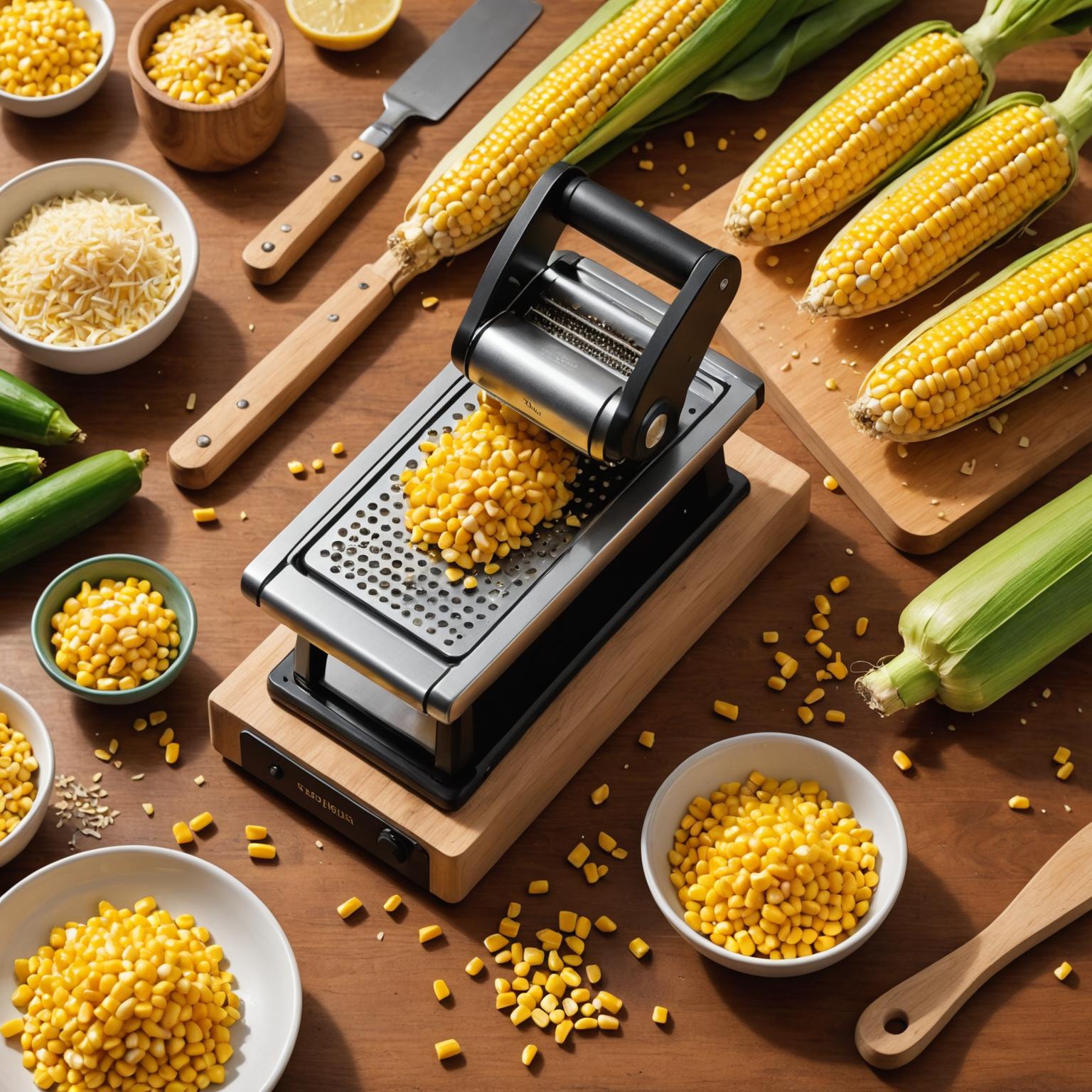
A kitchen grater and slicer can save time when preparing vegetables, cheese, and other everyday ingredients, but only if the tool is chosen and used correctly. The product described in the original article is a multi-function kitchen grater and slicer set with a bright yellow design, stainless steel blades, a cylindrical grater, a transparent measuring bowl with scale markings, a smaller grating attachment, a circular slicing blade, and an ergonomic food holder for safer handling.
Rather than treating it as a decorative gadget, it is better to evaluate this type of tool by its practicality: how evenly it slices, how easy it is to control, whether the bowl helps with measuring, and how safely it keeps hands away from sharp blades. This guide explains what to look for, how to use it, and how to care for it so it remains useful in a home kitchen.
Key Takeaways
- A multi-function grater and slicer is most useful for repeated prep tasks such as shredding cheese, slicing vegetables, and grating small quantities quickly.
- A transparent measuring bowl with clear scale markings can reduce extra dishes and help with recipe accuracy.
- Stainless steel blades are a practical feature, but safe handling and proper drying are still important.
- A food holder should be used whenever ingredients become short, slippery, or difficult to grip.
- Before buying, check blade options, cleaning access, storage needs, and whether replacement parts are available.
What This Type of Kitchen Grater and Slicer Is Designed to Do
A combined grater and slicer set is designed to bring several common prep functions into one compact tool. The cylindrical grater can be used for shredding or grating suitable ingredients, while the slicing blade helps produce more consistent slices than a knife may provide during repetitive prep. The smaller grating attachment adds flexibility for finer tasks, depending on the ingredient and the blade opening.
The transparent measuring bowl is a useful part of the design because it collects ingredients as they are cut. Instead of grating cheese or slicing vegetables onto a cutting board and then transferring them to another bowl, the user can prepare ingredients directly into the container. If the measuring scale is easy to read, it can also help with portion control and recipe preparation.
Best Uses in a Home Kitchen
This type of tool is not meant to replace every knife or food processor. Its strength is in quick, medium-volume preparation. It is especially helpful when you want consistent pieces without setting up a large appliance or washing multiple components afterward.
- Vegetables: Use the slicer for ingredients such as cucumbers, carrots, potatoes, zucchini, and similar firm vegetables, provided they fit securely in the holder.
- Cheese: Use the grater for firm or semi-firm cheeses. Very soft cheese may smear rather than grate cleanly.
- Small prep jobs: The bowl makes it convenient to prepare toppings, salad additions, or ingredients for omelets, soups, and side dishes.
- Measured preparation: The clear bowl is helpful when a recipe calls for an approximate measured quantity of shredded or sliced ingredients.
For very large batches, a food processor may be faster. For very delicate cuts, a sharp chef’s knife may provide better control. The value of a grater and slicer set is its balance of speed, consistency, and convenience.
Feature Checklist Before You Buy
When comparing grater and slicer tools, look beyond the number of attachments. A tool with fewer, well-designed parts may be more useful than a complicated set that is difficult to clean or store.
| Feature | Why It Matters | What to Check |
|---|---|---|
| Stainless steel blades | Sharp blades help produce cleaner slices and shreds. | Ask whether the blades are removable for cleaning and how they should be dried. |
| Transparent measuring bowl | Collects ingredients and helps with approximate measuring. | Check whether the scale markings are clear and easy to read. |
| Food holder | Keeps fingers farther from the cutting surface. | Confirm that it grips different food shapes securely. |
| Multiple grating or slicing parts | Adds flexibility for vegetables, cheese, and different textures. | Make sure the attachments lock in place and are not loose during use. |
| Cleaning access | Food can lodge around blades and corners. | Check the care instructions and whether a brush is recommended. |
How to Use It Safely and Effectively
Sharp prep tools work best when the user focuses on stability and control. Start by placing the bowl or base on a flat, dry surface. If the tool shifts while in use, stop and reposition it before continuing. Do not try to force large or uneven ingredients through the blade; trim them to a manageable size first.
- Choose the correct attachment for the task, such as a grating part for cheese or a slicing blade for vegetables.
- Secure the attachment according to the product’s instructions before adding food.
- Cut ingredients into pieces that sit evenly against the blade or inside the holder.
- Use steady pressure instead of pressing aggressively. Excess force can reduce control.
- Switch to the food holder as the ingredient becomes shorter or harder to grip.
- Empty the measuring bowl before it becomes overfilled, as crowded ingredients can interfere with clean cutting.
Never clean the blade area with bare fingers while the tool is assembled. If food is stuck, remove the attachment carefully and use a brush or running water as recommended by the care instructions.
Cleaning, Drying, and Storage Tips
Good cleaning habits help maintain both performance and hygiene. Rinse the blade parts soon after use, especially after grating cheese or starchy vegetables. Dried-on food is harder to remove and may require unnecessary scrubbing near sharp edges.
If the product instructions allow dishwasher cleaning, place small parts securely so they do not move around during the cycle. If hand washing is recommended, use warm water, mild dish soap, and a non-abrasive brush. Pay attention to the underside of blades and the area where the attachment meets the bowl.
After washing, dry the stainless steel blades thoroughly before storage. Store blades or inserts in a way that prevents accidental contact when reaching into a drawer. If the set includes multiple attachments, keeping them together in a small container can prevent loss and reduce clutter.
Common Mistakes to Avoid
One common mistake is using the same blade for every ingredient. A slicing blade, for example, may work well for firm vegetables but not for shredding cheese. Another mistake is ignoring the food holder because the ingredient feels easy to grip at first. Most small kitchen accidents happen near the end of the cut, when fingers get closer to the blade.
It is also important not to overload the measuring bowl. A collection bowl is convenient, but it still has a practical limit. If shredded or sliced food presses back against the cutting area, the tool may become less efficient and messier to use.
FAQ
Can this type of grater and slicer replace a food processor?
Not completely. It is better for quick daily prep and smaller portions. A food processor is usually faster for large batches, while a grater and slicer is easier to set up and clean for simple tasks.
Is it suitable for cheese?
Yes, the original product description mentions use with cheese. Firm and semi-firm cheeses generally work better than very soft cheeses, which may stick or smear.
Why is a measuring bowl useful?
It collects ingredients as you grate or slice and can help estimate quantities during recipe preparation. Clear scale markings make the feature more practical.
How can I reduce the risk of cuts?
Use the food holder, keep the tool stable on a dry surface, avoid rushing, and never push food directly against sharp blades with your fingers when pieces become small.
What should I ask before buying online?
Ask whether the attachments are removable, how the blades should be cleaned, whether replacement parts are available, and what materials are used for the bowl, holder, and blade components if those details are not listed.
Final Thoughts
A versatile kitchen grater and slicer with a measuring bowl can be a practical tool for everyday cooking when it is stable, easy to clean, and used with proper attention to safety. The most useful features from the original product description are the stainless steel blades, transparent measuring bowl with scale markings, smaller grating attachment, circular slicing blade, and ergonomic holder. For shoppers, the best approach is simple: choose a tool that fits the foods you prepare most often, check how securely the parts connect, and make sure the cleaning process is realistic for daily use.
