




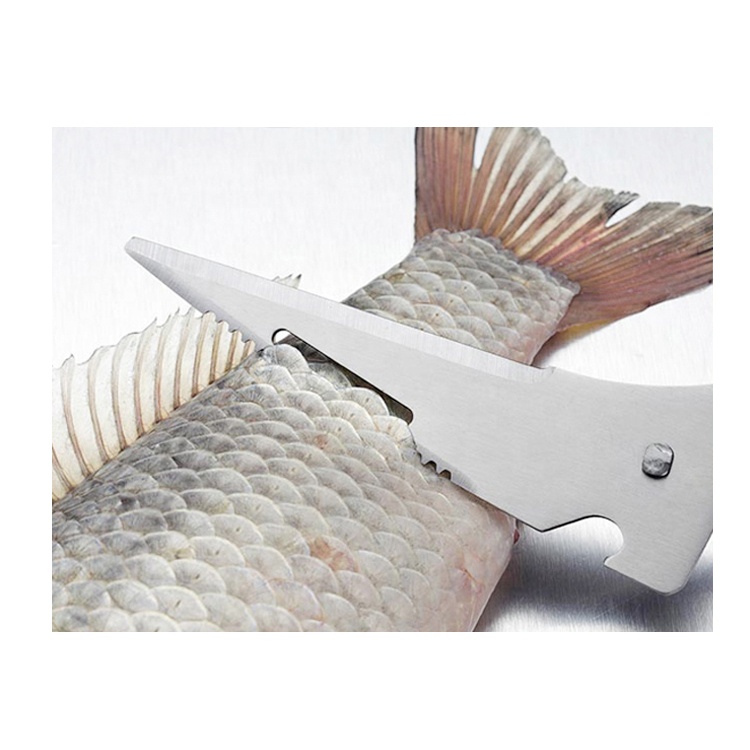
Versatile Kitchen Tool: Multi-Functional Scissors
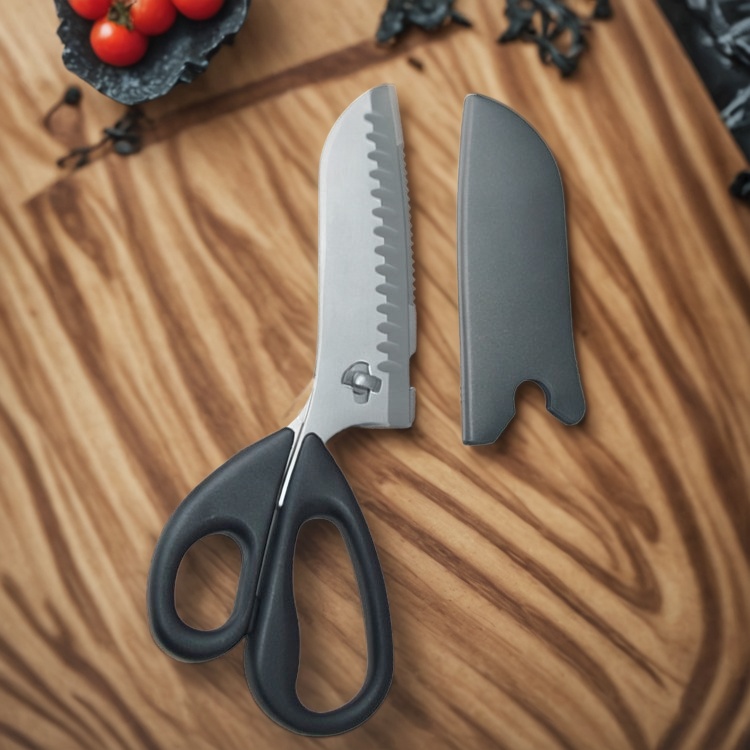
Multi-functional scissors are designed for kitchens where one cutting tool may need to handle several everyday jobs. Instead of using separate tools for herbs, packaging, food prep, bottle opening, or light cracking tasks, a well-designed pair of kitchen scissors can help simplify routine work. The original product article highlights a 2 in 1 scissors concept, a knife and scissors combo, a serrated blade, ergonomic handle, black finish, and protective sheath. Those are useful details, but buyers should still evaluate each model carefully before choosing it for home use, retail assortments, wholesale programs, or OEM scissors projects.
This guide explains how to assess multi-functional kitchen scissors without relying on vague claims. It focuses on practical use, safety, durability, and sourcing questions that distributors, private-label buyers, and kitchenware retailers should ask before placing an order.
Key Takeaways
- Multi-functional scissors are most useful when their extra features match real kitchen tasks, not just marketing claims.
- A serrated blade can help with tougher cutting jobs, but buyers should ask what materials and edge treatments are used.
- A protective sheath improves storage safety and helps reduce accidental blade contact in drawers or retail packaging.
- For OEM scissors, confirm customization options, packaging, quality checks, and compliance documents directly with the supplier.
- Comfort, cleaning, and safe handling matter as much as cutting performance for repeat daily use.
What Are Multi-Functional Kitchen Scissors?
Multi-functional kitchen scissors are shears that combine standard cutting with additional utility. In the source article, the product is described as having a 2 in 1 scissors design, a serrated edge, an ergonomic handle, and a protective sheath. It is also positioned as a knife and scissors combo for tasks such as trimming herbs, slicing vegetables, opening bottles, cutting packaging, cracking nuts, scaling fish, and snipping through poultry bones.
Because kitchens vary, not every buyer needs every feature. A home cook may care most about safe storage and comfortable grip. A restaurant buyer may prioritize cleaning, repeat cutting performance, and ease of replacement. A wholesale buyer may focus on packaging durability, consistent appearance, and whether the supplier can support private-label requirements.
Best Everyday Uses for 2 in 1 Scissors
A practical pair of 2 in 1 kitchen scissors should save time during common preparation work. The value is not that it replaces every knife or specialty tool, but that it can reduce tool switching for small and medium jobs. Suitable uses may include cutting herbs, trimming leafy vegetables, opening food packaging, sectioning thin ingredients, or handling light utility tasks around the kitchen.
For tougher jobs such as fish preparation, poultry trimming, or nut cracking, users should follow the supplier's instructions and avoid forcing the tool beyond its intended use. If a product is promoted for heavier cutting, buyers should ask how the blade, pivot, and handle are tested for that workload. A feature list is helpful, but performance depends on construction quality and long-term stability.
Feature Checklist for Buyers
The table below can help compare multi-functional scissors across retail, wholesale, and OEM sourcing options.
| Feature to Check | Why It Matters | Questions to Ask |
|---|---|---|
| Serrated blade | May improve grip on slippery or tougher foods | What material is used, and how is edge sharpness controlled? |
| Ergonomic handle | Affects comfort during repeated cutting | Is the handle suitable for different hand sizes and left or right hand use? |
| Protective sheath | Supports safer drawer storage and transport | Is the sheath included in standard packaging or only selected versions? |
| Knife and scissors combo | Can reduce the need for extra prep tools | Which functions are built in, and are instructions provided? |
| Finish and appearance | Important for retail presentation and brand consistency | Can color, logo placement, or packaging be customized? |
| Cleaning method | Impacts hygiene and user satisfaction | Is hand washing recommended, and can the blades separate for cleaning? |
How to Evaluate a Knife and Scissors Combo
A knife and scissors combo sounds efficient, but buyers should look at the layout carefully. Extra features should not make the scissors awkward, heavy, or difficult to clean. Handles should feel stable, the pivot should open and close smoothly, and the cutting edges should meet cleanly without wobble. If the product includes bottle-opening or cracking functions, those areas should be easy to identify and safe to use.
For consumer-facing selection, test how the scissors handle your most common tasks. If you mainly cut herbs and packaging, comfort and cleaning may matter more than heavy-duty claims. If you frequently prepare fish or poultry, ask whether the tool is designed for those tasks and review the care instructions. For B2B buyers, request samples and compare several production units, not only a display sample.
OEM Scissors Sourcing Guidance
For OEM scissors or private-label programs, the sourcing process should go beyond appearance. A buyer should ask the supplier to define available customization options, including handle color, logo method, retail packaging, instruction inserts, barcode labeling, and carton requirements. Do not assume any option is available unless the supplier confirms it in writing.
Commercial details also need direct confirmation. Ask about minimum order quantity, lead time, sample cost, tooling requirements, payment terms, inspection process, spare parts policy, and shipping options. If your market requires specific documentation, request the relevant compliance, material, or food-contact information from the supplier before confirming an order. The original article does not state certifications, capacities, prices, or test results, so those points should be treated as open sourcing questions.
Use and Care Tips for Longer Service
Proper care helps multi-functional scissors stay safer and more reliable. Always clean the blades after contact with raw foods, dry the tool before storage, and use the protective sheath when placing it in a drawer. Avoid twisting the blades while cutting hard materials, because lateral force can loosen the pivot or damage the edge.
- Use the right cutting zone for the task and avoid forcing thick bones or hard shells unless the supplier says the tool is suitable.
- Wash promptly after use, especially after fish, poultry, or acidic ingredients.
- Dry the scissors fully before storing them in the sheath.
- Keep the tool away from children and store it with the blades covered.
- Inspect the pivot, handle, and edge regularly; replace the scissors if they become loose or damaged.
Practical FAQ
Are multi-functional scissors better than a kitchen knife?
They are not a full replacement for a knife. They are useful for quick cutting, trimming, packaging, herbs, and some prep tasks where scissors offer better control.
What does 2 in 1 scissors mean?
In this context, it refers to scissors that combine standard cutting with another function, such as a serrated edge or knife-like utility. Buyers should confirm the exact functions for each model.
Is a protective sheath important?
Yes. A sheath helps cover sharp blades during storage and transport. It is especially useful for drawer storage, retail display, or packed kitchen kits.
Can OEM scissors be customized?
Often they can, but customization depends on the supplier. Ask about logo, color, packaging, carton labeling, samples, MOQ, and lead time before planning a private-label order.
How should buyers compare suppliers?
Request samples, inspect cutting performance, check packaging quality, confirm commercial terms, and ask for any required compliance or material documentation for your target market.
