




Why Choose Fabric Scissors Made in China for Quality
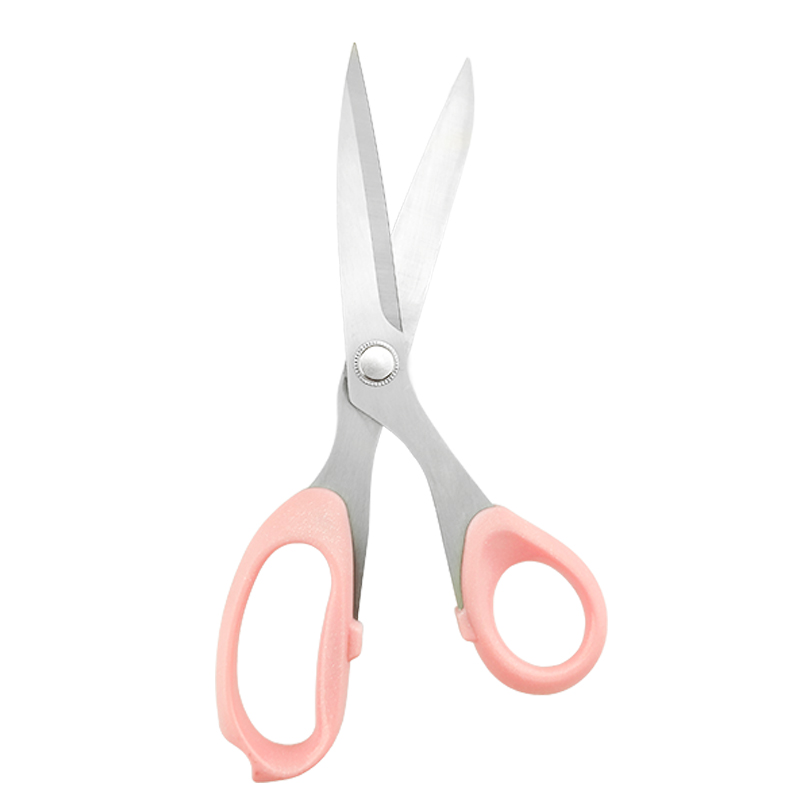
Fabric scissors are simple tools, but buyers quickly learn that not all pairs cut the same. For sewing studios, craft brands, distributors, and retailers, the goal is not only to find a low purchase price. The better question is whether the scissors can deliver clean cuts, comfortable handling, consistent packaging, and repeatable quality across future orders. That is why many sourcing teams consider fabric scissors made in China when building a wholesale or private-label tool range.
China’s scissors supply base covers a wide range of products, from everyday craft scissors to tailor scissors intended for more regular fabric cutting. The original product context highlights common buyer interests such as sharp cutting, stainless steel blades, ergonomic handle designs, and options that may suit fabric, paper, and crafting tasks. However, these features should always be confirmed with the supplier for the exact model you plan to purchase.
Key Takeaways
- Fabric scissors made in China can be a practical sourcing option when buyers verify materials, cutting performance, and quality control.
- Do not rely only on photos; request samples, product details, and clear answers about blade material, handle construction, and intended use.
- For wholesale, OEM, or private-label projects, confirm packaging, branding options, lead time, inspection standards, and after-sales handling before ordering.
Why China Is a Common Source for Fabric Scissors
China is widely used by global buyers for household tools, craft items, and sewing accessories because suppliers often offer a broad product selection at different price and quality levels. For fabric scissors, this variety can help importers match different sales channels: entry-level craft kits, sewing accessory bundles, office and craft ranges, or more specialized tailor scissor assortments.
The advantage is choice, but choice also creates responsibility. A buyer should not assume that every product listed as “fabric scissors” is suitable for heavy tailoring work. Some models are better for light craft use, while others may be designed for more frequent cutting. A good sourcing process separates marketing language from measurable product requirements.
What to Check Before You Buy Fabric Scissors from China
When evaluating a supplier, ask for a specification sheet rather than relying on a short product title. Useful questions include: What blade material is used? Is the blade stainless steel, and if so, what grade is stated by the supplier? What is the blade length and overall length? What handle material is used? Is the handle designed for left-handed, right-handed, or general use? What materials are the scissors intended to cut?
Sharpness matters, but long-term usability also depends on blade alignment, pivot tension, edge retention, and handle comfort. If the scissors are promoted for fabric, paper, or craft use, clarify whether cutting paper may reduce fabric-cutting sharpness over time. Many sewing users prefer to keep one pair only for fabric, because paper and mixed materials can dull the edge faster.
Comparison Checklist for Wholesale Buyers
| Checkpoint | What to Ask the Supplier | Why It Matters |
|---|---|---|
| Blade material | Is the blade stainless steel? What material details can be documented? | Material affects corrosion resistance, cutting feel, and buyer expectations. |
| Cutting purpose | Is this model intended for fabric, paper, crafts, or mixed household use? | Helps prevent mismatched products and customer complaints. |
| Handle design | What handle material, shape, and color options are available? | Comfort and appearance influence retail appeal and repeat use. |
| Sample testing | Can pre-production or stock samples be provided for cutting trials? | Photos cannot prove sharpness, balance, or hand comfort. |
| Packaging | What standard packaging is offered, and can branding be added? | Important for retail presentation, barcodes, and channel requirements. |
| Quality control | What inspection steps are used before shipment? | Reduces the risk of loose pivots, uneven blades, or damaged packaging. |
Sample Testing: A Practical Method
Before placing a bulk order, request samples from the exact supplier and model under consideration. Test them on materials relevant to your customers, such as cotton, denim, felt, ribbon, or light craft paper if mixed-use cutting is part of the product positioning. Do not test only one cut; repeated cutting gives a better sense of comfort, blade alignment, and fatigue.
For a B2B buyer, a simple internal test sheet can be valuable. Record the sample date, supplier name, model code, blade length, handle feel, cutting materials, and comments from users. If your business sells to sewing enthusiasts or professional users, include someone with real sewing experience in the review. Their feedback can reveal issues that a purchasing team may miss.
OEM and Private-Label Questions to Clarify
If you plan to sell fabric scissors under your own brand, ask the supplier about OEM and packaging options, but avoid assumptions. Some suppliers may offer custom colors, logos, inserts, or retail cards; others may only provide standard products. Confirm which customization methods are available, what artwork format is needed, whether a sample can be approved before production, and what commercial terms apply.
Buyers should also ask about order quantities, lead times, payment terms, carton details, and replacement policies. These are business terms that vary by supplier and product, so they should be confirmed in writing. If your market requires specific labeling or compliance documentation, ask the supplier what documents can be provided and verify requirements with your own compliance adviser or importer of record.
How to Judge Value Beyond the Unit Price
A lower unit price is attractive, but total sourcing value includes defect rate, packaging strength, communication quality, delivery reliability, and customer satisfaction. For fabric scissors, small quality differences can become obvious to end users. A pair that feels comfortable and cuts smoothly is more likely to receive repeat purchases or positive reviews than a cheaper pair with uneven tension.
Compare quotations on a like-for-like basis. Check whether the quoted price includes the same blade size, handle material, packaging type, branding, and inspection expectations. If two suppliers quote very different prices, ask what explains the difference. The answer may involve material, finish, packaging, or service level.
Practical FAQ
Are fabric scissors made in China suitable for professional use?
They can be, but suitability depends on the exact model and quality level. Ask for samples and test them on the fabrics your customers use most often before buying in bulk.
Should fabric scissors also be used for paper?
Some scissors are marketed for fabric, paper, and craft use, but many sewing users keep fabric scissors separate to protect sharpness. State the intended use clearly in your product listing.
What information should I request from a China fabric scissors supplier?
Request blade material details, size, handle material, packaging options, sample availability, inspection process, lead time, and any documents needed for your target market.
Can I order custom colors or branded packaging?
Possibly, but it depends on the supplier and the product. Ask what OEM options are available, whether artwork approval is required, and what order terms apply.
How can I reduce sourcing risk?
Start with samples, compare multiple suppliers, confirm specifications in writing, inspect goods before shipment when appropriate, and avoid making claims that the supplier has not documented.
Final Sourcing Advice
Fabric scissors made in China can be a strong option for buyers who want choice, practical designs, and competitive sourcing opportunities. The best results come from disciplined evaluation: define the intended user, test real samples, confirm materials and packaging, and ask direct questions before committing to wholesale orders. With a careful sourcing process, buyers can select scissors that fit their market instead of relying on price alone.
