




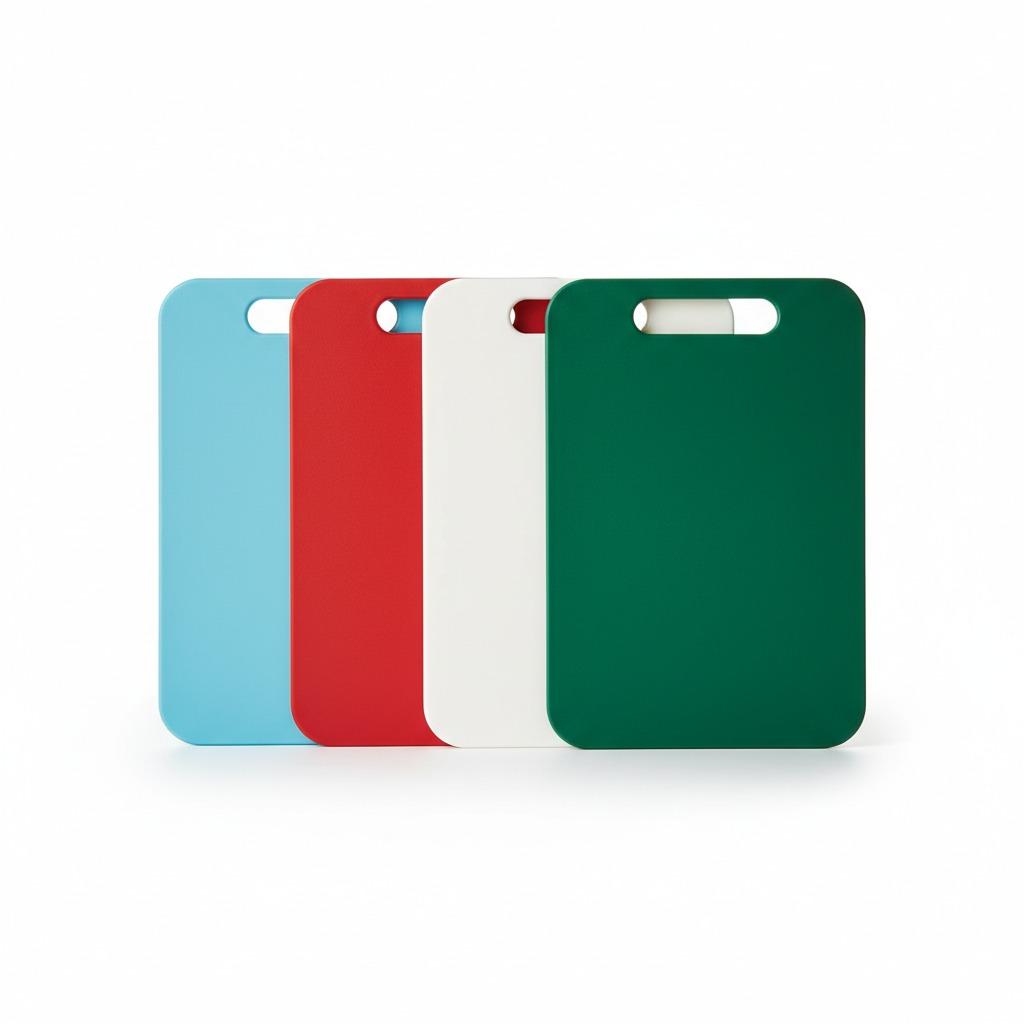

Why Every Home Cook Needs Plastic Cutting Boards
A reliable set of plastic cutting boards is one of the simplest ways to make everyday cooking cleaner, more organized, and less stressful. Whether you prepare quick breakfasts, family dinners, packed lunches, or weekend batch meals, the board under your knife affects food safety, workflow, knife comfort, and cleanup time.
Plastic boards are popular because they are lightweight, easy to move, simple to wash, and available in sets that help separate raw and ready-to-eat foods. They are not the only good option, and they still need proper care, but for many home kitchens they offer a practical balance of convenience and hygiene.
Key Takeaways
- Use separate boards for raw meat, seafood, vegetables, fruit, bread, and ready-to-eat foods when possible.
- Color-coded plastic cutting boards reduce confusion during busy meal prep.
- Wash boards promptly after use, and confirm dishwasher suitability from the product instructions.
- Replace boards when deep grooves, staining, odors, or warping make them hard to clean.
- Choose board sizes and thicknesses based on your counter space, knife work, and storage needs.
Why Plastic Cutting Boards Work Well for Daily Cooking
Home cooks often need equipment that can handle repeated use without adding extra maintenance. Plastic cutting boards fit that role because they are easy to lift, rinse, stack, and store. A small board can be used for lemon wedges, herbs, or sandwich ingredients, while a larger board gives enough room for onions, potatoes, greens, or cooked meats.
Compared with glass or stone boards, plastic boards are usually more forgiving under a knife edge. Glass and stone are hard surfaces that may dull knives quickly. Wood and bamboo boards have their own advantages, especially for appearance and cutting feel, but they require more careful drying and maintenance. Plastic boards are especially useful when you want a low-fuss surface for frequent prep.
Color Coding Helps Prevent Cross-Contamination
The main reason to own more than one cutting board is separation. Cross-contamination can happen when raw poultry, meat, or seafood juices touch foods that will not be cooked again, such as salad greens, fruit, bread, or garnishes. A color-coded set makes the separation visual and easier to remember.
There is no single universal color system for every home, but many cooks assign colors in a consistent way. For example, red may be used for raw meat, blue for seafood, green for vegetables, and white for bread or ready-to-eat foods. The exact system matters less than using it consistently and explaining it to everyone who cooks in the kitchen.
Plastic, Wood, Bamboo, or Glass: Quick Comparison
Different cutting board materials suit different habits. Use the table below as a practical checklist before buying or replacing boards.
| Material | Best Use | Care Level | Knife Friendliness | Watch For |
|---|---|---|---|---|
| Plastic | Daily prep, color coding, raw-food separation | Low to medium | Generally good | Deep grooves, warping, product-specific dishwasher limits |
| Wood | Bread, vegetables, serving, careful knife work | Medium to high | Very good | Needs drying and periodic care to avoid cracking |
| Bamboo | Vegetables, fruit, lighter prep | Medium | Good, but often harder than some woods | Can split if soaked or poorly dried |
| Glass or stone | Presentation or pastry tasks, depending on design | Low | Poor for regular chopping | Hard surface can dull knives and may slip |
How to Choose the Right Plastic Cutting Board Set
Before buying, think about how you actually cook. A household that prepares raw meat often may need more dedicated boards than someone who mainly chops fruit and vegetables. Look for a set that matches your worktop size and storage space rather than simply choosing the largest set available.
- Size range: A combination of small, medium, and large boards covers most prep jobs.
- Stability: Ask whether the board has non-slip corners, textured edges, or a design that helps it stay steady.
- Thickness: Thin boards are easy to store; thicker boards may feel more stable for heavier chopping.
- Surface texture: A lightly textured surface may help reduce slipping, while an overly rough surface can be harder to clean.
- Cleaning instructions: Check whether the supplier states that the board is dishwasher suitable, and whether there are temperature limits.
- Storage: Stands, tabs, or labeled boards can help keep a color-coded system organized.
Cleaning and Care: Simple Habits That Matter
Good food safety depends more on daily habits than on material alone. After cutting raw meat, poultry, or seafood, wash the board as soon as practical with hot water and dish soap. Scrub both sides, rinse thoroughly, and let it dry fully before storage. If the product instructions allow dishwasher cleaning, place the board so water can reach all surfaces and it will not bend against hot elements.
Avoid leaving any cutting board soaking in a sink for long periods. Also avoid storing boards while damp in a tight stack, because trapped moisture can create unpleasant odors. If a board holds a strong smell after washing, use the manufacturer’s care guidance before trying harsh cleaners.
When to Replace Plastic Cutting Boards
Plastic cutting boards do not last forever. Over time, knife marks can become deep enough to trap food residue. If the grooves remain stained after cleaning, if the board develops a persistent odor, or if it warps and no longer sits flat, replacement is sensible. A board that slides on the counter is not only inconvenient; it can also increase the risk of knife accidents.
For busy kitchens, inspect boards regularly. Run your hand across the surface and look closely under good light. Light scratches are normal, but deep cuts, rough ridges, and damaged corners are signs that the board may no longer clean as easily as it should.
Practical FAQ
How many plastic cutting boards does a home kitchen need?
Most homes benefit from at least three: one for raw meat or poultry, one for vegetables and fruit, and one for bread or ready-to-eat foods. Larger households may prefer a full color-coded set.
Are plastic cutting boards dishwasher safe?
Some are, but not all. Always check the product instructions. High heat may warp boards that are not designed for dishwasher cleaning.
Can I use one board if I wash it between foods?
You can, but separate boards are safer and easier, especially when preparing raw foods and salads at the same time. Color coding reduces mistakes.
Do plastic boards damage knives?
Plastic is generally more knife-friendly than glass or stone. However, very hard or badly worn boards can affect cutting comfort, so replace damaged boards when needed.
What should I ask before buying from a supplier?
Ask about material description, care instructions, dishwasher suitability, available sizes, packaging, replacement guidance, and any test or compliance documents relevant to your market.
Final Thoughts
Plastic cutting boards are practical tools for safer, more organized home cooking. The best set is not necessarily the most colorful or the largest; it is the one that supports your cooking habits, fits your kitchen, cleans easily, and is replaced when worn. With a simple color system and consistent care, a set of plastic cutting boards can make daily meal prep cleaner and more efficient.
