




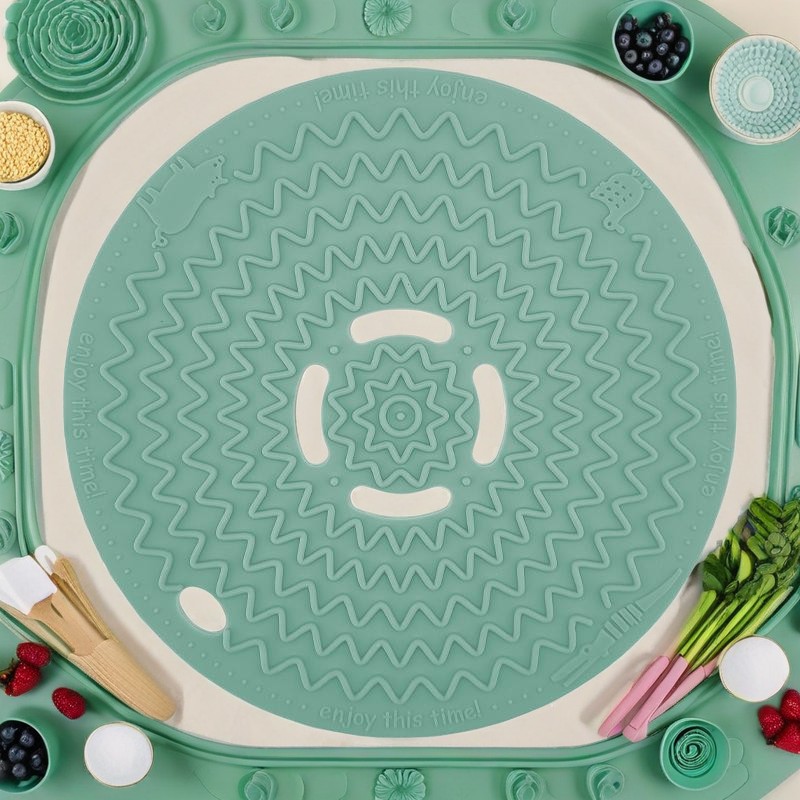
Why Silicone Kitchen Mats Are Practical for Modern Homes
Silicone kitchen mats have become popular because they solve several small household problems with one simple tool. A mat can help protect a countertop from hot cookware, provide a grippy surface for jars and utensils, support baking prep, or contain mess around a pet bowl. The original appeal is straightforward: silicone mats are durable, easy to clean and often made from food-grade silicone for kitchen contact. The best choice, however, depends on how you plan to use the mat, how much heat it may face and what surface you need to protect.
This guide explains the most useful ways to select, use and care for a silicone kitchen mat without treating it as a one-size-fits-all product. It is written for homeowners, renters and small-space cooks who want practical guidance before buying.
Key Takeaways
- A silicone kitchen mat is useful for heat protection, grip, prep work and everyday cleanup.
- Check the supplier’s stated heat range, care instructions and intended use before placing hot cookware on any mat.
- Texture, thickness, size and edge design affect how well a mat works for counters, baking, crafts or pet feeding.
- Clean the mat promptly, avoid sharp blades and store it flat or loosely rolled to extend its service life.
Why Choose a Silicone Kitchen Mat?
A silicone kitchen mat is often chosen because it combines flexibility with a non-slip feel. On a counter, it can create a stable zone for mixing bowls, measuring cups or utensils. When used as a trivet, it can help reduce direct contact between a hot pan and a countertop. When used under a cutting board, it can reduce sliding, although it should not be used as a cutting surface unless the product is specifically designed for that purpose.
Another reason homeowners like silicone is the low-maintenance cleaning routine. Most everyday spills can be rinsed away with warm water and mild dish soap. A mat can also be moved from one area to another, making it more flexible than a permanent counter protector. For small kitchens, this versatility matters because every drawer and work surface has to do more than one job.
Heat Protection: What to Check Before Use
The original article highlights heat resistance as a key benefit of silicone mats. That is true in general, but buyers should avoid assuming that every mat handles the same temperature. Heat resistance depends on the silicone formulation, thickness, design and the maker’s instructions. Before using a mat under a hot skillet, baking tray or saucepan, read the product information and ask the seller for the recommended heat range.
It is also wise to consider the countertop material. Stone, laminate, wood and composite counters respond differently to heat. A silicone mat can add a protective buffer, but it should not be treated as permission to ignore the countertop manufacturer’s guidance. If cookware is extremely hot or has just come from a grill, broiler or high-temperature oven, use extra caution and allow air circulation where possible.
Common Uses Around the Kitchen and Home
A multipurpose silicone mat can reduce the number of small accessories you need in a drawer. The same mat may be used for temporary counter protection, a jar-gripping aid, a spoon rest during cooking or a base for cooling warm baked goods. Some people also use silicone mats for craft projects because glue, paint or clay residue is easier to remove from silicone than from many tabletop surfaces.
Silicone mats are not limited to cooking tasks. The original article mentions pet lick mats, which use textured surfaces to hold soft treats and encourage slower licking. For pet owners, this can be useful during grooming, feeding routines or quiet time. If a mat is intended for pets, choose one made for that purpose and clean it carefully after each use.
Comparison Checklist for Selecting the Right Mat
| Selection Point | Why It Matters | What to Ask or Check |
|---|---|---|
| Intended use | A trivet, baking-prep mat and pet lick mat may need different designs. | Is the product labeled for kitchen contact, heat use, baking prep or pet feeding? |
| Heat guidance | Not all silicone mats tolerate the same temperatures. | What heat range does the supplier state, and for how long? |
| Surface texture | Ridges and patterns can improve grip or hold food, but may take longer to clean. | Is the texture suitable for jars, cookware, dough work or pet treats? |
| Size and thickness | A larger or thicker mat may protect more area but require more storage space. | Will it fit your counter, sink area, drawer or baking station? |
| Cleaning method | Simple cleaning helps prevent odors, residue and staining. | Does the supplier recommend hand washing, dishwasher cleaning or both? |
| Edges and flexibility | Raised edges can contain mess; flexible mats store more easily. | Do you need spill control, easy rolling or a flat work surface? |
How to Use a Silicone Mat Safely
Even a practical kitchen mat should be used with care. Place it on a clean, dry surface so it can grip properly. If crumbs, oil or water sit underneath, the mat may slide or trap moisture against the countertop. When using it for hot items, center the cookware on the mat and avoid dragging heavy pans across the surface.
- Wash the mat before first use according to the supplier’s instructions.
- Confirm that the mat is suitable for the task, especially if heat or food contact is involved.
- Keep sharp knives, pizza wheels and metal scrapers away unless the product is designed for cutting.
- After messy use, rinse promptly so sauces, oils or pet food do not dry into textured areas.
- Let the mat dry fully before storing it in a drawer or cabinet.
Care, Cleaning and Storage Tips
Silicone is valued for easy maintenance, but good habits still matter. Use mild dish soap and a soft sponge for normal cleaning. For textured mats, a soft brush can help remove residue from grooves without damaging the surface. Avoid abrasive pads if the supplier warns against them, and do not use harsh cleaners unless the care label says they are acceptable.
If odors remain after use with garlic, oils or pet foods, wash the mat thoroughly and allow it to air dry. Storing it flat is ideal because it prevents curling. If space is limited, roll it loosely rather than folding it sharply. Before returning it to food prep use, inspect it for deep cuts, tears or sticky residue. Replace a damaged mat if it can no longer be cleaned properly.
When a Silicone Mat May Not Be the Best Tool
A silicone mat is versatile, but it is not always the right answer. For direct cutting, use a proper cutting board. For very heavy cookware, a rigid trivet may feel more stable. For long-term countertop coverage, a larger protective board or heat-safe surface may be better. If you need precise pastry measurements, look for a mat specifically designed for baking prep rather than a general-purpose trivet-style mat.
The smartest purchase is the one that matches your routine. A household that cooks daily may want one mat near the stove and another near the sink. A renter may prioritize counter protection and easy storage. A pet owner may prefer a dedicated pet lick mat that never crosses over into cooking use.
Practical FAQ
Can I put a hot pan directly on a silicone kitchen mat?
Only if the product is intended for heat use and the pan temperature is within the supplier’s stated range. Check the instructions before using it as a trivet.
Is a silicone mat safe for food preparation?
Many kitchen mats are made for food contact, and the original source refers to food-grade silicone. Still, confirm the product label and use it only as directed.
Can I cut vegetables or dough on a silicone mat?
Avoid cutting on a standard silicone mat. Knives can damage the surface. Use a cutting board unless the mat is specifically sold as cut-resistant.
How do I clean a textured pet lick mat?
Rinse it soon after use, wash with mild dish soap and use a soft brush to reach grooves. Dry it completely before storing.
How many silicone mats does a home need?
Most homes can start with one general kitchen mat. Add a second dedicated mat if you use one for pet feeding, crafts or high-mess tasks.
