




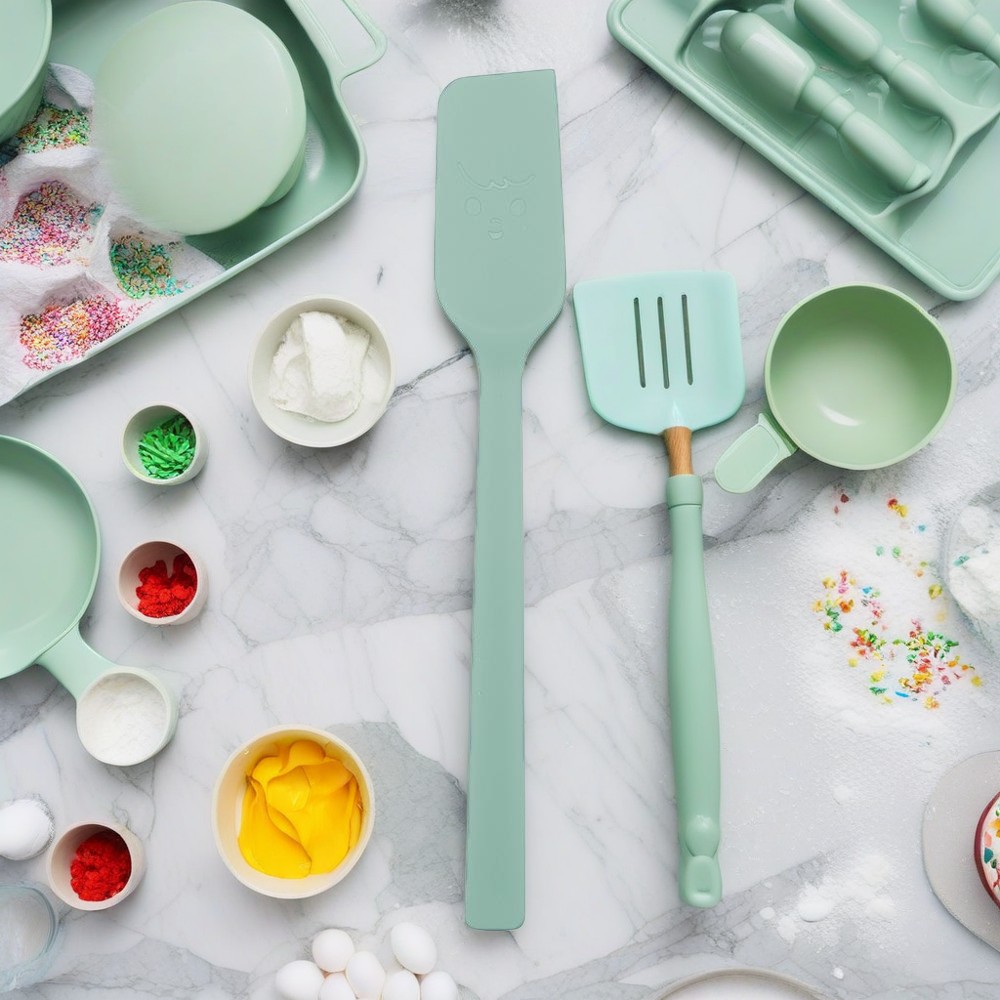
Why a Silicone Spoon Is an Essential Cooking Tool
A silicone spoon is one of those kitchen tools that earns its place through repeated use. It can stir sauce, fold batter, scrape the side of a bowl, and serve food at the table without feeling too specialized. For home cooks, bakers, and anyone trying to protect nonstick cookware, the main appeal is simple: silicone is flexible, gentle on pan surfaces, and easy to clean when used correctly.
The original appeal of silicone cookware comes from its balance of practicality and comfort. A well-designed silicone spoon can be used for everyday cooking tasks where a metal spoon may be too harsh and a wooden spoon may absorb odors or stains over time. Below is a practical guide to what a silicone spoon does well, how to compare it with other utensils, and what to check before buying one.
What Makes a Silicone Spoon Useful in Daily Cooking?
A silicone spoon is valued because it combines a soft working edge with enough structure to stir, mix, and serve. Unlike rigid metal utensils, the edge can flex slightly against bowls, jars, and pans. That makes it useful when you want to collect sauce from the corner of a saucepan or scrape cake batter from a mixing bowl.
The original article highlights several common reasons cooks choose silicone utensils: they are heat resistant, gentle on delicate cookware, lightweight, and suitable for tasks such as stirring sauces, mixing batter, and serving. These advantages are especially relevant in kitchens that use nonstick pans, coated bakeware, or delicate mixing bowls.
Best Uses for a Silicone Spoon
A silicone spoon is not only for stirring soup. Its shape and flexibility make it useful across cooking and baking tasks. The best uses usually involve foods that need gentle handling or containers that need careful scraping.
- Stirring sauces: A silicone spoon can move along the bottom of a pan without scratching nonstick surfaces.
- Mixing batters: The flexible edge helps fold ingredients and reduce waste left in the bowl.
- Serving cooked foods: Many silicone spoons are comfortable enough for portioning vegetables, pasta, rice, or stews.
- Scraping jars and bowls: Silicone can bend into curved surfaces better than many wooden or metal spoons.
- Working with sticky foods: Peanut butter, frosting, dough, and thick sauces are easier to spread or remove with a flexible head.
For best results, match the spoon shape to the task. A deeper spoon bowl is better for serving liquids and stews, while a flatter spoonula-style head works well for scraping, spreading, and folding.
Silicone Spoon vs. Wood, Metal, and Nylon
No single utensil material is perfect for every task. Silicone is popular because it performs well in many situations, but it helps to understand how it compares with common alternatives.
| Utensil Material | Best For | Limitations to Consider |
|---|---|---|
| Silicone | Nonstick cookware, scraping bowls, stirring sauces, folding batter | Quality varies; buyers should check heat guidance and construction |
| Wood | General stirring, rustic cooking, use with many pan types | Can absorb odors or stains; may need more careful drying |
| Metal | High-force stirring, scraping durable cookware, serving firm foods | Can scratch nonstick or coated surfaces |
| Nylon | Budget-friendly cooking utensils and nonstick use | Can be less flexible; heat tolerance varies by product |
If you often cook with nonstick cookware, silicone is usually a safer daily choice than metal. If you frequently stir very dense foods, such as heavy dough or thick candy mixtures, you may still need a stronger tool designed for that purpose.
How to Choose a Good Silicone Spoon
When shopping for a silicone spoon, do not rely only on color or appearance. A better approach is to compare the details that affect comfort, safety, and long-term performance.
- Check the material statement: Look for clear product information about the silicone used. If the seller claims food-contact suitability, the packaging or supplier information should support that claim.
- Ask about heat guidance: Silicone utensils are commonly described as heat resistant, but the safe temperature range depends on the specific product. Follow the manufacturer’s instructions.
- Inspect the handle: An ergonomic handle can improve control when stirring, folding, or scraping. It should feel stable and not slippery in normal use.
- Look at the head shape: A spoon with a flexible edge is helpful for bowls and pans. A deeper head is better for serving.
- Consider one-piece construction: A seamless design can reduce food traps, though some multi-piece tools are also easy to clean if well made.
- Confirm cleaning instructions: Some silicone utensils are dishwasher safe, but always confirm the care label for the specific item.
For wholesale or OEM sourcing, buyers should also ask suppliers about available colors, packaging options, material documentation, quality inspection processes, and whether samples can be reviewed before bulk orders. Avoid assuming details such as certification, testing results, or minimum order quantity unless the supplier provides them in writing.
Use and Care Tips for Silicone Utensils
Silicone utensils are generally easy to maintain, but they still benefit from proper care. After cooking oily or strongly flavored foods, wash the spoon promptly with warm water and dish soap. If the product is marked dishwasher safe, place it in the dishwasher according to the utensil maker’s instructions. The original article notes that silicone tools such as a modern silicone spatula can be dishwasher safe, but it is still best to verify the care guidance for the exact item you own.
To extend the life of a silicone spoon, avoid leaving it resting against extremely hot cookware for long periods unless the manufacturer specifically says it is suitable for that use. Do not cut directly on the silicone head, because knives can damage the surface. If you notice cracking, peeling, stickiness that does not wash away, or a loose handle, replace the utensil.
Common Mistakes to Avoid
One common mistake is treating every silicone utensil as identical. Thickness, flexibility, handle design, and heat guidance can vary. Another mistake is using a soft silicone spoon for jobs that require leverage, such as breaking apart frozen food or stirring very stiff mixtures. A silicone spoon is versatile, but it should not replace every tool in the kitchen.
It is also wise to avoid storing silicone tools while they are still greasy or damp. Clean, dry storage helps prevent odors and keeps the utensil ready for the next use. If the spoon has a hanging hole, hanging storage can keep it accessible and reduce drawer clutter.
Key Takeaways
- A silicone spoon is useful for stirring, scraping, folding, and serving.
- Its flexible edge is especially helpful with bowls, jars, and nonstick cookware.
- Choose based on material information, handle comfort, head shape, and care instructions.
- For sourcing, ask suppliers to confirm documentation, samples, packaging, and order details.
- Proper washing and storage help silicone utensils last longer.
FAQ
Can I use a silicone spoon on nonstick cookware?
Yes, silicone utensils are commonly chosen because they are gentle on nonstick and coated cookware. Always use reasonable pressure and avoid sharp edges or damaged tools.
Is a silicone spoon safe for hot cooking?
Silicone utensils are often described as heat resistant, but limits vary by product. Check the manufacturer’s temperature guidance before using the spoon in very hot pans or near open flames.
Can silicone spoons go in the dishwasher?
Many silicone utensils are dishwasher safe, and the original article notes dishwasher-safe care for a modern silicone spatula. However, confirm the care instructions for your specific spoon.
Why does my silicone spoon hold odors?
Strong foods, oils, and delayed washing can leave odors. Wash promptly with dish soap, rinse well, and dry completely before storing.
What should buyers ask a silicone spoon supplier?
Ask about material details, heat-use guidance, available colors, packaging, samples, inspection process, lead time, minimum order quantity, and any documentation the supplier can provide.
