




Why a Silicone Spoon Belongs in Every Kitchen
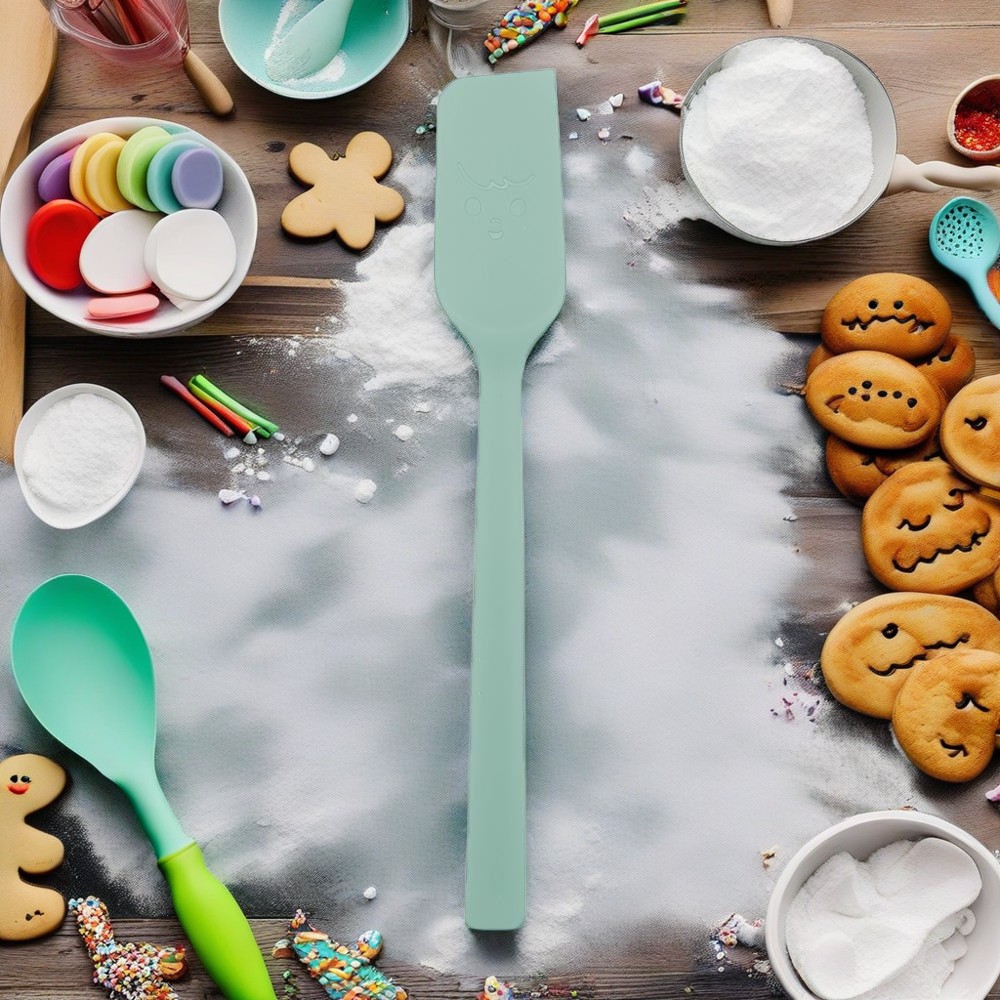
A silicone spoon is one of those kitchen tools that earns its place through daily use. It can stir soup, fold batter, scrape sauce from a bowl, and serve food without the hard edge of metal. For home cooks who use nonstick pans, mixing bowls, and everyday cookware, a silicone spoon offers a useful balance of flexibility and firmness.
Unlike a highly specialized tool, a silicone spoon is meant for repeated, practical tasks. It is not only about appearance or color; the real value is how it performs when a recipe requires gentle contact, easy scraping, and comfortable handling. This guide explains where silicone spoons work best, how they compare with wood and metal, what to check before buying, and how to keep them in good condition.
Key Takeaways
- A silicone spoon is useful for stirring, mixing, folding, scraping, and serving.
- Its softer edge makes it a practical choice for nonstick cookware.
- Buyers should check the supplier’s stated heat rating, handle construction, and cleaning instructions.
- Good care helps prevent odors, staining, and surface damage.
What Makes a Silicone Spoon Different?
A silicone spoon combines a smooth, flexible working end with enough structure for ordinary cooking tasks. This is why it is often used for both stovetop cooking and baking preparation. When mixing batter, it can move along the side of a bowl more closely than a rigid metal spoon. When stirring sauces, it can glide across cookware without the scraping sound and hard contact associated with metal utensils.
The original appeal of silicone cooking utensils is simple: they are soft enough for delicate surfaces yet sturdy enough for frequent use. This makes them especially helpful in kitchens where nonstick pans, ceramic-coated cookware, or lightweight mixing bowls are used often. A spoon shape also gives more scooping ability than a flat spatula, which is useful for sauces, stews, custards, oatmeal, and cake batter.
Best Uses for a Silicone Spoon
A silicone spoon is not limited to one job. It is most useful when the task needs both movement and gentle contact. Common uses include stirring soups, mixing batters, folding delicate ingredients, scraping bowls, spooning sauces, and serving soft foods. In baking, it can help combine wet and dry ingredients without overworking them. In everyday cooking, it can move food around a pan without damaging the surface.
For thicker foods, such as mashed potatoes or dense dough-like mixtures, the spoon should feel firm through the handle and head. If it bends too much, it may be better suited to lighter mixing. For liquids and sauces, a slightly flexible edge can be an advantage because it follows the curve of a pan or bowl.
Silicone vs. Wood vs. Metal: Quick Comparison
| Utensil Material | Strengths | Limitations | Best For |
|---|---|---|---|
| Silicone | Gentle on nonstick cookware, flexible for scraping, comfortable for mixing | Quality and heat tolerance vary by product; may hold odors if poorly cleaned | Sauces, batters, soups, nonstick pans, everyday cooking |
| Wood | Firm, traditional feel, good for stirring | Can absorb moisture and odors; needs careful drying | Stirring stews, sautéing, general cooking |
| Metal | Very rigid, durable for heavy-duty tasks | Can scratch nonstick surfaces and become hot during cooking | Stainless cookware, serving, tasks requiring rigidity |
How to Choose a Good Silicone Spoon
When shopping for a silicone spoon for cooking, look beyond color and shape. A good spoon should feel balanced in the hand and should not twist too easily under pressure. The head should be flexible at the edge but not so soft that it collapses while stirring. If the handle has a core or separate material, check whether there are seams where food could collect.
Because product details vary, buyers should confirm important information from the seller or manufacturer rather than assuming all silicone utensils are the same. Useful questions include:
- What heat rating is stated for this spoon, and is it intended for stovetop use?
- Is the spoon one-piece or assembled from multiple parts?
- What cleaning method is recommended by the supplier?
- Is the handle designed to stay comfortable during longer cooking sessions?
- Does the spoon size match the cookware and mixing bowls you use most often?
Size matters. A smaller spoon works well for jars, sauces, and small pans, while a larger spoon is better for soups, stews, and family-size mixing bowls. If you cook often, having more than one size can be more practical than relying on a single utensil for every task.
Using a Silicone Spoon with Nonstick Cookware
One of the strongest reasons to use a silicone spoon is its compatibility with nonstick cookware. The softer edge is less likely to mark the coating compared with metal utensils. This is especially useful when stirring sauces, folding eggs, or moving food around in a pan. Even so, care still matters. Pressing hard with any utensil, storing tools roughly, or using damaged cookware can shorten the life of a pan.
Use smooth motions rather than cutting or chopping motions in the pan. If food is stuck, let it loosen with liquid or gentle heat instead of forcing it away with the spoon edge. A silicone spoon is designed for stirring and scraping, not for prying hardened food from a surface.
Cleaning and Care Tips
Silicone utensils are generally easy to clean, but proper care keeps them fresher for longer. Rinse the spoon soon after use, especially after cooking tomato sauce, curry, garlic, or oily foods. Wash with warm water and dish soap, paying attention to the area where the handle meets the head if the utensil is not one-piece.
- Wash promptly after use to reduce staining and odor buildup.
- Use a soft sponge instead of abrasive pads that may roughen the surface.
- Dry fully before storing, especially in closed drawers or containers.
- Keep it away from sharp knives and tools that can cut the silicone.
- Follow the supplier’s dishwasher guidance if you prefer machine washing.
If a silicone spoon develops a lingering smell, wash it thoroughly and allow it to air out completely. Persistent odor, cracks, stickiness, or deep cuts are signs that it may be time to replace the utensil.
When a Silicone Spoon May Not Be the Best Tool
Although versatile, a silicone spoon is not perfect for every task. It is not the right tool for cutting food in a pan, lifting heavy roasts, or scraping burnt residue from cookware. For tasks that need a very thin edge, a turner or spatula may work better. For very heavy mixing, a rigid wooden spoon may feel more stable.
The best kitchen setup usually includes several utensil types. A silicone spoon is valuable because it covers many everyday cooking and baking jobs while being gentle on cookware. It should be chosen as part of a practical tool set, not as a replacement for every other utensil.
FAQ
Is a silicone spoon safe for nonstick pans?
Yes, a silicone spoon is commonly used with nonstick cookware because the working edge is softer than metal. Still, use gentle pressure and avoid cutting or scraping aggressively in the pan.
Can I use a silicone spoon for hot cooking?
Many silicone cooking utensils are designed for hot foods, but heat ratings vary. Check the supplier’s stated temperature guidance before using the spoon on high heat or leaving it in a hot pan.
Why does my silicone spoon smell after cooking?
Strong ingredients and oils can leave odors if the spoon is not cleaned promptly. Wash it with dish soap, rinse well, and let it dry fully in open air.
Is a one-piece silicone spoon better?
A one-piece design can reduce seams where food may collect. However, overall quality, firmness, handle comfort, and cleaning instructions are also important.
How do I know when to replace a silicone spoon?
Replace it if you notice deep cuts, cracks, sticky texture, loose parts, or odors that remain after careful cleaning. Damaged utensils are harder to keep clean and may not perform well.
