




Why Weight Matters: Selecting the Right Balance for Your Hand
A good pair of tailor scissors should feel controlled, comfortable, and predictable from the first cut to the last. Sharp blades matter, but weight and balance often decide whether cutting fabric feels smooth or tiring. If scissors are too heavy for your hand, your wrist and fingers work harder than they should. If they are too light for the fabric, the cut may feel unstable, especially through thicker materials or multiple layers.
This guide explains how to choose tailor scissors by weight, balance, hand fit, and project type. It is written for sewists, tailors, pattern makers, dressmakers, and serious hobby users who want practical selection advice rather than vague product claims.
Key Takeaways
- Scissor weight affects fatigue, control, and cutting stability.
- Balance is as important as total weight because it changes how the scissors sit in your hand.
- Lighter scissors are easier to move, while heavier scissors can feel steadier on dense or layered fabric.
- The best choice depends on hand size, grip strength, cutting duration, and fabric type.
- Whenever possible, test scissors with a cutting motion before buying.
How Weight Changes the Cutting Experience
Weight influences how much effort your hand uses with every open-and-close motion. During short tasks, the difference may seem small. During long cutting sessions, however, even a modest mismatch can lead to wrist strain, finger pressure, or less accurate cutting.
Lightweight tailor scissors are often easier to maneuver around curves, small pattern pieces, and delicate fabrics. They are useful when speed and hand comfort are the priority. The tradeoff is that very light scissors may feel less planted when cutting heavy cloth, layered fabric, or long straight lines.
Heavier tailor scissors can provide a steadier cutting feel. Their mass may help the blades track through dense fabric with less wobble. For some users, this added stability improves confidence and accuracy. For others, especially those with smaller hands or reduced grip strength, the same weight can become tiring.
Balance: The Detail Many Buyers Overlook
Two pairs of scissors can weigh the same but feel completely different. That is because balance determines where the weight is concentrated. A well-balanced pair rests naturally in the hand, with less need to lift or correct the blade angle. Poor balance can make the tips feel too heavy, the handles feel awkward, or the cutting motion feel uneven.
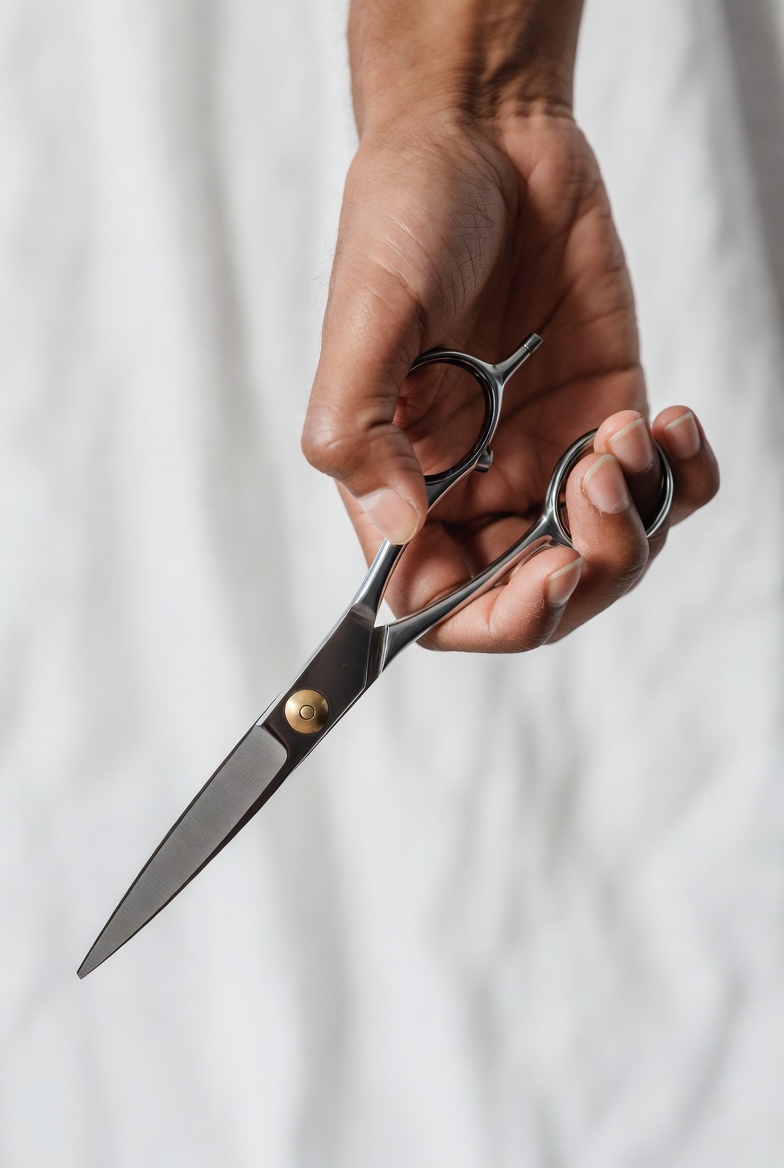
When assessing balance, hold the scissors in your normal cutting position. The tool should not pull your wrist downward or force your thumb and fingers to compensate. Open and close the blades several times. The action should feel smooth, and the scissors should not twist in your hand. If you feel pressure at one point of your grip immediately, that discomfort may become worse during extended use.
Comparing Tailor Scissor Weight Options
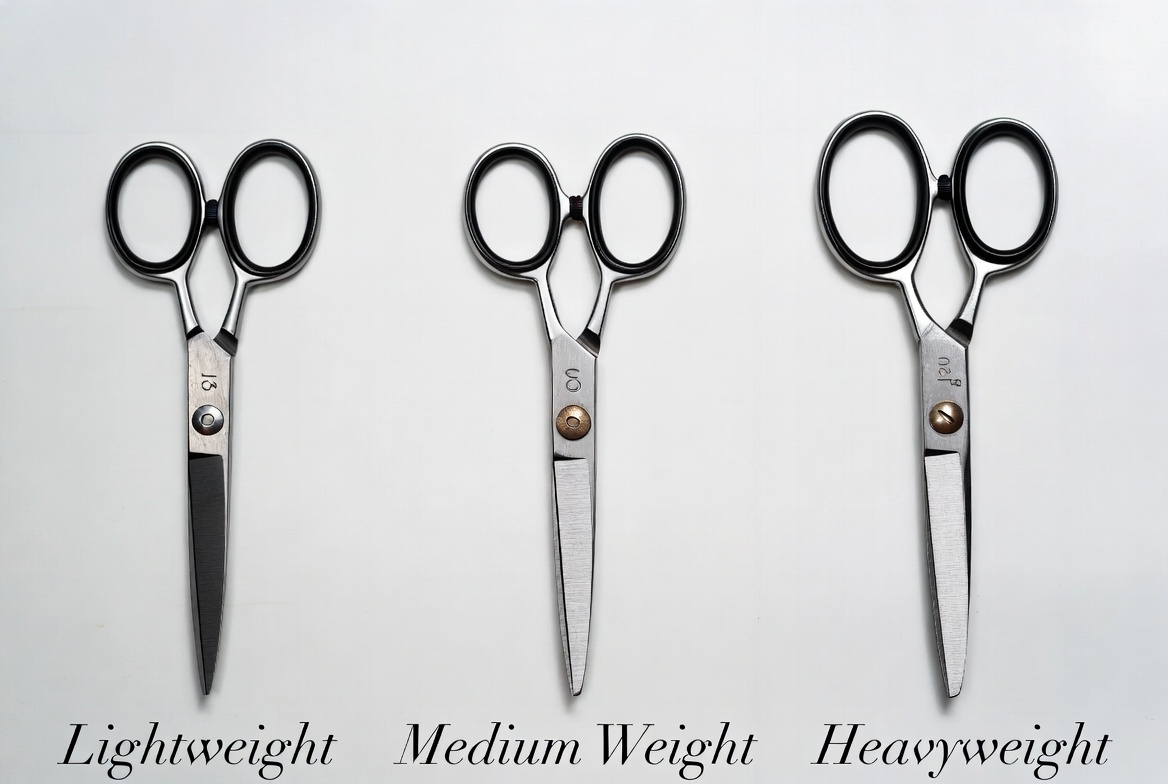
The table below offers a practical way to compare common weight categories. It is not a strict specification chart, because exact weight varies by scissor length, handle design, and construction. Use it as a selection checklist when comparing different models.
| Weight category | Best suited for | Main advantage | What to check before choosing |
|---|---|---|---|
| Lightweight | Delicate fabrics, small pieces, curved cuts, shorter projects | Easy to move and less tiring for many users | May feel less stable on thick or layered materials |
| Medium weight | General garment making, alterations, mixed fabric use | Balanced comfort and control for many hands | Still needs to match your hand size and cutting style |
| Heavyweight | Thicker fabrics, long straight cuts, larger cutting tasks | Steadier feel and more control for some dense materials | Can fatigue the hand if used for long sessions or with a weak grip |
Match Scissor Weight to Fabric and Project Type
Your fabric habits should guide your choice. If you mainly cut lightweight cotton, lining, thin synthetics, or small craft pieces, a lighter pair may give you better speed and comfort. If you often work with denim, coating, upholstery-style fabrics, or several layers at once, a heavier or more stable pair may feel more dependable.
For general sewing, many users prefer a middle option because it covers a wider range of tasks. This is especially useful if you cut different fabrics in the same week and do not want to switch tools constantly. However, one pair rarely performs perfectly in every situation. Professionals and frequent sewists often keep more than one pair: one for lighter work and another for heavier fabric cutting.
Consider Hand Size, Grip Strength, and Cutting Duration
The right tailor scissor is not only about the fabric. It is also about your hand. A pair that works well for one person may feel awkward for another. Hand size affects handle fit, thumb position, and how much leverage you can apply. Grip strength affects how easily you control heavier scissors over time.
Use the following checklist when comparing options:
- Hand fit: Your fingers should sit comfortably in the handles without pinching or stretching.
- Wrist position: Your wrist should remain fairly neutral, not bent sharply upward or downward.
- Tip control: The scissor tips should follow your intended line without drifting.
- Opening span: You should be able to open the blades without straining your thumb.
- Fatigue test: Simulate several cuts; discomfort after a few motions is a warning sign.
If you have joint sensitivity, hand fatigue, or long production-style cutting sessions, prioritize comfort over appearance. A scissor that feels slightly less powerful but allows you to cut longer with less strain may be the better choice.
How to Test Tailor Scissors Before Buying
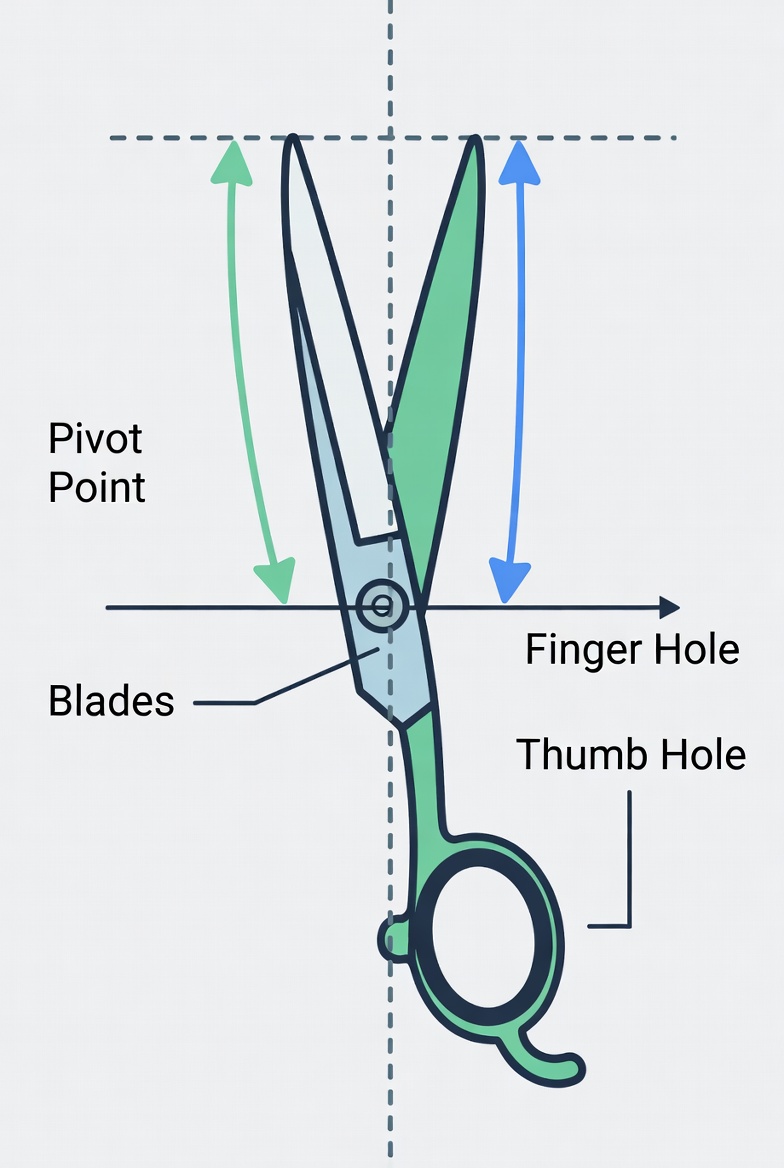
If you can test scissors in person, do more than simply hold them. Place them in your cutting hand and mimic the way you cut fabric on a table. Open and close the blades slowly, then quickly. Notice whether your hand stays relaxed or whether you need to grip tightly to control the tool.
If fabric testing is allowed, try a material similar to what you normally use. Cut a straight line, a gentle curve, and a small notch. Listen and feel for smoothness. The scissors should not chew the fabric, pull it upward, or make you press excessively. Also check whether the handles create pressure points around the thumb or fingers.
When buying online, read product information carefully and compare return policies. Because weight preference is personal, the ability to exchange or return a poorly fitting pair can be valuable. If a supplier does not list details you need, ask questions before ordering, such as the scissor length, handle style, intended fabric use, and whether the model is better suited to light, medium, or heavy cutting.
Care Habits That Preserve Cutting Comfort
Even well-chosen scissors can become tiring if they are dull, dirty, or misused. Keep fabric scissors dedicated to fabric only. Cutting paper, wire, plastic, or other unsuitable materials can reduce blade performance and make each fabric cut require more force.
Wipe the blades after use, especially when cutting linty or treated fabrics. Store scissors closed and away from moisture. If the cutting action becomes rough or the blades stop meeting cleanly, consider professional sharpening or adjustment rather than forcing the cut. A sharp, clean pair reduces effort and helps maintain the balance you chose in the first place.
FAQ
Are heavier tailor scissors always better for cutting fabric?
No. Heavier scissors can feel stable on dense fabrics, but they may tire your hand during long sessions. The best weight depends on your hand strength, fabric type, and cutting habits.
What is the best scissor weight for beginners?
Many beginners do well with a medium-weight pair because it offers a practical balance between comfort and control. However, beginners with small hands may prefer a lighter option.
How do I know if scissors are poorly balanced?
If the tips feel like they pull downward, the handles twist in your hand, or your wrist works hard to keep the blades aligned, the balance may not suit you.
Should I use the same scissors for all fabrics?
You can use one pair for general work, but frequent cutting of very light and very heavy fabrics may justify separate scissors. This helps improve control and reduces unnecessary wear.
Can good maintenance make scissors feel lighter?
Maintenance does not change actual weight, but sharp, clean, well-adjusted scissors require less force. That can make cutting feel easier and reduce fatigue.
Final Thoughts
Choosing tailor scissors is a personal decision shaped by weight, balance, hand fit, and fabric type. Instead of assuming the heaviest or lightest pair is best, focus on how the scissors behave in your hand. The right pair should support steady cutting, reduce unnecessary effort, and help you work accurately for the length of time your projects require.
