




Yangjiang Scissors: Practical Sourcing Guide for Tailoring Tools
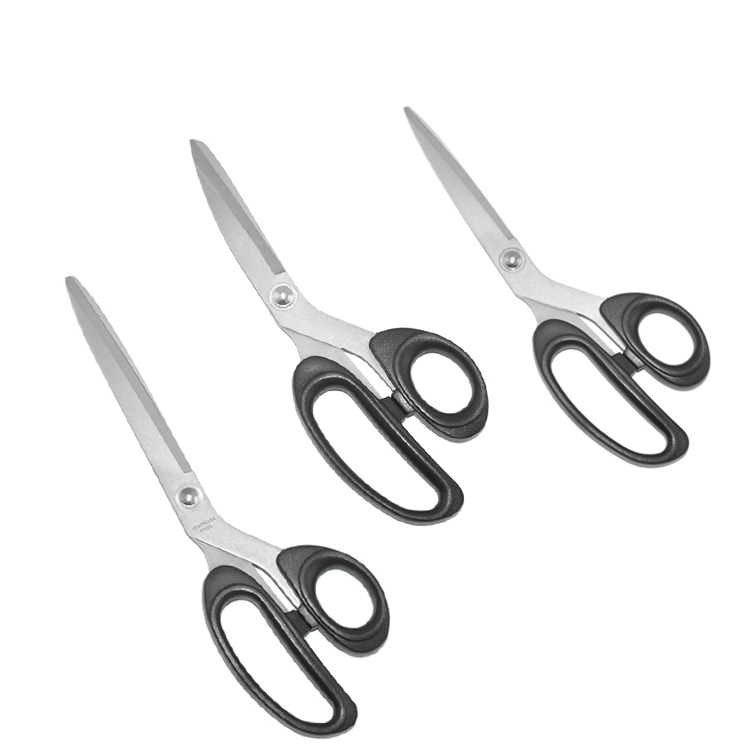
Yangjiang has long been associated with cutting tools, including scissors used for sewing, tailoring, crafts, and general fabric work. For buyers comparing tailoring scissors, the name often appears in searches because the region is known for knife and scissor production. However, a good sourcing decision should not rely on location alone. It should be based on how the scissors cut, how they feel in the hand, how consistently they are finished, and whether the supplier can answer practical commercial and quality questions.
The original product description highlights several useful points: polished stainless steel blades, an ergonomic handle, a matte black finish, and a robust pivot joint. These are relevant details for buyers and end users, but they still need to be verified against samples and supplier documentation. This guide explains how to evaluate Yangjiang scissors for tailoring use without treating marketing claims as a substitute for testing.
Key Takeaways
- Yangjiang scissors can be a practical option for tailoring, fabric cutting, and craft use, but samples should be tested before bulk purchasing.
- Important selection factors include blade sharpness, pivot stability, handle comfort, finish quality, and cutting consistency across different textiles.
- B2B buyers should ask suppliers about materials, inspection methods, packaging, customization, lead time, and after-sales support.
- Care habits such as keeping scissors dry, cutting only fabric, and checking pivot tension can extend service life.
What Makes Scissors Suitable for Tailoring?
Tailoring scissors are different from ordinary desk scissors because they must cut long, clean lines through fabric without chewing, pulling, or shifting the material. A sharp blade edge matters, but the full tool design matters too. The pivot should open and close smoothly, the handle should reduce hand fatigue, and the blade alignment should remain stable during repeated use.
For professional tailoring rooms, consistency is especially important. One excellent sample does not guarantee that every carton in a shipment will perform the same way. Buyers should compare several pieces from the same batch and test them on the fabrics most relevant to their work, such as cotton, denim, lining fabric, felt, or lightweight synthetic textiles.
Blade, Handle, and Pivot: What to Check
The featured description refers to polished stainless steel blades. Stainless steel is commonly valued because it can resist corrosion better than some untreated steels, but buyers should still ask the supplier what material is used and how the blades are finished. Do not assume a specific steel grade unless it is stated and supported by supplier information.
The handle is another practical concern. An ergonomic handle can help reduce pressure during repeated cutting, but comfort is personal. A handle that suits one user may feel too small, too large, or poorly angled for another. When sourcing for a workshop or retail line, it is wise to collect feedback from several users before confirming a design.
The pivot joint deserves close attention. A loose pivot can cause fabric to fold between the blades; an overly tight pivot can make the scissors tiring to use. A robust pivot joint, as described in the original article, should be tested by opening and closing the scissors repeatedly and checking whether blade alignment remains steady.
Comparison Checklist for Buyers
| Evaluation Point | What to Look For | Questions to Ask a Supplier |
|---|---|---|
| Blade sharpness | Clean cutting from base to tip without snagging | How is blade sharpness inspected before packing? |
| Blade material | Clear material description, not vague claims | What blade material is used, and can it be documented? |
| Pivot action | Smooth opening, stable alignment, no wobble | Is pivot tension adjustable or fixed? |
| Handle comfort | Comfortable grip for repeated cutting | Are handle colors, shapes, or materials customizable? |
| Surface finish | Even polishing or coating, no burrs or rough edges | What finish options are available, such as matte black? |
| Packaging | Protected tips and blades for transport | Can packaging be adapted for retail, wholesale, or OEM needs? |
B2B Sourcing Guidance for Yangjiang Scissors
If you are sourcing scissors for wholesale, private label, retail, or workshop supply, treat supplier communication as part of quality control. A reliable supplier should be able to explain the product clearly and respond to technical questions. Avoid making decisions based only on a product photo or a short description.
Before placing a larger order, consider the following process:
- Request samples in the exact size, finish, and handle design you intend to buy.
- Test samples on the fabrics your customers or staff actually cut.
- Check consistency by comparing more than one sample, not just a single piece.
- Ask what inspections are performed before shipment and what defects are rejected.
- Confirm packaging, labeling, carton protection, and shipping terms in writing.
- Discuss OEM or branding needs only after the base product meets performance expectations.
Commercial details such as minimum order quantity, lead time, customization options, pricing, and documentation should be confirmed directly with the supplier. Do not assume these details from a general product article.
Use and Care Tips for Longer Service Life
Even well-made fabric scissors can lose performance if they are used incorrectly. The most important rule is to reserve tailoring scissors for fabric. Cutting paper, cardboard, plastic packaging, wire, or adhesive materials can dull the blades or leave residue on the cutting edge.
After use, wipe the blades clean and dry, especially if the scissors have been used in a humid workspace. Store them closed, ideally with the blade tips protected. If the pivot area collects lint, remove it gently. If the scissors begin to feel stiff or loose, inspect the pivot and ask the supplier or a professional sharpener whether adjustment is appropriate for that model.
Common Mistakes When Choosing Fabric Scissors
One common mistake is choosing scissors only by appearance. A matte black finish, for example, may look clean and professional, but it should still be checked for coating evenness, grip comfort, and durability during normal handling. Another mistake is focusing only on initial sharpness. Long-term usefulness depends on how well the blades stay aligned and how easily the scissors can be maintained.
Buyers should also avoid assuming that heavier scissors are always better. Some users prefer weight for stability, while others need lighter tools for long cutting sessions. The best option depends on the user group, fabric type, and cutting frequency.
Practical FAQ
Are Yangjiang scissors only for professional tailors?
No. They may be used by professional tailors, sewing workshops, craft users, and hobbyists, depending on the model and cutting performance. The right choice depends on fabric type and usage frequency.
How should I test a sample pair of fabric scissors?
Cut long straight lines, curves, and small notches on several fabrics. Check whether the scissors cut cleanly from the inner blade area to the tip and whether your hand feels strained after repeated use.
Can I request OEM branding or custom packaging?
Many sourcing projects involve branding or packaging discussions, but availability depends on the supplier. Ask directly about logo methods, packaging options, artwork requirements, lead time, and order quantities.
What supplier claims should I verify?
Verify blade material, finish, inspection process, packaging protection, and any performance claims. If certifications, testing, or compliance documents are important for your market, request current documents before ordering.
How do I keep tailoring scissors sharp?
Use them only for fabric, keep them clean and dry, avoid dropping them, and store them safely. If cutting performance declines, use a qualified sharpening service rather than forcing the blades through fabric.
Final Thoughts
Yangjiang scissors can be a useful choice for tailoring and fabric work when the design, finish, and cutting performance match the buyer’s needs. The best approach is practical: review the stated features, request samples, test them on real materials, and ask the supplier clear questions before committing to bulk purchase or private-label production.
