




Yangjiang Tailor Scissors: Precision and Style
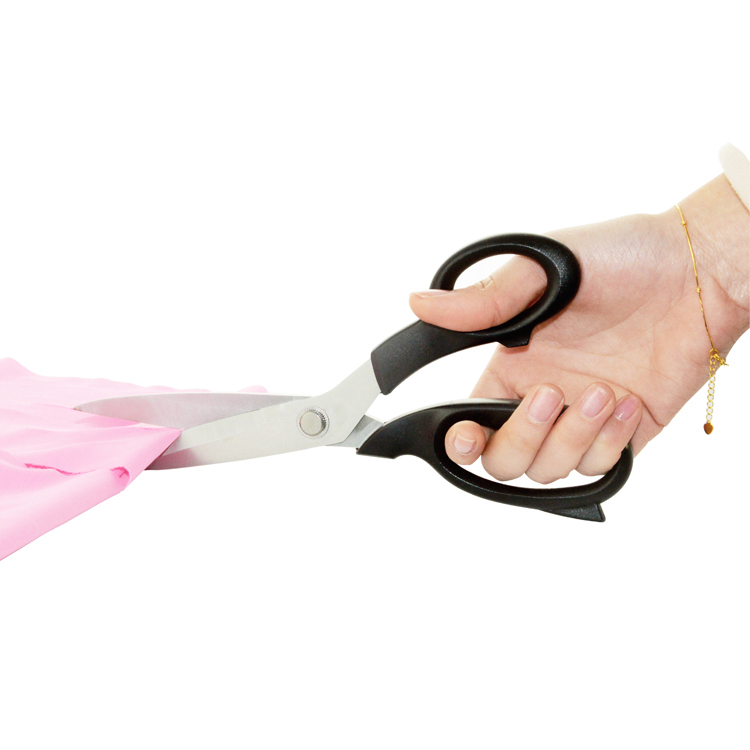
Yangjiang tailor scissors are widely associated with China’s long-established cutlery and hand-tool industry. For sewing workshops, fabric distributors, craft retailers, uniform makers, and private-label buyers, the appeal is not only the finished pair of scissors. It is also the local manufacturing ecosystem: blade production, handle molding, assembly, polishing, packaging, and export coordination can often be discussed within one sourcing region.
The original product introduction highlights several useful points: Yangjiang is known as a cutlery center, tailor scissors from the area are valued for precision and durability, and common selling points include high-grade stainless steel blades, ergonomic handles, smooth pivot joints, and suitability for both right- and left-handed users. Those claims are helpful starting points, but B2B buyers should still verify every specification before placing a wholesale, OEM, or private-label order.
Key Takeaways
- Yangjiang is a well-known sourcing area for cutlery and scissors, including tailor scissors for fabric cutting.
- Buyers should confirm blade material, handle material, pivot construction, packaging, and inspection standards in writing.
- Comfort matters: handle shape, weight balance, and cutting resistance affect daily use in sewing rooms.
- Samples should be tested on the fabrics your customers actually cut, such as cotton, denim, lining fabric, or silk-like materials.
- For OEM orders, ask suppliers about logo methods, packaging files, sample lead time, mass production lead time, and quality control steps.
Why Yangjiang Matters for Tailor Scissors Sourcing
Yangjiang is often described as the “Cutlery Capital” of China because of its concentration of knife, scissors, and metal tool manufacturing. This matters for importers and wholesalers because mature industrial clusters can make communication, component sourcing, and production coordination more efficient. A buyer may be able to compare different handle designs, blade finishes, packaging options, and price levels across several suppliers.
However, a famous production location does not automatically guarantee the right product. Tailor scissors are used for long, controlled cuts through fabric, so small differences in blade alignment, handle comfort, and pivot tension can change the user experience. Treat the place of origin as a sourcing advantage, not as a substitute for due diligence.
What to Check Before Choosing a Supplier
When evaluating a tailor scissors supplier, start with the product’s intended market. A sewing school, a professional alteration shop, a craft retailer, and a discount household goods chain may need different balances of durability, finish, packaging, and cost. Share target users and expected cutting materials with the supplier instead of asking only for a general quotation.
Ask clear questions before sampling. What blade material is being offered? What handle material is used? Is the pivot adjustable or fixed? What sizes are available? Can the scissors be packed for retail display? What logo options are possible? Are there existing inspection criteria for sharpness, alignment, appearance, and packaging? If the supplier makes claims about standards, certifications, or test results, request documents and confirm that they apply to the exact product you plan to buy.
Blade, Pivot, and Handle Details That Affect Performance
The original article mentions high-grade stainless steel blades, precision cutting, durability, ergonomic handles, and smooth pivot joints. These are important features, but they should be translated into measurable purchasing details. For example, a buyer can ask the supplier to define the blade material, hardness range if available, blade thickness, finish, and sharpening process. If these details are not confirmed, avoid printing them as product claims on your own packaging or website.
The pivot is another key area. A smooth joint supports cleaner cutting because the blades meet consistently along the cutting edge. Too loose, and the fabric may fold or slip. Too tight, and the user may feel hand fatigue after repeated cuts. During sample testing, open and close each pair several times, cut from the base to the tip, and check whether the motion remains consistent.
Handle comfort is especially important for tailors and sewing workers who cut fabric for hours. Ergonomic handles can reduce strain, but comfort is subjective. Test grip size, finger opening, edge smoothness, and weight balance with different users whenever possible. If the product is described as suitable for both right- and left-handed users, verify that the handle shape and blade visibility work acceptably for both groups.
Comparison Checklist for Wholesale Buyers
| Check Point | What to Ask the Supplier | Why It Matters |
|---|---|---|
| Blade material | What steel or stainless steel specification is used? | Supports accurate product descriptions and consistent performance. |
| Cutting test | Which fabrics are tested before shipment? | Tailor scissors should cut cleanly through the buyer’s target materials. |
| Pivot joint | Is the joint adjustable, riveted, or screw-fixed? | Pivot tension affects smoothness, blade contact, and user fatigue. |
| Handle design | What handle material, size, and color options are available? | Comfort and appearance influence retail acceptance and repeat use. |
| OEM packaging | Can the supplier provide dielines, logo placement, and barcode space? | Private-label orders need packaging that fits retail and logistics needs. |
| Inspection | What appearance and function checks are performed before shipment? | Reduces risk of returns, complaints, and inconsistent batches. |
Sample Testing Before a Bulk Order
Do not approve a bulk order based only on photos. Request samples from the same production route proposed for mass production. If you are comparing several Yangjiang tailor scissors suppliers, create a simple test sheet and score each sample using the same method.
- Cut lightweight, medium, and heavy fabrics that match your customer base.
- Check whether the scissors cut cleanly from heel to tip without snagging.
- Open and close the scissors repeatedly to assess pivot smoothness.
- Inspect handle edges, surface finish, blade alignment, and packaging quality.
- Record sample weight, size, labeling, and any visible defects.
- Ask the supplier which sample details will be identical in mass production.
For professional sewing users, long-cut stability is often more important than a single sharp first impression. A pair may feel sharp on paper but perform poorly on layered fabric. Your sample test should reflect real working conditions.
OEM and Private-Label Buying Questions
If the order is for OEM or private label, clarify commercial and technical details early. Ask whether logo marking is available on the blade, handle, hang tag, blister card, or outer carton. Confirm artwork format, color requirements, packaging dimensions, and carton marks. If the supplier has a minimum order quantity, lead time, or sample fee, request the details directly rather than assuming a standard figure.
Also discuss how changes are controlled. If the approved sample uses a specific blade finish, handle color, screw type, or retail card, the purchase order should reference those details. For repeat orders, ask whether the supplier will notify you before changing materials, tooling, packaging suppliers, or production processes.
Practical Care Guidance for End Users
Retailers and wholesalers can reduce after-sales issues by giving customers basic care instructions. Tailor scissors should be used for fabric rather than paper, wire, plastic straps, or household cutting tasks that can dull the edge. After use, wipe the blades clean and keep the scissors dry. Store them closed in a sleeve, box, or sewing kit compartment to protect the edge and reduce accidental damage.
If the pivot becomes stiff, users should follow the supplier’s care advice. Some scissors may allow careful adjustment, while others should not be altered. Avoid making maintenance claims unless the supplier provides clear instructions for the exact model.
FAQ
Are Yangjiang tailor scissors suitable for professional sewing rooms?
They can be, depending on the exact model and quality level. Buyers should test samples on the fabrics used in their sewing rooms and confirm blade alignment, pivot smoothness, and handle comfort before ordering in bulk.
Can I request OEM packaging for wholesale tailor scissors?
Many suppliers may offer OEM or private-label options, but details vary. Ask about logo placement, packaging dielines, barcode space, artwork requirements, sample approval, and minimum order quantity.
What product details should be confirmed before import?
Confirm blade material, handle material, size, finish, packaging, carton information, inspection criteria, lead time, and any compliance documents required by your market.
How should tailor scissors be tested?
Test them on real fabric types, not only paper. Check long cuts, tip cutting, layered fabric performance, pivot smoothness, handle comfort, and visible finish quality.
Should I promote stainless steel blades in my listing?
Only if the supplier confirms the blade material for the exact product you purchase. The original description mentions high-grade stainless steel, but buyers should verify the specification before using it in marketing or packaging.
