




Zinc Alloy Scissors: A Practical Guide to Precision Cutting
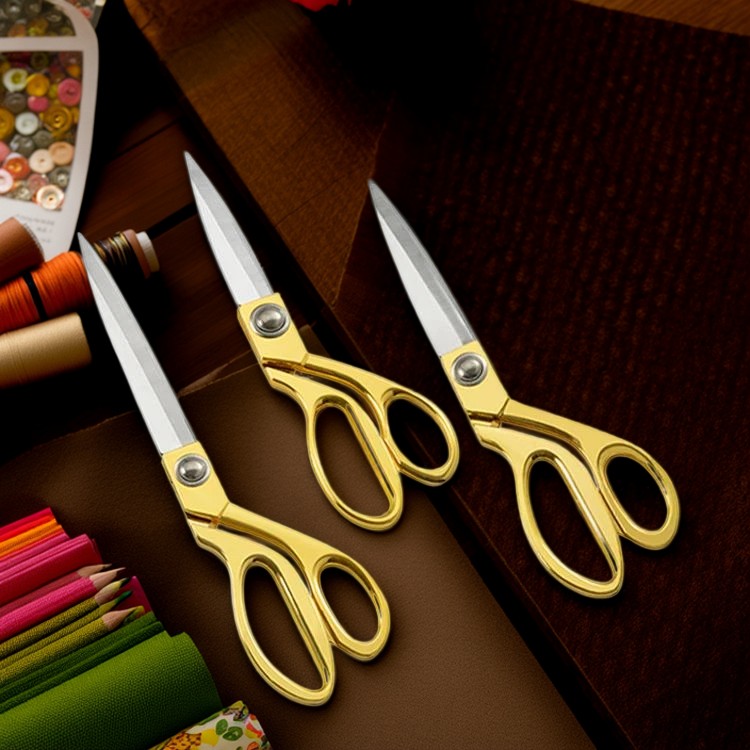
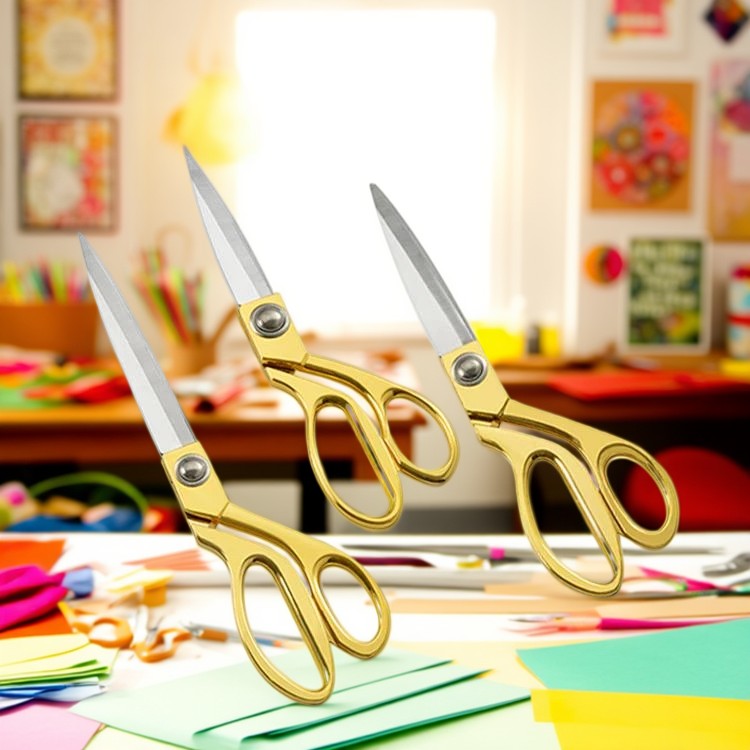
Scissors are simple tools, but the right pair can make cutting fabric, paper, thread, patterns, and craft materials more controlled and repeatable. Zinc alloy scissors are often chosen for their solid handle feel, decorative finish options, and balanced appearance on a sewing table or creative workstation. The original Golden Precision Shears concept highlights a gold-toned finish, zinc alloy handles, stainless steel blades, and three size options for different cutting tasks.
This guide focuses on practical selection and use. Whether you are a tailor, hobby sewer, designer, paper artist, or workshop buyer, the goal is to match the scissor style to the material, the cutting frequency, and the level of accuracy your work requires.
What Zinc Alloy Scissors Are Best Used For
Zinc alloy is commonly used in handles or decorative components where a firm, shaped grip and metallic appearance are desired. In the source product description, the scissors combine zinc alloy handles with stainless steel blades. That pairing matters: the handle affects grip and balance, while the blade edge determines cutting performance.
For daily work, zinc alloy scissors can be useful for:
- Cutting fabric pieces for sewing and alteration work
- Trimming paper patterns and templates
- Handling craft materials in design studios or classrooms
- Detail cutting when a smaller size is available
- General creative work where appearance and tool feel are both considered
They are not automatically suitable for every heavy-duty material. Before cutting thick cardboard, leather, plastic sheet, wire, or industrial textiles, check the supplier’s recommended use and blade construction. Using scissors beyond their intended material range can dull the edge, loosen the pivot, or damage the alignment.
Key Features to Compare Before Buying
A polished gold finish may attract attention first, but long-term satisfaction depends on more than appearance. Look closely at the blade, pivot, handle comfort, size range, and maintenance needs. If you are buying for a studio, school, sewing room, or resale program, request clear product information rather than relying only on photos.
| Feature | Why It Matters | Questions to Ask |
|---|---|---|
| Blade material | Controls sharpness, edge retention, and cutting smoothness. | Are the blades stainless steel, and what materials are they recommended for? |
| Handle material | Affects weight, grip feel, and durability during repeated use. | Is the handle zinc alloy throughout or a plated component? |
| Size options | Different lengths suit detail work, general cutting, or longer fabric cuts. | What exact sizes are available, and how are they measured? |
| Pivot tension | Good tension supports smooth opening, closing, and blade alignment. | Is the pivot adjustable, and how should it be maintained? |
| Finish | Decorative coatings can affect appearance and care requirements. | How should the gold-toned finish be cleaned and protected? |
| Packaging | Important for gifting, retail display, storage, and bulk handling. | What packaging options are available for individual or wholesale orders? |
Choosing the Right Size for the Task
The original product text notes three size options: small, medium, and large. That range is useful because one pair of scissors rarely does everything equally well. Smaller scissors usually offer better control for trimming threads, cutting curves, or working around tight pattern details. Medium scissors can be a practical general-purpose choice for craft and sewing tasks. Larger scissors help with longer, straighter cuts, especially when cutting fabric panels or wide paper patterns.
If you are selecting scissors for personal use, think about your most common task rather than the most impressive size. A pair that feels too large may strain the hand during detail work. A pair that is too small may require more strokes and create uneven lines on long cuts. For shared workrooms, a mixed size set can reduce misuse because users can pick the tool that fits the job.
Comfort, Balance, and Cutting Control
Comfort is especially important for tailors, sample makers, and crafters who cut for long sessions. The source article describes an ergonomic handle designed for a comfortable grip. In practice, comfort depends on hand size, finger opening, handle edge smoothness, and total scissor weight. A zinc alloy handle may feel more substantial than lightweight plastic, which some users prefer for stability, while others may prefer a lighter tool for extended sessions.
When evaluating scissors in person, open and close them several times before cutting. The movement should feel controlled, not gritty or loose. Then test on the actual materials you plan to use, such as cotton fabric, paper pattern sheets, felt, ribbon, or lightweight craft material. A clean cut should require limited pressure and should not push the material forward or leave ragged edges.
Use and Care Tips for Longer Service Life
Good scissors can lose performance quickly if they are used carelessly. Separate your scissors by material whenever possible. Fabric scissors should not be used on adhesive tape, wire, or rough packaging material. Paper dulls some edges faster than many users expect, so a dedicated paper pair is a smart choice for pattern work.
- Wipe blades after use, especially after cutting linty fabric or coated paper.
- Keep the pivot area free from thread, dust, and craft debris.
- Store scissors closed in a drawer, sleeve, or tool case to protect the edge.
- Avoid dropping them, because impact can affect blade alignment or the handle finish.
- Use only cleaning methods recommended by the supplier for decorative coatings.
- If cutting becomes rough, check whether sharpening or pivot adjustment is appropriate.
For gold-toned or polished finishes, avoid abrasive pads and harsh cleaners unless the supplier confirms they are safe. A soft dry cloth is often the safest first step for routine cleaning.
Buying Guidance for Studios, Retailers, and Bulk Users
If you are sourcing zinc alloy scissors for a sewing studio, craft brand, retail assortment, promotional set, or OEM project, treat the purchase like a tool specification, not only a visual product choice. Ask the supplier for sample units and evaluate them under real cutting conditions. Confirm the exact blade material, handle material, available sizes, finish options, packaging, labeling, replacement policy, and care instructions.
Do not assume minimum order quantity, production lead time, certifications, or compliance documents are available unless the supplier states them. Instead, ask directly: What is the MOQ? Can packaging be customized? Are samples available? What inspection steps are used before shipping? Which markets is the product intended for? Clear answers reduce the risk of receiving scissors that look correct but do not match your use case.
Key Takeaways
- Zinc alloy scissors are valued for solid handle feel, visual finish, and everyday creative use.
- The original product description identifies zinc alloy handles, stainless steel blades, and three sizes.
- Choose size by task: small for detail, medium for general use, large for longer cuts.
- Keep separate scissors for fabric, paper, and rough materials to protect the edge.
- Bulk buyers should request samples, specifications, packaging details, and care guidance.
FAQ
Are zinc alloy scissors good for fabric?
They can be suitable for fabric when paired with well-aligned, sharp blades. The source product describes stainless steel blades and zinc alloy handles. Always check the supplier’s recommended material range and test on the fabrics you use most often.
What is the benefit of a zinc alloy handle?
A zinc alloy handle can provide a firm, shaped grip and a metallic appearance. It may also give the scissors a more substantial hand feel. Comfort still depends on the handle shape, opening size, weight, and user preference.
Should I buy small, medium, or large scissors?
Choose based on the task. Small scissors are better for detail trimming, medium scissors work for general craft and sewing use, and large scissors are helpful for longer cuts. Many sewing rooms benefit from more than one size.
How should I maintain the gold-toned finish?
Use gentle cleaning methods and avoid abrasive tools unless the supplier confirms they are safe. Wipe the scissors after use and store them closed to reduce scratches and protect the blades.
What should wholesale buyers confirm before ordering?
Ask about exact materials, size measurements, packaging, sample availability, MOQ, lead time, inspection process, and any market-specific documentation. Do not assume these details from product photos alone.
