




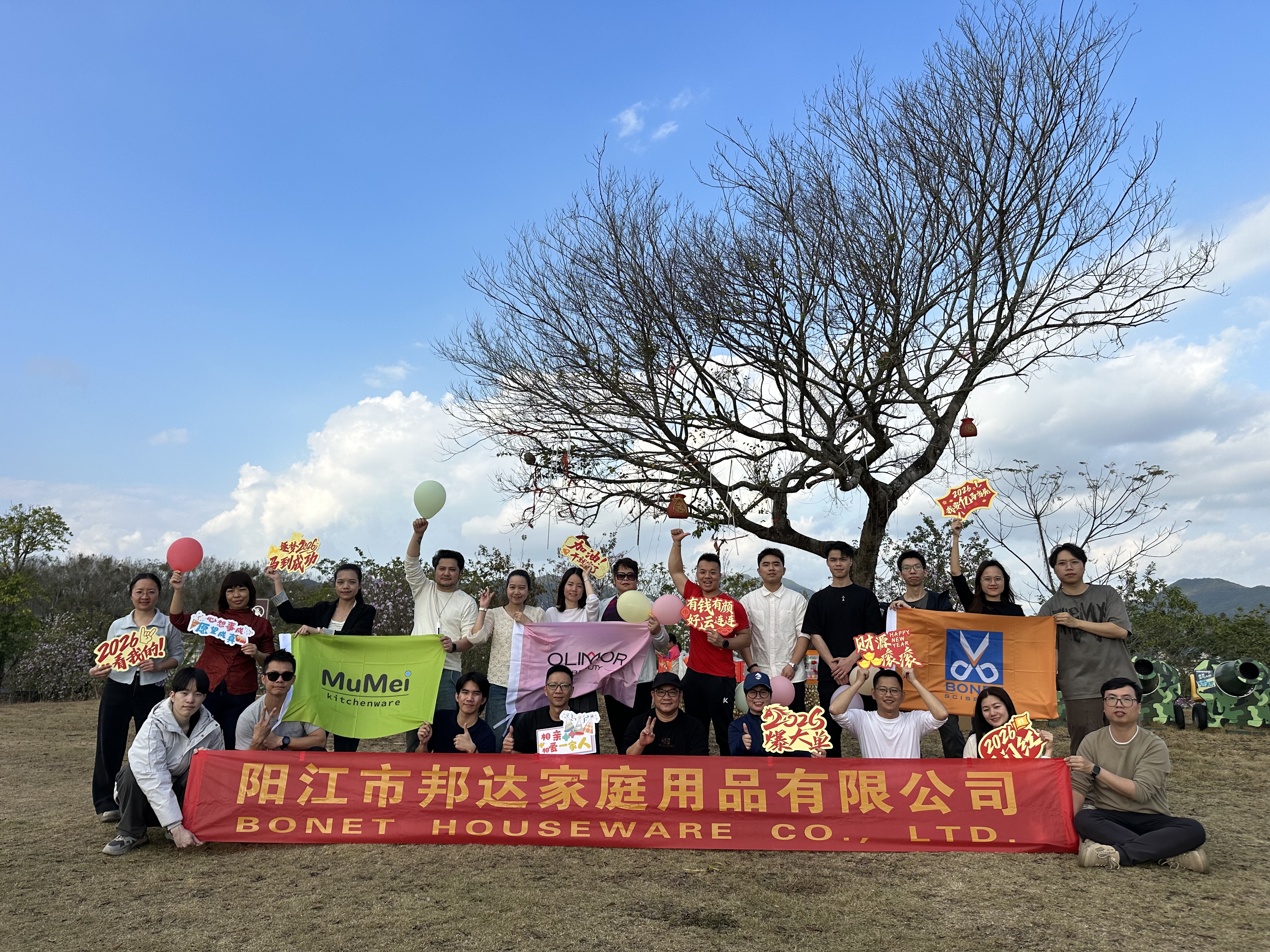
Farewell to Bonet Company Annual Party & Team Building
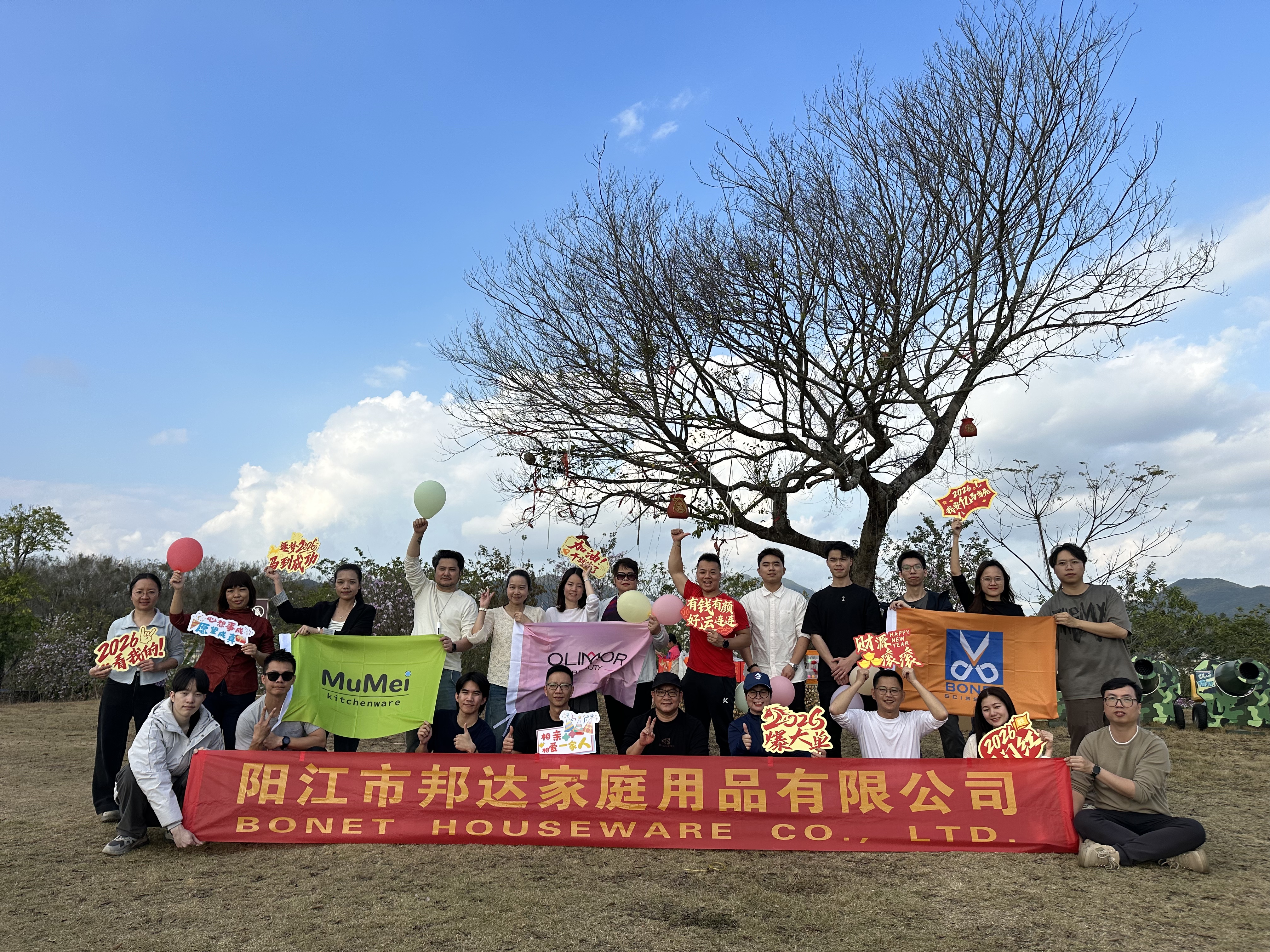
Every company annual party tells a story. For Bonet, this year’s annual party and team building event was not only a break from routine work; it was a moment to recognize the effort behind late nights, repeated revisions, urgent deadlines and shared targets. The original message was simple and sincere: colleagues put aside formal work roles, changed into sportswear, and spent time together as people who have worked hard side by side.
In the daily rhythm of a houseware business, teams often focus on details: product information, customer communication, order coordination, content updates, images, quotations and problem solving. Even a page about Scissor products may involve many hands before it is ready for customers to read. A team building day gives those same people a different setting in which to communicate, laugh and rebuild energy.
Key Takeaways
- A successful annual party should recognize real work, not just offer entertainment.
- Simple games can improve communication when everyone is encouraged to join.
- Shared meals and informal moments help colleagues understand each other beyond job titles.
- The best team building results appear after the event, when people return to work with better trust.
- Photos, stories and short recaps help preserve team culture without exaggeration.
Why an Annual Party Matters for a Working Team
An annual party is often treated as a celebration, but its deeper value is reflection. It gives a company a visible way to say, “Your effort was seen.” This matters because many workplace achievements are not dramatic. They are built through careful replies, corrected files, production follow-ups, customer service details and teamwork that may not receive applause in the moment.
For Bonet’s team, the event turned a year of pressure into shared memory. The change from deadlines to cheers was important. It created space for colleagues to speak more freely, participate in games, and see a lighter side of people who may normally appear serious, fast-moving or focused on performance indicators.
From Work Pressure to Outdoor Energy
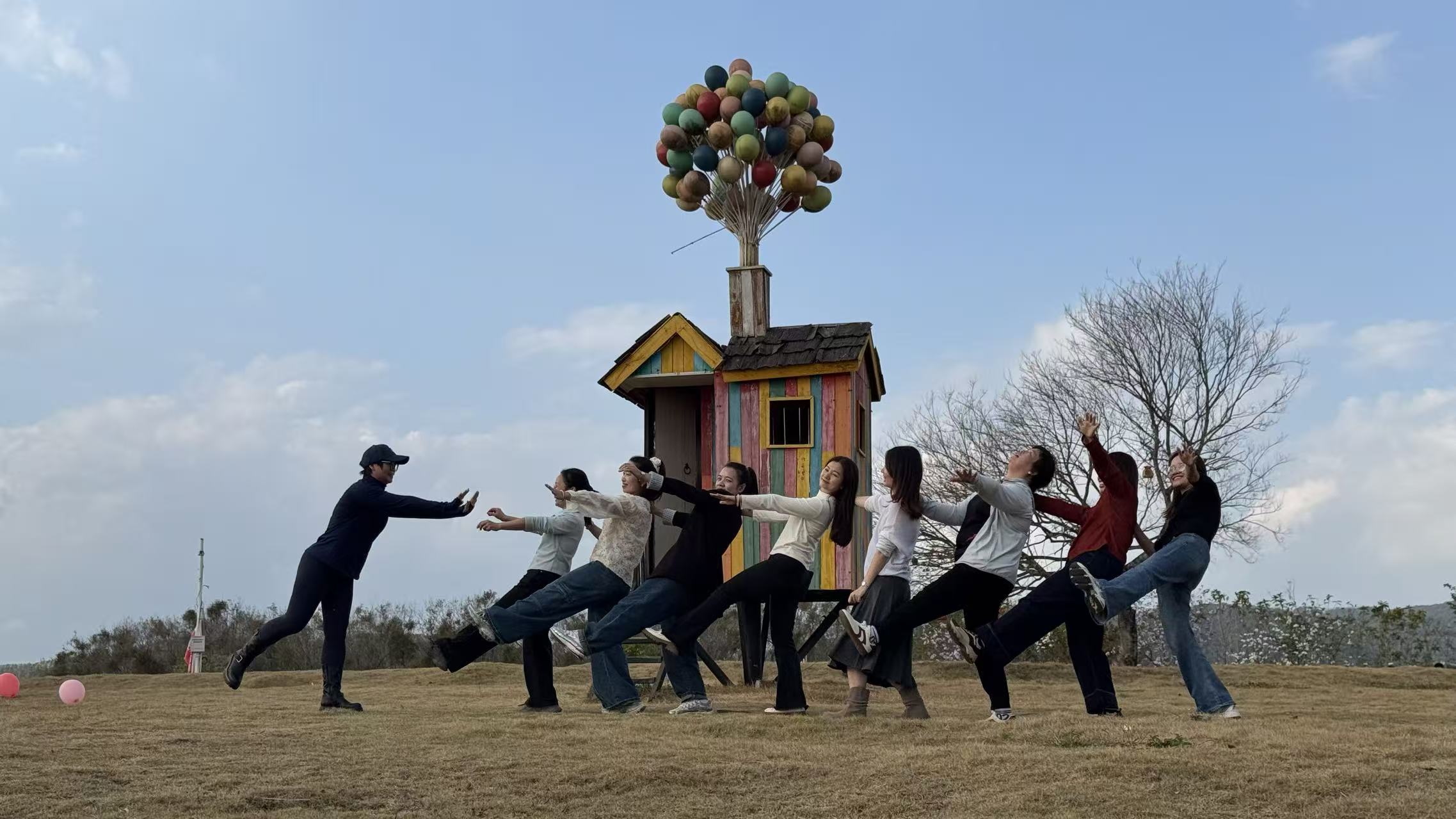
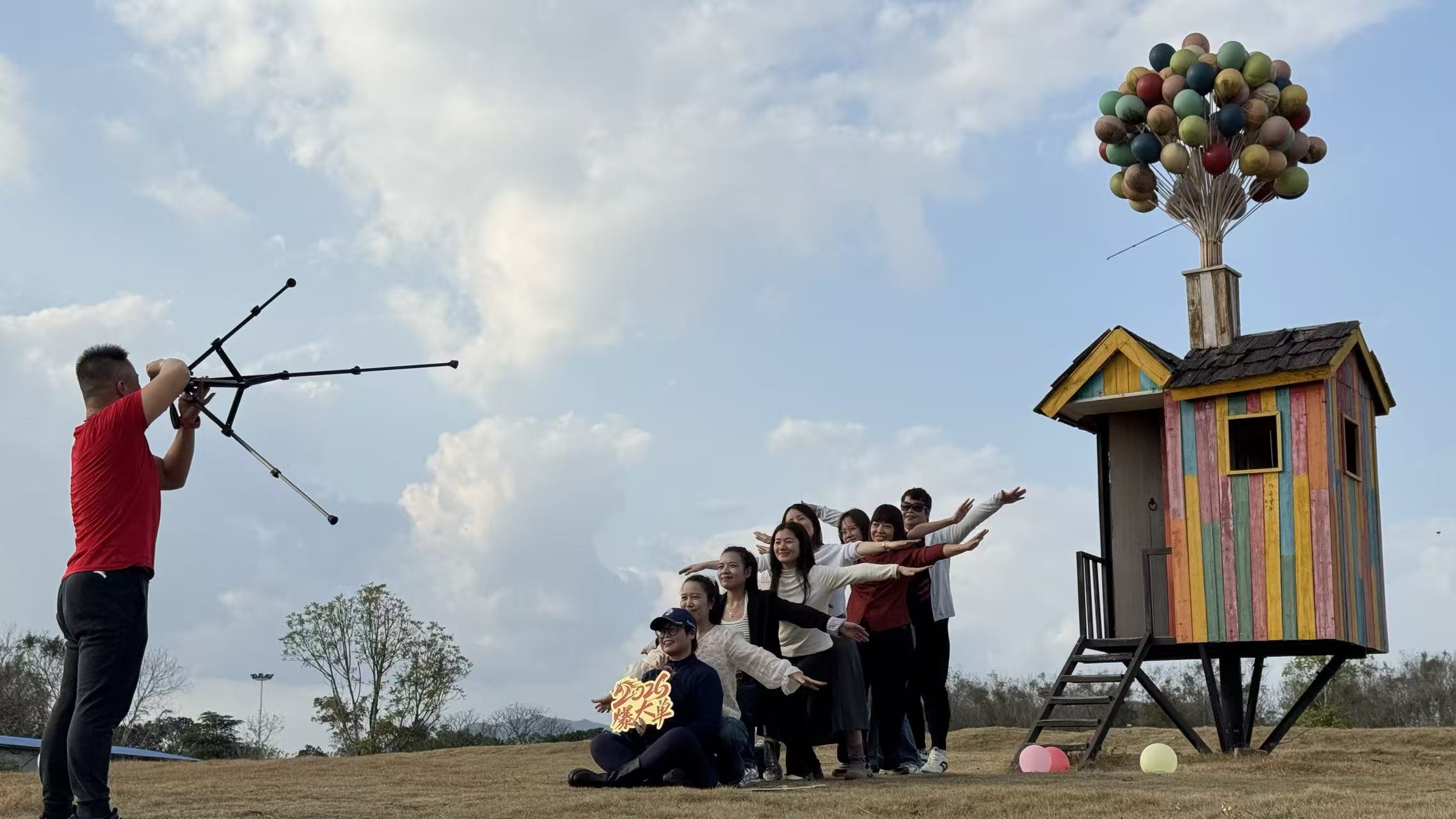
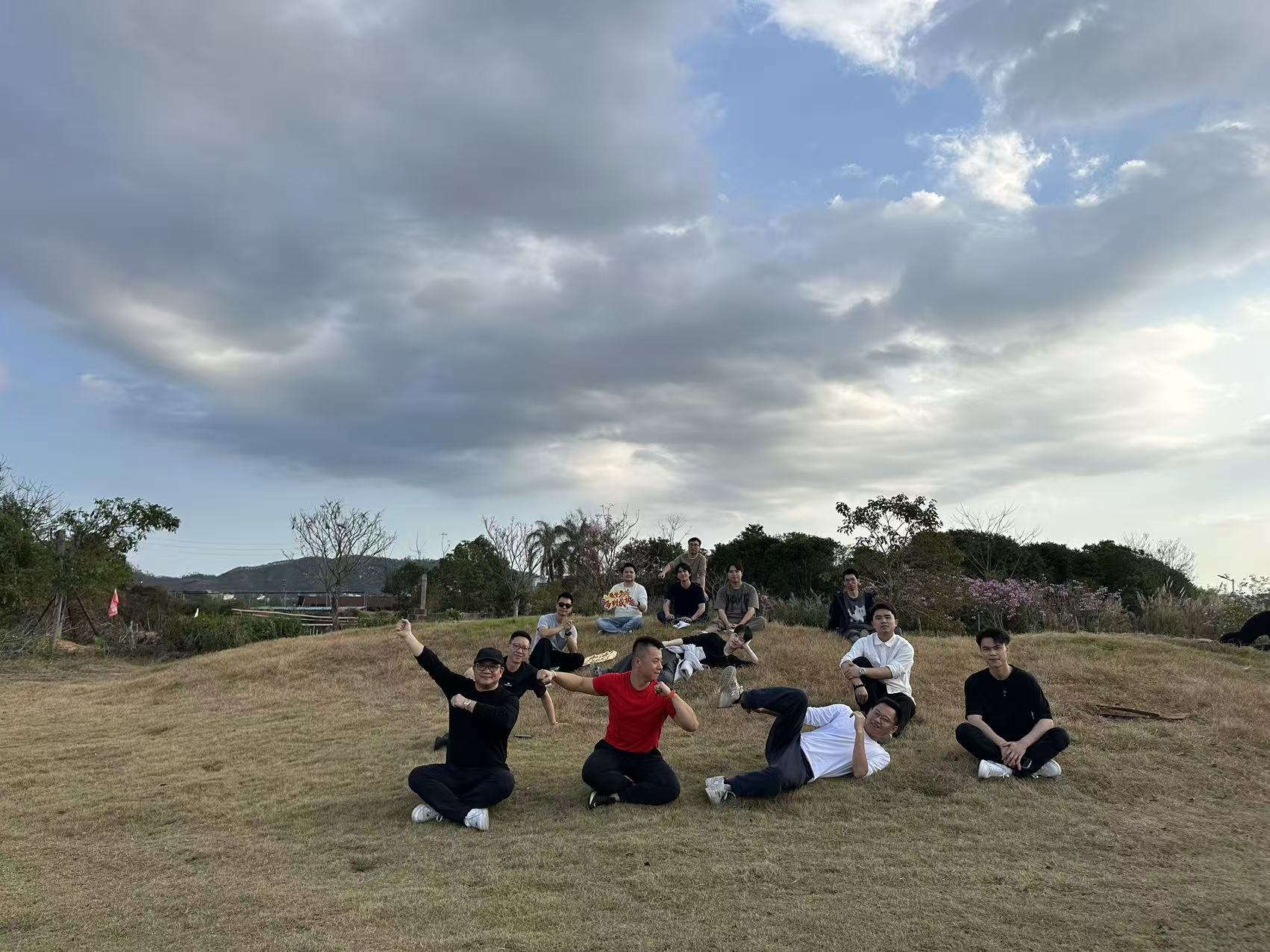
The team building activities described in the original article were deliberately active and playful. Reverse-command games tested listening and reaction speed. “Eight Immortals Crossing the Sea” became a lively challenge where coordination mattered more than perfection. Obstacle races brought mud, movement and laughter. A humorous “cock-laying-egg” game gave everyone permission to be silly for a while.
These activities worked because they lowered the barrier between departments and roles. In a meeting room, people may stay within their familiar responsibilities. In a team game, success depends on quick cooperation, clear instructions and the willingness to support someone who makes a mistake. That is why even messy moments can become useful learning moments.
Team Building Activity Checklist
Companies planning a similar event do not need complicated arrangements. What matters is matching the activity to the team’s size, energy level and safety needs. The table below turns Bonet’s experience into a practical planning checklist.
| Activity Type | What It Builds | Planning Tip |
|---|---|---|
| Reverse-command games | Listening, focus and quick response | Keep instructions short so everyone can join without confusion. |
| Obstacle races | Mutual support and persistence | Check the ground, footwear and physical difficulty before starting. |
| Group challenge games | Coordination across small teams | Mix departments so people work with less familiar colleagues. |
| Humorous party games | Relaxation and shared laughter | Make participation friendly, never embarrassing or forced. |
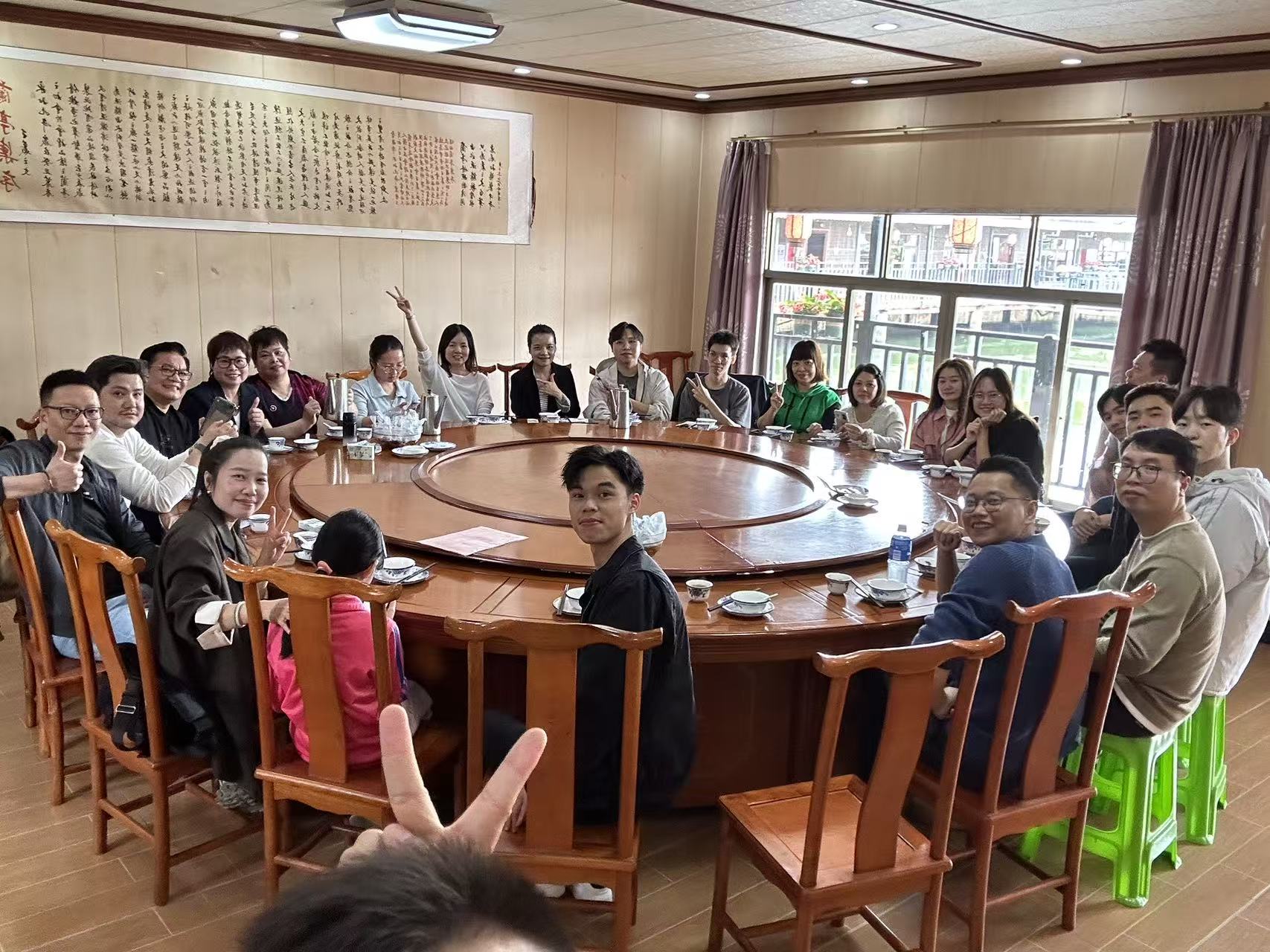
| Round-table dinner | Belonging and informal communication | Leave enough time for conversation, not only speeches or performances. |
What the Funniest Moments Teach
One of the most memorable parts of the original recap was the contrast between professional workplace behavior and playful event behavior. A normally serious, data-driven and quick-reply leader became part of a funny game, trying earnestly and making everyone laugh. Moments like this are more than entertainment. They remind a team that professional respect and personal warmth can exist together.
When leaders participate with humility, they make the event safer for everyone else. Colleagues are more willing to try, fail, cheer and laugh when they see that no one is above the activity. This is especially important in companies where daily work can be detail-heavy and time-sensitive.
Dinner, Karaoke and the Human Side of Work
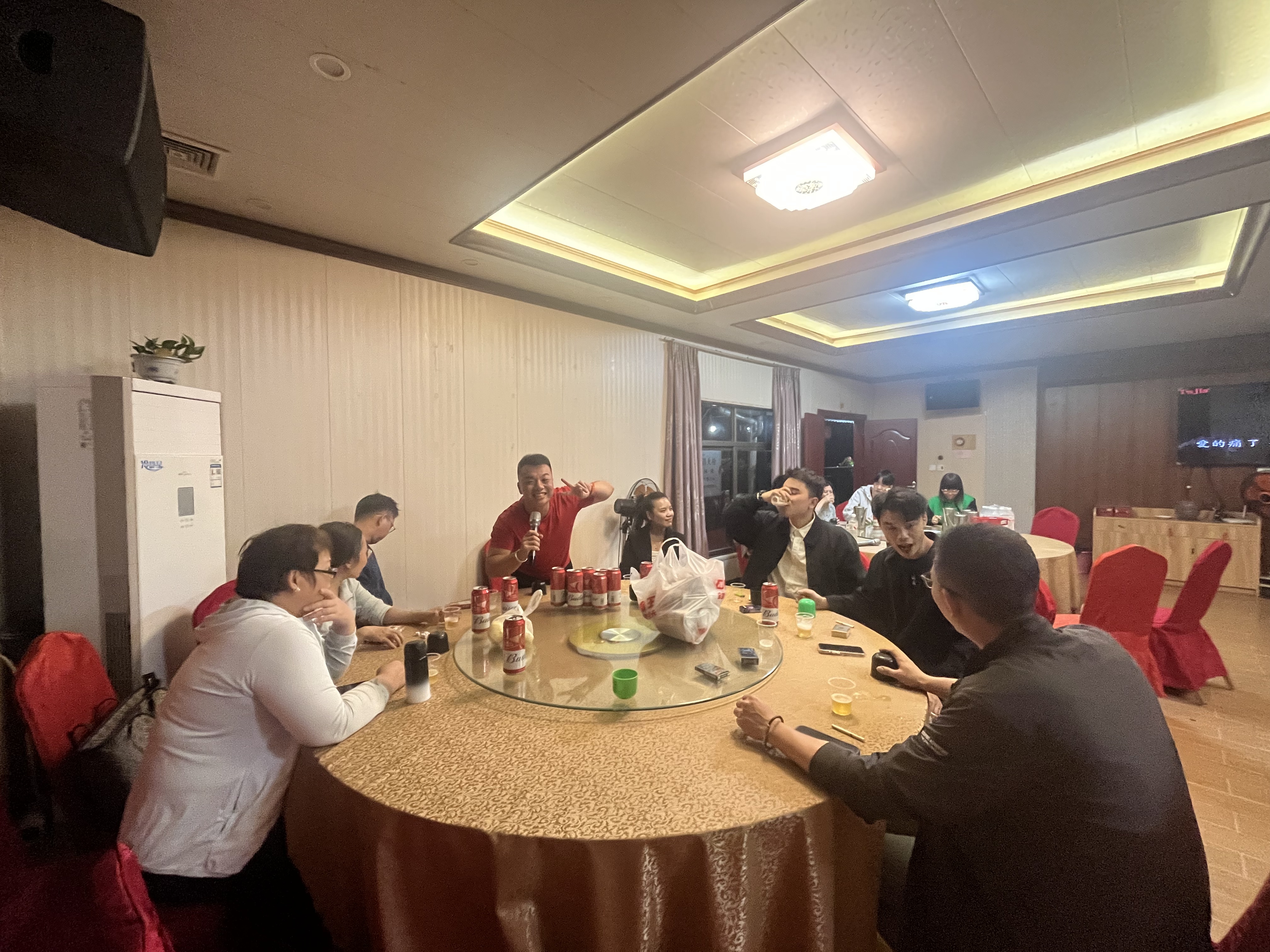
After physical games, the heartwarming moments came at the table and during karaoke. Round-table meals, toasts, clinking glasses and off-key singing may sound ordinary, but they often become the memories people talk about later. Someone forgets the lyrics, someone sings confidently, and everyone laughs together. In those moments, job titles become less important than connection.
For a company team, this kind of informal time can improve future cooperation. A person who has shared a meal or laughed during a song may be easier to approach when a project needs urgent help. Team building does not remove work pressure, but it can make communication smoother when pressure returns.
How to Bring Team Building Energy Back to Work
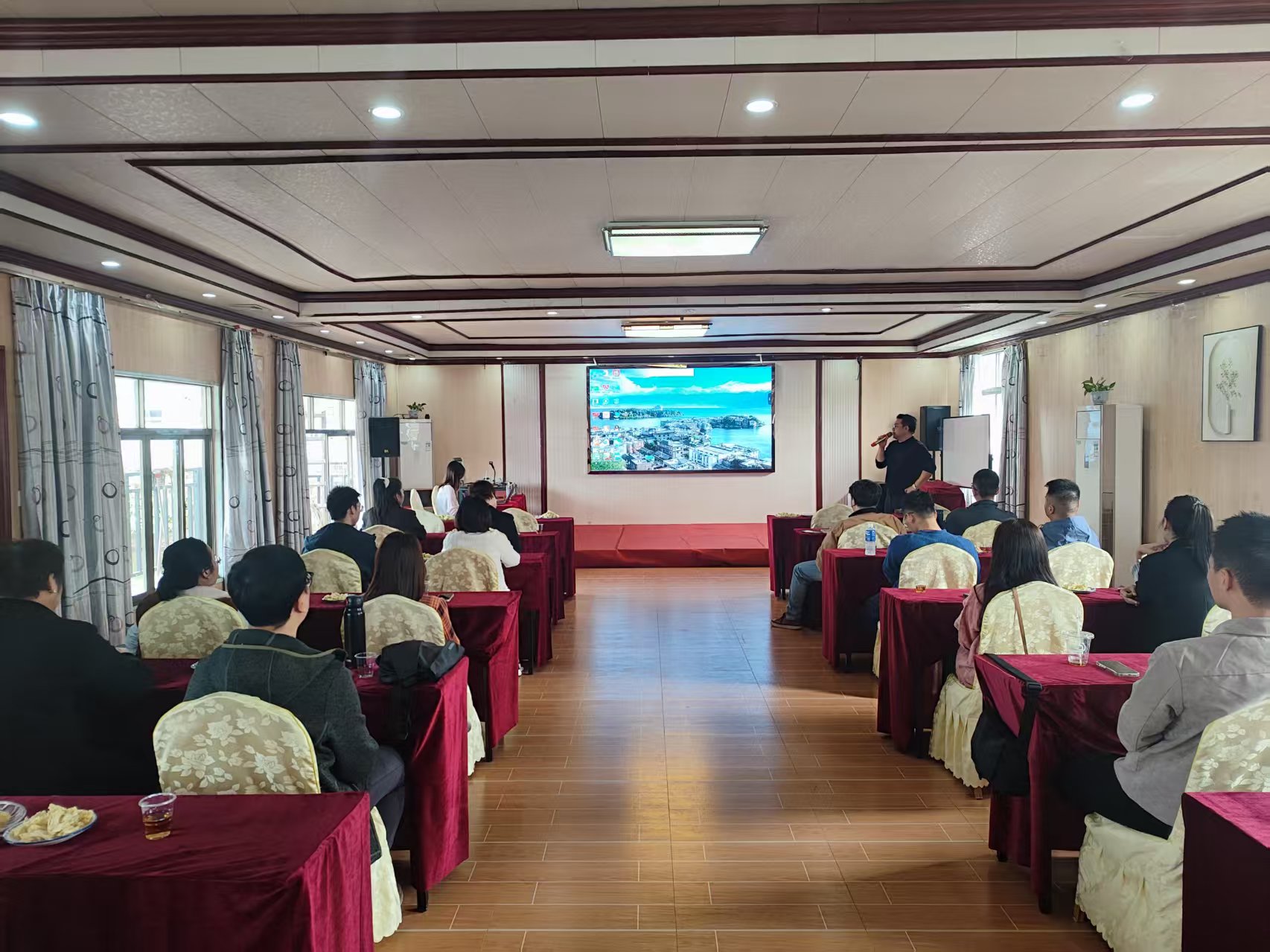
The final message of Bonet’s event was that the laughter and group hugs were not an escape from work. They were fuel for becoming better versions of the team. To make that true, a company should translate the event into small habits after everyone returns to their desks.
- Share a short photo recap so colleagues can revisit the positive moments.
- Thank organizers and participants, including people who helped behind the scenes.
- Use the event’s team spirit in practical work discussions, especially when solving cross-department problems.
- Ask for feedback on which activities felt meaningful and which should be improved next time.
- Keep the tone respectful: celebrate people without turning private moments into pressure or performance.
When followed by better communication, an annual party becomes more than a one-day celebration. It becomes part of company culture.
Practical FAQ
What is the purpose of a company annual party?
Its purpose is to recognize the year’s work, strengthen relationships and give employees a shared memory outside routine tasks. Entertainment is helpful, but appreciation should remain central.
How many team building games should an event include?
For most teams, three to five well-planned activities are better than a crowded schedule. Allow time for explanation, rest, photos and natural conversation.
How can organizers make activities comfortable for everyone?
Choose games with different levels of physical effort, explain rules clearly and avoid activities that embarrass individuals. Participation should feel welcoming, not forced.
Should leaders join team building games?
Yes, if they join with a relaxed and respectful attitude. Leader participation can reduce distance and show that teamwork applies to everyone.
What should a company do after the event?
Publish a concise recap, thank the team and use the positive momentum to improve daily collaboration. The goal is not only to remember the party, but to work better together afterward.
Farewell to this year’s Bonet Company Annual Party & Team Building. The event may be over, but the spirit behind it continues: work hard, support one another, laugh when possible and bring renewed energy back to every task ahead.
