




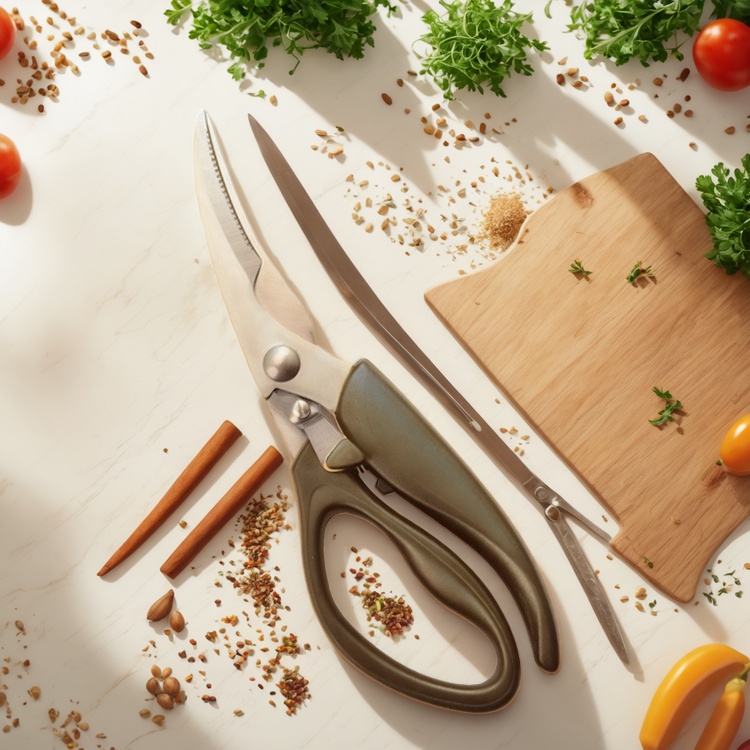
OEM Poultry Shears: Practical Sourcing Guide for Kitchen Tool Buyers
OEM poultry shears are a focused category within kitchen cutting tools, used by home cooks, restaurants, meal-prep operators, and retail kitchenware buyers. Unlike ordinary scissors, poultry shears are selected for tasks such as cutting chicken joints, trimming skin, sectioning cooked or raw poultry, and handling general kitchen preparation. For importers, wholesalers, and private-label brands, the main question is not simply whether the product looks attractive. The better question is whether the shears are suitable for the intended user, retail channel, cleaning method, packaging plan, and quality expectations.
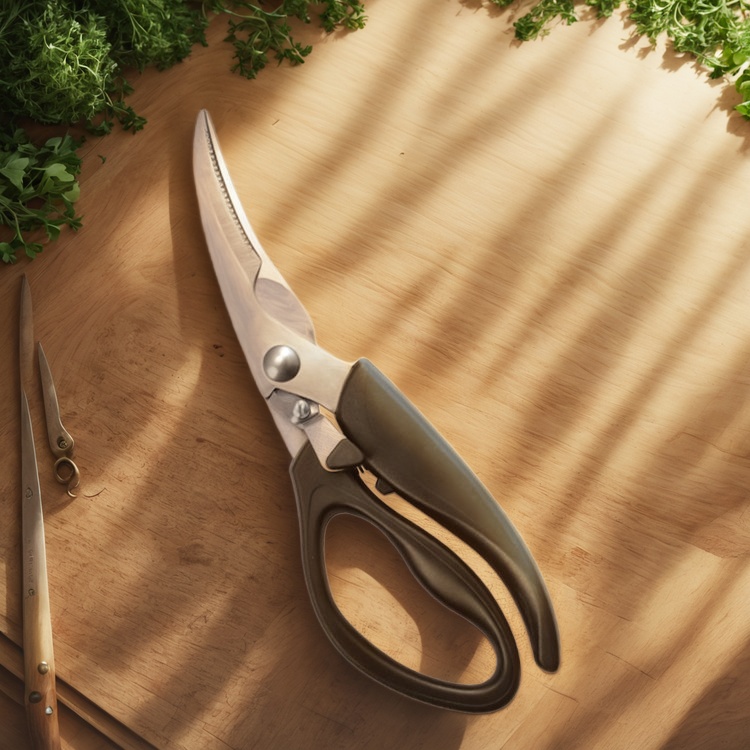
The original product information highlights several useful features: stainless steel blades, micro-serrations on the upper blade, ergonomic black soft-grip handles, and a multi-purpose design that includes a bottle opener and nutcracker. These details provide a starting point for evaluation, but professional buyers should still verify specifications, samples, packaging, and commercial terms directly with the supplier before confirming an OEM order.
What OEM Poultry Shears Are Designed to Do
Poultry shears are built for cutting tasks that require more leverage than a standard pair of kitchen scissors. A well-designed pair should help users cut through poultry skin, cartilage, and small bones with better control. The micro-serrated upper blade mentioned in the source information is especially relevant because serrations can help grip slippery food surfaces and reduce sliding during cutting.
For B2B buyers, this use case matters because it affects how the product should be positioned. A supermarket retail pack may emphasize everyday food preparation. A restaurant supply listing may focus on control, cleaning, and durability. A private-label kitchenware line may compare handle comfort, finish, and accessory functions such as a bottle opener or nutcracker.
Key Takeaways
- Confirm the exact blade material, handle material, dimensions, and finish before placing an OEM order.
- Request samples and test them on realistic poultry preparation tasks, not only on paper or packaging.
- Micro-serrated blades can improve grip, but buyers should check sharpness, alignment, and cutting feel.
- Multi-purpose features such as a bottle opener and nutcracker can add retail appeal when clearly presented.
- A strong supplier evaluation should include quality control, packaging options, labeling, lead time, and after-sales handling.
Product Features to Evaluate Before Ordering
The source article describes stainless steel blades and ergonomic soft-grip handles. These are useful selling points, but buyers should avoid assuming details that have not been confirmed. For example, ask the supplier what stainless steel grade is used, whether the blades are hardened, what surface finish is applied, and how corrosion resistance is checked. If the shears are intended for food-contact markets, ask what documentation the supplier can provide for the target country or region.
Handle design also deserves close review. Soft-grip material can improve comfort, especially when cutting several pieces of poultry. However, buyers should check whether the handle is secure, whether it becomes slippery when wet, and whether the shape works for different hand sizes. If the shears will be sold to both home and professional users, comfort and control should be tested by more than one person.
Comparison Checklist for OEM Buyers
| Evaluation Area | What to Check | Questions to Ask the Supplier |
|---|---|---|
| Blade performance | Sharpness, alignment, micro-serration grip, cutting control | What blade material and hardness are used? Can samples be tested before order approval? |
| Handle comfort | Grip texture, balance, fatigue during repeated use | What is the handle material? Can custom colors or branding be offered? |
| Multi-purpose functions | Bottle opener, nutcracker, general kitchen utility | Are these functions included in the standard model or optional OEM design? |
| Cleaning and maintenance | Food residue removal, hinge area access, corrosion resistance | What cleaning instructions should appear on the packaging or user insert? |
| Packaging and branding | Retail card, box, barcode, manual, logo placement | What OEM packaging files, artwork rules, and approval steps are required? |
| Quality control | Inspection criteria, defect limits, sample approval process | What checks are performed before shipment, and can inspection reports be shared? |
How to Assess a Poultry Shears Manufacturer
Choosing a poultry shears manufacturer is a sourcing decision, not only a product decision. Buyers should review the supplier's experience with kitchen scissors, OEM customization, export packaging, and communication process. If the order is for wholesale distribution, ask how the factory manages consistent appearance across batches, how blade sharpness is checked, and how defective units are handled.
It is also sensible to request a golden sample approval process. This gives both buyer and supplier a shared reference for blade finish, handle color, logo position, packaging layout, and functional expectations. If the supplier offers multiple kitchen scissors factory models, compare them side by side rather than selecting from photos alone.
OEM Customization and Packaging Considerations
OEM poultry shears often need more than a logo. Retail buyers may require hang holes, blister cards, color boxes, barcode labels, multilingual instructions, or warning statements. E-commerce sellers may need packaging that protects the blade tips during shipping. Restaurant supply buyers may prefer simple, durable packaging that keeps unit cost and handling time reasonable.
Before confirming artwork, ask the supplier which packaging formats are available and what information they need from you. Confirm whether the product name, care instructions, country of origin marking, and importer details must appear on the final pack for your market. Do not rely on generic packaging unless it suits your sales channel and compliance responsibilities.
Quality Checks Before Bulk Production
A practical inspection plan should focus on the details users will notice first: cutting smoothness, blade alignment, hinge tightness, handle bonding, surface scratches, and packaging condition. For shears with micro-serrations, check whether the serrations are consistent and whether they grip poultry skin without tearing excessively. For multi-purpose designs, test the bottle opener and nutcracker functions if they are part of the marketed feature set.
Buyers should also clarify acceptable tolerances. Small differences in handle color or packaging print may be acceptable in some wholesale programs but not in premium retail. Agree on inspection standards before production rather than after goods are finished.
Use and Care Guidance for End Users
Clear care instructions reduce complaints and help customers get better performance from the product. Even when blades are stainless steel, users should clean and dry shears after use, especially after contact with salt, acidic marinades, or raw poultry juices. The hinge area should be washed carefully because food residue can collect there.
- Rinse the blades soon after cutting poultry to prevent residue from drying.
- Wash with warm water and mild detergent unless the supplier confirms another approved method.
- Dry the shears thoroughly before storage.
- Store away from children and avoid loose storage that can damage blade edges.
- Use the shears for intended kitchen tasks rather than hard non-food materials.
Practical FAQ
What makes poultry shears different from regular kitchen scissors?
Poultry shears are designed to provide more control and leverage for cutting poultry skin, cartilage, and small joints. Features such as micro-serrated blades can help grip slippery food surfaces.
Can OEM poultry shears include private-label branding?
Many OEM programs allow branding, but buyers should confirm logo placement, packaging options, artwork requirements, sample approval steps, and any customization limits with the supplier.
What should buyers ask about stainless steel blades?
Ask for the specific stainless steel grade, blade hardness if available, finish, corrosion-resistance expectations, and recommended care instructions. Do not assume these details without supplier confirmation.
Are multi-purpose poultry shears better for wholesale?
They can be attractive because added functions such as a bottle opener and nutcracker create more retail talking points. However, each function should be tested to ensure it works reliably and does not reduce comfort or safety.
How should samples be tested before placing an order?
Test samples on realistic food preparation tasks, including cutting poultry skin and small joints. Also check grip comfort, blade alignment, cleaning convenience, packaging fit, and consistency between samples.
Final Sourcing Advice
OEM poultry shears can be a practical addition to a kitchenware product line when the buyer evaluates them with clear criteria. Start with confirmed product features, test real samples, define packaging needs, and ask direct questions about quality control. The goal is to source a tool that performs reliably for the intended customer while giving your sales channel accurate, supportable product information.
